Maximize Productivity: Essential Tips for Office Interior Design
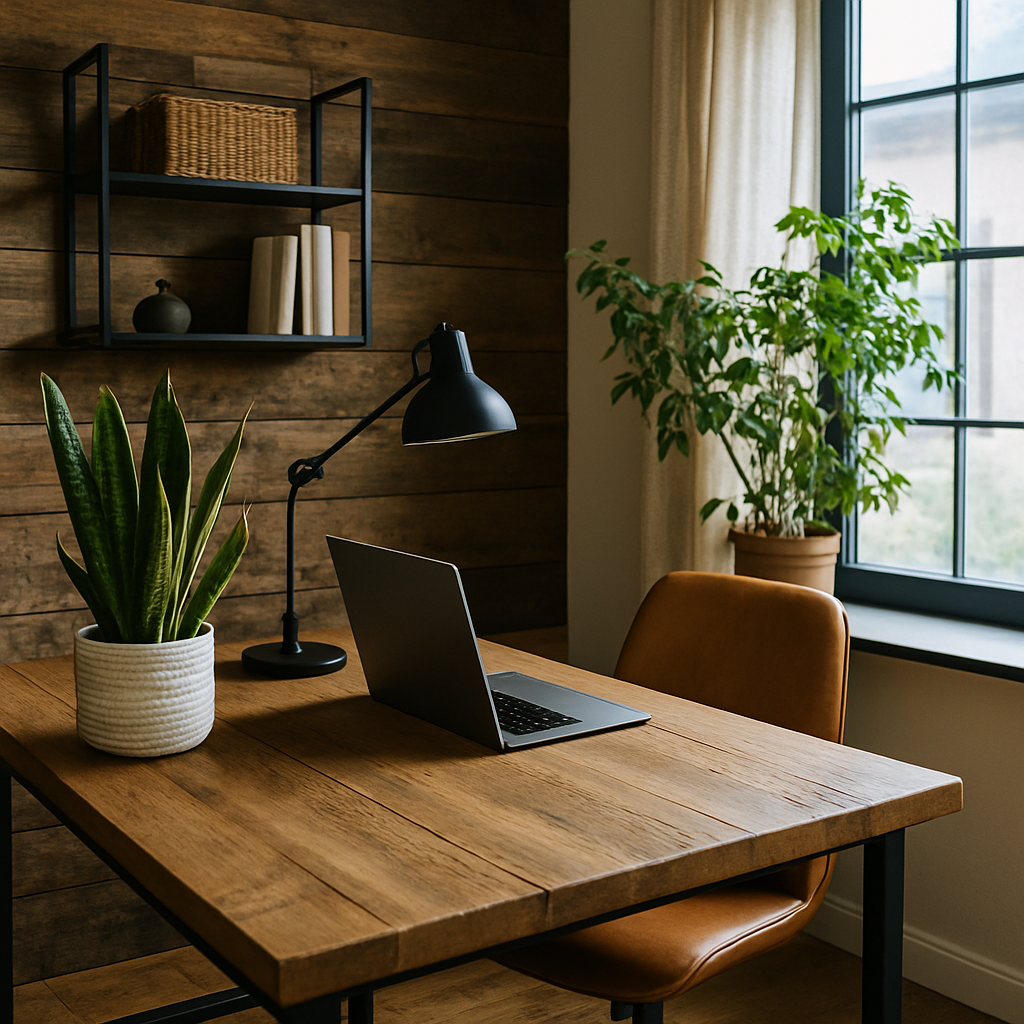
Ever wonder why some offices buzz with energy and focus while others feel like productivity dead zones? It turns out, the design of a workspace can significantly impact productivity. According to a study by the American Society of Interior Designers (ASID), well-designed workplaces can boost employee productivity by up to 20%. In this article, we will explore essential tips for office interior design that can help you create an environment primed for productivity. From foundational concepts to expert-level strategies, we'll guide you through the process of transforming your office space into a hub of efficiency and focus.
Understanding the Basics of Office Interior Design
Office interior design is more than just aesthetic appeal; it encompasses the strategic arrangement of furniture, lighting, and decor to foster productivity. The foundational concept here is ergonomics, which focuses on creating a workspace that supports the physical well-being of its users. Ergonomic chairs and desks, for instance, are crucial in preventing physical strain during long hours of work. According to the National Council for Interior Design Qualification (NCIDQ), an ergonomic setup can reduce workplace injuries and enhance employee comfort.
Lighting is another core element of effective office design. Poor lighting can lead to eye strain and fatigue, significantly diminishing productivity. Experts often recommend a mix of natural light and carefully placed artificial lighting to maintain an optimal work environment. A study by Cornell University found that workers in daylit office environments reported an 84% drop in symptoms of eyestrain, headaches, and blurred vision.
Lastly, the use of color in office interiors can greatly influence mood and productivity. Cool colors like blue and green are known to have calming effects, which can help reduce stress and enhance concentration. In contrast, warm colors such as red and orange can stimulate energy and creativity, making them suitable for brainstorming areas. Understanding these foundational concepts is the first step in crafting a productive office space.
The Impact of Office Design on Productivity
Delving deeper into the topic, it's essential to understand how specific design choices directly affect productivity. For example, open floor plans have become popular in recent years for encouraging collaboration and communication. However, they can also lead to distractions. A survey by the International Interior Design Association (IIDA) found that while 70% of employees appreciate open layouts for team interaction, 60% report decreased focus due to noise and interruptions.
In contrast, cubicle setups offer privacy and reduced noise but might hinder collaboration. To strike a balance, many modern offices opt for a hybrid approach, blending open areas with quiet zones. This design allows employees to choose their work environment based on the task at hand, promoting both focus and teamwork as needed.
Additionally, incorporating biophilic design, which emphasizes natural elements such as plants and water features, has been shown to increase productivity by 15%, according to research from the University of Exeter. Biophilic design not only enhances air quality but also improves employee well-being and creativity, offering a substantial return on investment when integrated thoughtfully into office spaces.
Actionable Strategies for Designing a Productive Office
Ready to transform your office into a productivity powerhouse? Start by evaluating the layout of your space. Consider implementing adjustable furniture, which allows for flexibility in workstation setups. Height-adjustable desks, for example, enable employees to alternate between sitting and standing, promoting better posture and circulation. This adaptability can lead to enhanced focus and comfort over the workday.
Next, incorporate smart technology to streamline operations and improve efficiency. Automated lighting systems, climate control, and even smart desks can be programmed to optimize work environments based on individual preferences. According to a study by the American Institute of Architects (AIA), smart office technology can reduce energy costs by up to 30%, while also increasing productivity by minimizing manual adjustments and distractions.
Don't overlook the importance of acoustic design. Soundproofing materials and strategic placement of noise-absorbing elements can help maintain a quiet workspace. Experienced professionals often note that addressing acoustics can significantly reduce stress and improve concentration, especially in open office environments. As you design, ask yourself: How does this space support the varied tasks that occur here each day?
Incorporating Expert-Level Details into Office Design
To elevate your office design further, delve into details that seasoned designers prioritize. One such detail is the use of sustainable materials, which not only contribute to environmental responsibility but also enhance the quality of indoor air. Materials like reclaimed wood, recycled metals, and low-VOC (Volatile Organic Compounds) paints are becoming increasingly popular in modern offices.
Another expert tip is to integrate quiet luxury elements into your office space. This trend focuses on understated elegance through high-quality materials and subtle, sophisticated design. Think plush fabrics, minimalist decor, and bespoke furniture pieces that provide comfort and style without overwhelming the senses. Such elements can create a serene atmosphere that supports productivity.
Finally, consider utilizing augmented reality (AR) and virtual reality (VR) tools for design visualization. These cutting-edge technologies allow you to experience potential design changes before implementation, ensuring that the final layout meets both aesthetic and functional needs. Platforms like Houzz offer virtual tours that can assist you in making informed design decisions. As you incorporate these expert-level details, keep evaluating: Are these choices truly enhancing the functionality and feel of the space?
Additional Considerations for Office Interior Design
Beyond the core elements and expert strategies, there are additional considerations that can further enhance office productivity. One such consideration is the integration of personalized workspaces. Allowing employees to customize their areas with personal items or adjustable lighting can increase their sense of ownership and comfort, leading to higher productivity levels.
Moreover, providing communal areas for breaks and informal meetings can boost creativity and teamwork. Spaces like lounges or coffee bars encourage spontaneous collaboration and ideation, contributing to a dynamic work culture. According to Houzz's annual survey, well-designed communal spaces are linked to increased job satisfaction and lower turnover rates.
Lastly, never underestimate the power of regular feedback and adaptation. Office design should not be static; it should evolve based on the needs and feedback of those who use it daily. Conducting periodic surveys or feedback sessions can provide insights into what's working and what might need adjustment, ensuring the space remains conducive to productivity and satisfaction.
Concluding Perspectives on Office Design
As we wrap up our exploration of essential office interior design tips, remember that the ultimate goal is to create a space that not only looks good but also functions optimally for its users. By focusing on ergonomic furniture, strategic lighting, and thoughtful layout, you lay the groundwork for a productive environment. Incorporating advanced technology, sustainable materials, and personalized touches can elevate the design to expert levels.
Reflect on your current office setup: What elements are enhancing productivity, and where is there room for improvement? Engaging with these questions can guide you in making impactful design choices that support both individual and organizational goals.
By staying attuned to the evolving needs of your workspace, you can create an office that truly maximizes productivity and enhances employee well-being.
Conclusion: Transform Your Office Today
In summary, designing a productive office involves a careful balance of aesthetics, functionality, and adaptability. From ergonomic furniture and biophilic elements to smart technology and personal touches, each choice plays a crucial role in fostering an environment where productivity can flourish. As you embark on redesigning your office, remember to think critically about how each element supports your team's needs and goals.
Start by browsing portfolios on platforms like Houzz and Instagram to gather inspiration and ideas. Even dedicating just 20 minutes of research can sharpen your eye for what you want in your office space. Ready to take the next step? Engage a certified interior designer to help bring your vision to life, ensuring that every detail aligns with your productivity goals.



Comments
Post a Comment