Maximize Functionality: Innovative Kitchen Interior Design Ideas You Need
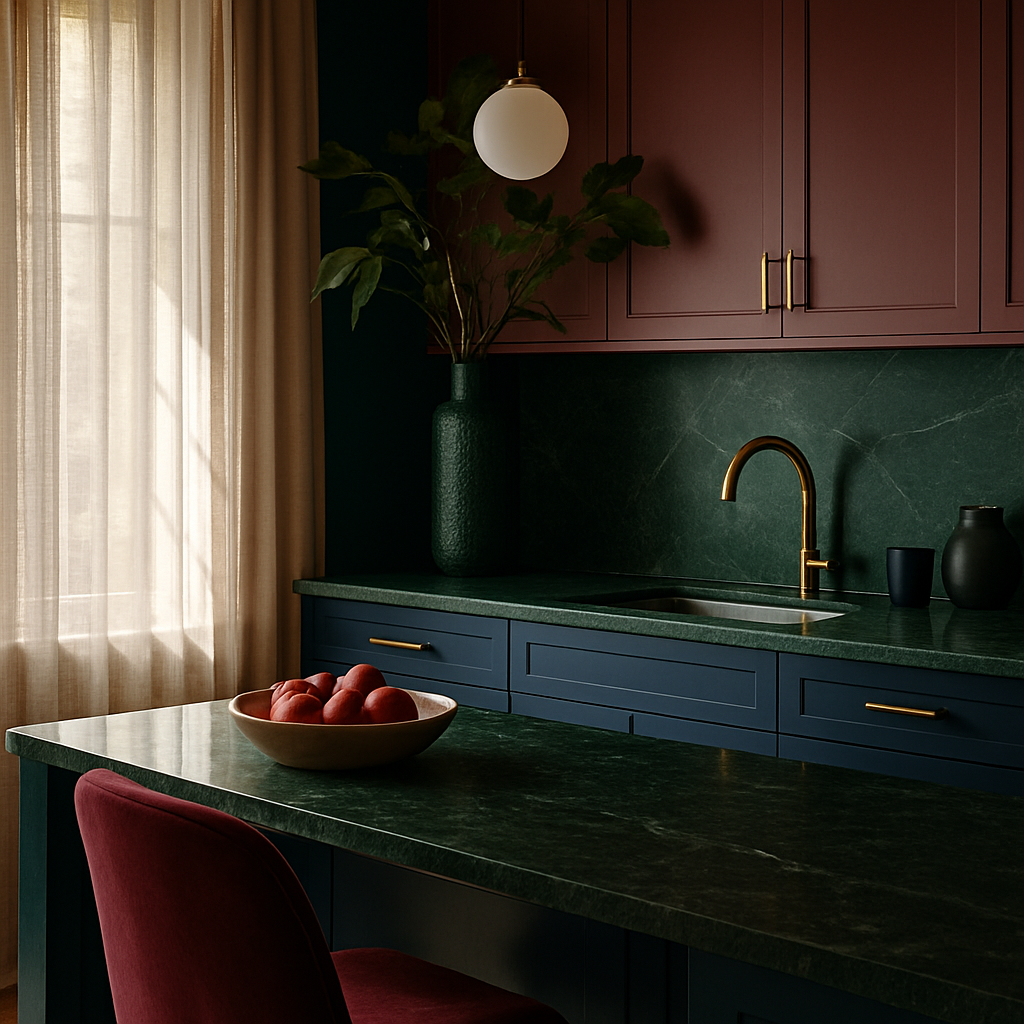
Imagine walking into your kitchen and feeling that everything is exactly where it should be. According to the National Kitchen and Bath Association, 76% of homeowners report high satisfaction levels when their kitchen is both beautiful and functional. This statistic underscores an essential truth about kitchen spaces: they are the heart of the home, and their design can significantly impact your daily life. In this article, we will explore innovative kitchen interior design ideas that not only enhance aesthetics but also maximize functionality. From foundational concepts to expert-level details, we will guide you through actionable strategies and current trends that can elevate your kitchen experience.
Understanding the Foundation: Key Concepts in Functional Kitchen Design
The foundation of any successful kitchen design lies in its layout. A well-considered layout ensures that the kitchen is not only visually appealing but also highly functional. One of the most popular layout concepts is the work triangle, which connects the sink, stove, and refrigerator in a triangular format. This design minimizes unnecessary movement and streamlines cooking tasks. Have you ever found yourself frustrated by a cluttered kitchen workflow? A thoughtfully designed work triangle might just be the solution you need.
Beyond layout, the selection of materials plays a crucial role in kitchen functionality. Durable materials like quartz countertops, which are both stain-resistant and easy to clean, can greatly enhance the kitchen's usability. According to Houzz, quartz has become the preferred choice for 40% of homeowners due to its low maintenance and resilience. Selecting the right materials is not just about aesthetics; it's about creating a space that stands the test of time.
Storage solutions are another foundational element in functional kitchen design. Consider incorporating pull-out shelves, deep drawers, and custom pantry systems to keep your kitchen organized. Experienced professionals often note that maximizing vertical space can dramatically improve storage capacity. As you ponder your kitchen's layout and materials, remember that effective storage solutions are equally essential to a functional kitchen.
These foundational concepts not only set the stage for an efficient kitchen but also prepare you for more advanced design strategies. Next, we'll delve into data-driven insights that can further inform your design decisions.
Data-Driven Insights: Analyzing Kitchen Design Trends
To make informed decisions about your kitchen design, it's crucial to understand current trends backed by data. According to the 2024 Houzz Kitchen Trends Study, 57% of homeowners prioritize smart appliances in their remodels. These high-tech innovations, such as smart refrigerators and automated lighting systems, not only enhance convenience but also improve energy efficiency. Have you considered integrating smart technology into your kitchen to save time and reduce energy bills?
Another significant trend is the growing popularity of open shelving. The same Houzz study found that 45% of homeowners are opting for open shelving to create a more open and airy feel. This design choice allows for easy access to frequently used items and can serve as a stylish display for your favorite dishware. However, it's important to balance open shelving with traditional cabinetry to maintain ample storage.
Additionally, sustainability is a driving force in modern kitchen design. The American Society of Interior Designers (ASID) reports that 65% of consumers are willing to pay more for eco-friendly materials. Options like bamboo flooring and recycled glass countertops not only reduce environmental impact but also add unique texture and color to your kitchen. As you explore design options, consider how these trends can be incorporated to enhance both style and sustainability in your space.
With these insights in mind, let's move on to actionable strategies that can transform your kitchen from ordinary to extraordinary.
Actionable Strategies for Enhancing Kitchen Functionality
To truly maximize your kitchen's potential, it's important to implement strategies that enhance both functionality and style. Start by examining your kitchen's workflow and identifying any bottlenecks. For instance, if you find yourself constantly crossing the room to retrieve utensils, consider relocating them closer to your prep area. Simple changes like these can make a significant difference in your daily routine.
Lighting is another critical component of functional kitchen design. Layered lighting, which includes a mix of ambient, task, and accent lighting, can create a well-lit and inviting space. According to industry experts, under-cabinet lighting is particularly effective for illuminating countertops and reducing shadows. Are your kitchen lighting solutions working for you, or is it time to explore new options?
Finally, don't overlook the power of color in influencing kitchen functionality. Light, neutral colors can make a small kitchen feel larger, while bold accent walls can add personality and energy. Consider using color strategically to delineate different zones within your kitchen, such as using a contrasting backsplash to highlight the cooking area. As you explore color palettes, think about how different shades can impact the overall mood and usability of your space.
With these actionable strategies in place, you're well on your way to creating a kitchen that excels in both form and function. Next, we'll explore expert-level details that can further refine your design.
Expert-Level Details: Elevating Your Kitchen Design
For those seeking to take their kitchen design to the next level, incorporating expert-level details can make all the difference. One such detail is the integration of customized cabinetry. Tailored storage solutions, such as spice racks, appliance garages, and pull-out pantry shelves, can enhance organization and accessibility. The International Interior Design Association (IIDA) emphasizes that bespoke cabinetry not only adds luxury but also maximizes every inch of available space.
Another advanced design element is the use of biophilic design principles, which incorporate natural materials and elements to create a calming environment. Consider adding a living wall or using reclaimed wood to introduce organic textures into your kitchen. These elements can enhance your connection to nature and promote well-being, a concept that is gaining traction in contemporary interior design.
Furthermore, integrating smart technology can elevate your kitchen's functionality. From voice-activated faucets to automated window treatments, these high-tech features offer convenience and efficiency. Industry leaders often highlight the growing role of augmented reality (AR) and virtual reality (VR) tools in design planning, allowing homeowners to visualize changes before implementation. As you plan your kitchen remodel, consider how these innovations can contribute to a more seamless and futuristic space.
Having explored these expert-level details, let's delve into additional depth by examining specific design elements and their impact.
Additional Depth: Examining Design Elements and Impact
When designing a kitchen, it's essential to consider how specific elements influence the overall space. One such element is the selection of appliances. Opt for energy-efficient models that suit your cooking habits and complement your kitchen's style. The American Institute of Architects (AIA) suggests prioritizing appliances with Energy Star ratings to reduce utility costs and environmental impact.
Countertop materials also play a crucial role in kitchen design. While quartz is a popular choice for its durability, other options like butcher block and concrete offer unique aesthetics and functionality. Each material has its pros and cons; for instance, butcher block requires regular maintenance, while concrete can be customized with various finishes and colors. Weighing these factors will help you select the best surface for your culinary needs.
Finally, flooring is a key design element that affects both comfort and style. Popular choices include hardwood, tile, and luxury vinyl planks. Consider the durability, maintenance, and slip resistance of each material, especially if you have young children or pets. Flooring can also be used to create visual continuity between the kitchen and adjoining spaces, enhancing the flow of your home.
These design elements are integral to creating a kitchen that is both functional and visually appealing. As we wrap up this exploration, let's consider the final perspectives on maximizing kitchen functionality.
Final Perspectives on Maximizing Kitchen Functionality
As we've explored throughout this article, maximizing kitchen functionality involves a careful balance of design choices, materials, and technologies. Each decision, from layout and lighting to cabinetry and sustainability, contributes to creating a space that meets your practical needs and aesthetic desires. Have you identified the areas in your kitchen that could benefit from these insights?
Remember, a well-designed kitchen not only enhances your daily life but can also increase your home's value. The commonly cited statistic that well-designed interiors can yield a 5-15% higher resale value reinforces the importance of investing in thoughtful design. As you embark on your kitchen transformation, consider how these strategies can align with your lifestyle and long-term goals.
With these final perspectives in mind, let's summarize the key takeaways and provide a clear call to action to guide your next steps.
Conclusion
In summary, maximizing functionality in your kitchen is about more than just aesthetics; it's about creating a space that enhances your lifestyle. By understanding foundational concepts, leveraging data-driven insights, and incorporating expert-level details, you can transform your kitchen into a hub of efficiency and style. Have you considered which strategies you'll prioritize in your design journey?
Now is the time to take action. Start by browsing designer portfolios on Houzz or Architectural Digest's AD PRO network this week. Even 20 minutes of research will sharpen your eye for what you want. As you explore these resources, remember that a well-designed kitchen is within reach, and the benefits will resonate throughout your home and daily life.



Comments
Post a Comment