Maximize Functionality: Essential Tips for Small Kitchen Interior Design
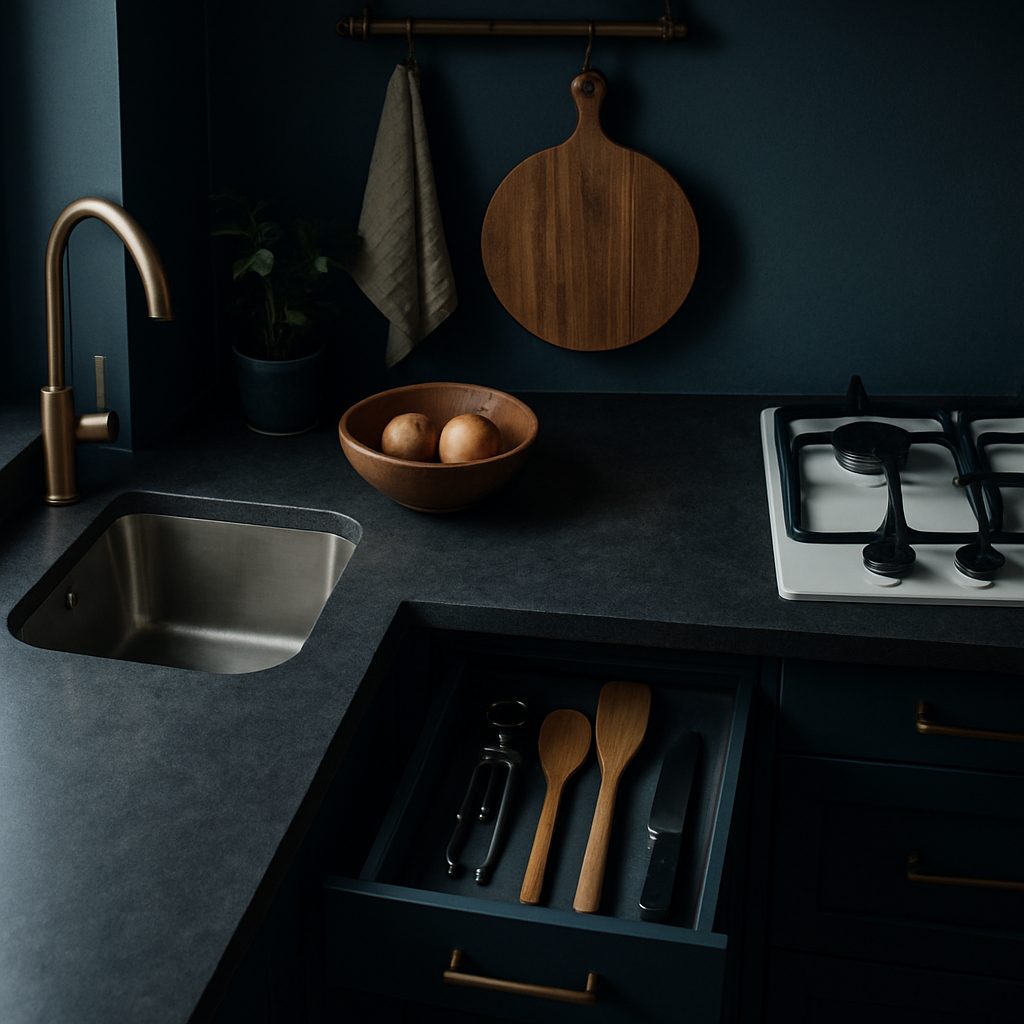
Have you ever felt like your small kitchen is more of a hindrance than a help? You're not alone. According to a survey by Houzz, nearly 60% of homeowners with kitchens under 150 square feet struggle with storage and layout issues. However, small kitchens hold untapped potential when designed with intention. This article will guide you through essential tips to maximize functionality in your small kitchen design, covering foundational concepts, deeper analysis, actionable strategies, expert-level insights, and additional in-depth details to help transform your space into an efficient hub.
Understanding Foundational Concepts in Small Kitchen Design
Maximizing functionality in a small kitchen starts with understanding the space's foundational design principles. One of the most critical aspects is the work triangle, which encompasses the sink, stove, and refrigerator. This concept ensures that these three primary work areas are efficiently spaced to minimize unnecessary movement and streamline cooking processes. The National Kitchen and Bath Association (NKBA) recommends that the sum of the triangle's three sides should be no more than 26 feet, with each leg measuring between 4 and 9 feet.
Layout is another foundational element that can make or break a small kitchen's functionality. Galley kitchens, where two parallel counters create a central corridor, are often highly efficient in small spaces. They allow for easy access to all areas and make excellent use of vertical space. Another popular layout is the L-shaped kitchen, which uses two adjacent walls for an efficient corner design, providing ample counter space and storage.
Finally, lighting plays a crucial role in small kitchen design. Proper illumination enhances visibility and creates an illusion of space. Experienced professionals often note that layered lighting, including ambient, task, and accent lighting, can transform a dim, cramped kitchen into a bright, inviting space. Consider installing under-cabinet lights and pendant fixtures to provide focused task lighting and ambient warmth.
Understanding these foundational concepts sets the stage for deeper analysis of how to optimize small kitchen spaces further.
Analyzing Space Optimization with Data and Examples
To truly maximize functionality, it's essential to analyze how space is used in your kitchen. According to a study by the American Society of Interior Designers (ASID), homeowners often underestimate the potential of vertical storage. In fact, utilizing the full height of walls can increase storage capacity by up to 30%. Installing tall cabinets or open shelves can make a significant difference in a small kitchen.
Another data-backed approach involves the use of multifunctional furniture and appliances. For example, a countertop that doubles as a dining table or a cooktop with integrated ventilation can save on space while maintaining utility. The Houzz survey highlights that 35% of homeowners are now opting for appliances with dual functionalities to make the most of their limited kitchen areas.
Furthermore, the choice of materials and finishes can affect how space is perceived. Light-colored cabinets and reflective surfaces, such as glass tiles or stainless steel, can make a small kitchen appear larger and more open. An understanding of these details leads us to actionable strategies for implementing these insights effectively.
Armed with this analysis, you can now explore actionable strategies to implement these insights in your own kitchen.
Actionable Strategies for Maximizing Kitchen Functionality
When it comes to actionable strategies, decluttering is the first step. Start by assessing which items you use daily and which can be stored elsewhere. This process not only frees up workspace but also helps you identify storage solutions that cater specifically to your needs. Consider drawer dividers and pull-out shelves for organizing utensils and pantry items. These simple additions can drastically improve accessibility and efficiency.
Next, focus on creating a flexible kitchen layout. Invest in modular furniture that can be easily rearranged or expanded, such as a drop-leaf table or nesting stools. These pieces offer versatility without permanently altering the space. Similarly, wall-mounted foldable tables can serve as additional prep surfaces or dining areas when needed.
Finally, technology can be your ally in a small kitchen. Smart home integration, such as automated lighting and climate control, can enhance functionality and comfort. Imagine controlling your kitchen's ambiance with a simple voice command or adjusting the lighting to suit different tasks. As you consider these strategies, remember that expert insights can further refine your approach.
With these strategies in mind, you can delve into expert-level details to further enhance your kitchen's design.
Expert-Level Insights into Small Kitchen Design
Certified interior designers often emphasize the importance of custom solutions tailored to a kitchen's specific dimensions and challenges. For example, built-in appliances can seamlessly integrate into the cabinetry, providing a sleek look while saving space. The National Council for Interior Design Qualification (NCIDQ) credential is a gold standard for professionals who can offer such tailored advice.
Experts also highlight the role of texture and color in creating a harmonious environment. A monochromatic color scheme can unify a small space, while varied textures add depth and interest. For instance, pairing matte cabinets with glossy countertops or using natural wood accents can achieve a balanced aesthetic.
Moreover, experienced designers suggest incorporating biophilic elements, such as small herb gardens or potted plants, to connect the kitchen with nature. This approach not only enhances the aesthetic appeal but also contributes to a healthier indoor environment by improving air quality. These expert insights lay the groundwork for exploring additional depth in small kitchen design.
Having explored expert insights, we now turn to additional depth and detailed considerations for your kitchen.
Additional Depth: Materials, Costs, and Trends
When selecting materials for a small kitchen, durability and ease of maintenance are paramount. Quartz countertops, for example, offer both durability and a wide range of styles, making them a popular choice for small spaces. Similarly, ceramic tiles for flooring provide a durable, easy-to-clean surface that withstands the challenges of a busy kitchen.
Understanding cost implications is also crucial. A typical small kitchen redesign can range from $5,000 to $15,000, depending on the extent of the changes and the materials chosen. Keep in mind that investing in quality materials and professional design can increase your home's resale value by 5-15%, according to industry research.
As for trends, 2026 sees a continued emphasis on sustainability and smart technology. Using reclaimed wood for cabinetry or installing energy-efficient appliances reduces environmental impact while keeping your kitchen on the cutting edge of design. Staying informed about these trends ensures your kitchen remains functional and stylish for years to come.
With these additional depths explored, let's consider final perspectives on maximizing your small kitchen's potential.
Final Perspectives on Transforming Your Small Kitchen
As you've seen, maximizing functionality in a small kitchen involves a blend of strategic planning, expert insights, and practical implementation. The journey begins with understanding your space and extends to selecting the right materials and design elements. Every decision, from layout to lighting, contributes to creating a kitchen that is both efficient and appealing.
Reflect on your kitchen's current setup. Are there areas where clutter accumulates, or do you find yourself constantly adjusting the lighting for different tasks? Addressing these questions can guide your next steps in transforming your kitchen. Remember, even small changes can have a significant impact on functionality and aesthetics.
Conclusion: Take Action and Transform Your Kitchen
In conclusion, maximizing functionality in a small kitchen requires a thoughtful approach that combines foundational concepts, practical strategies, and expert insights. By understanding your space, utilizing technology, and choosing materials wisely, you can create a kitchen that meets your needs and enhances your lifestyle. Don't hesitate to consult with certified professionals or explore online platforms like Houzz and Pinterest for inspiration and guidance.
Start by browsing designer portfolios on Houzz this week-even 20 minutes of research will sharpen your eye for what you want. With these actionable steps and expert insights, you're well on your way to transforming your small kitchen into a highly functional and inviting space.


Comments
Post a Comment