Master the Art of Room Interior Design with These Simple Tips
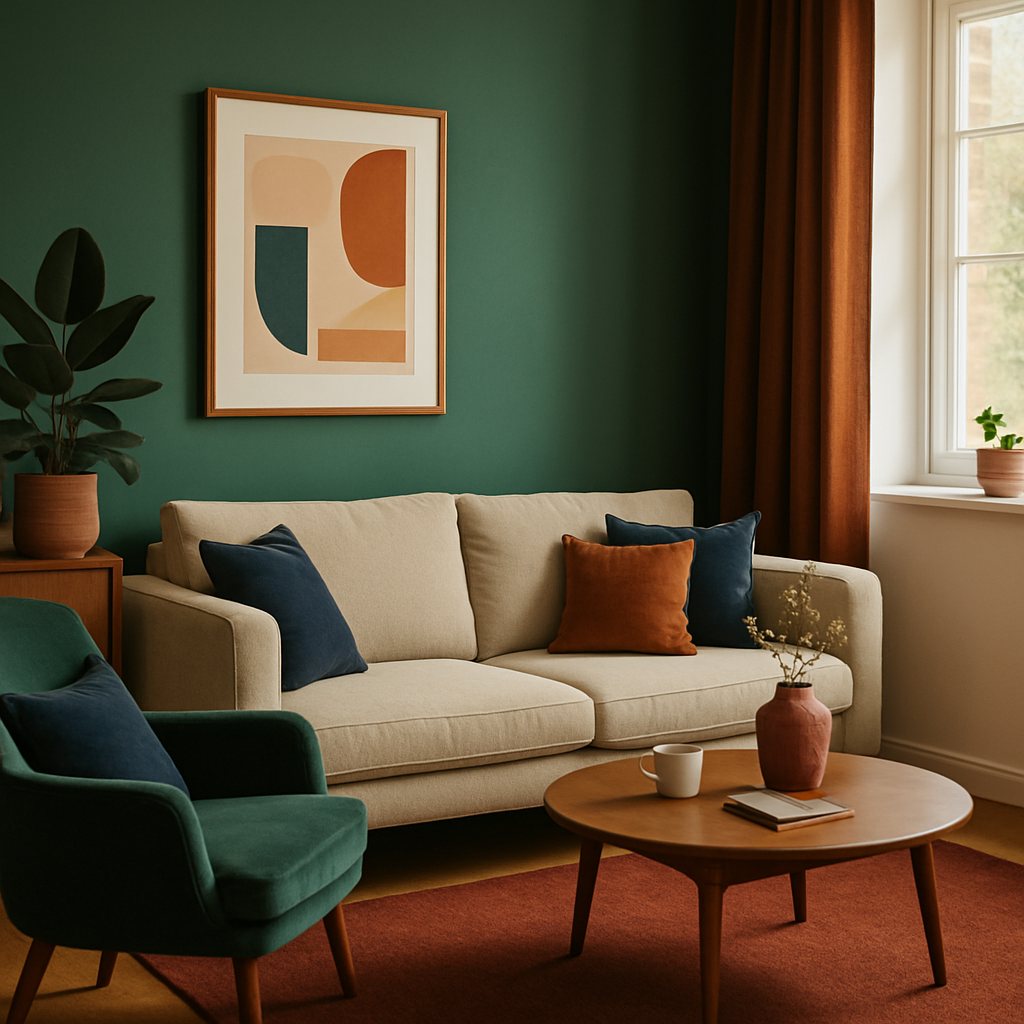
Have you ever walked into a room and felt an immediate sense of harmony? It's the magic of well-executed interior design. According to the National Association of Realtors, homes with professionally designed interiors can achieve a 5-15% higher resale value. But achieving that level of design mastery isn't just for the pros. With some guidance and a few insider tips, you can transform your living space into a beautifully crafted environment that reflects your personal style and meets your functional needs. In this article, we'll explore foundational design concepts, delve into deeper analysis with data, and provide actionable strategies to help you on your journey to mastering room interior design.
Understanding Foundational Concepts of Interior Design
Before diving into the specifics of design elements, it's crucial to understand the basic principles that underpin successful interior design. These foundational concepts include balance, harmony, and proportion. Balance in a room can be achieved through the careful distribution of visual weight, which often involves selecting furniture and decor that complements each other in size and form. Harmony, on the other hand, refers to how well different elements in a room work together to create a cohesive look. This can be achieved by using a consistent color palette or repeating patterns and textures throughout the space.
Proportion is another essential concept, dictating the relationship between objects in a room relative to one another and the space itself. For instance, a large sectional sofa may overwhelm a small living room, while a tiny coffee table might look lost in a spacious lounge. Understanding these principles is key to creating a balanced and inviting space. Experienced professionals often note that these basics are the building blocks upon which more complex design layers are added.
These foundational concepts are not just theoretical-they are applied in everyday design decisions. Whether you're working with a certified interior designer or tackling a DIY project, keeping these principles in mind will guide you in making choices that enhance the overall aesthetic and functionality of your home. This understanding naturally leads into a deeper analysis of how these elements come together in real-world applications.
Analyzing Design Elements with Data and Examples
Interior design is as much a science as it is an art. Industry surveys, such as those conducted by Houzz, reveal that homeowners prioritize both aesthetics and functionality when redesigning their spaces. According to Houzz's 2023 survey data, 78% of homeowners reported that a functional layout was a top priority in their renovation projects. This statistic underscores the importance of not only choosing beautiful pieces but also ensuring they serve a practical purpose within the room.
Consider the use of color as a design element. Color can dramatically affect the mood and perceived size of a room. For example, light colors tend to make a space feel larger and more open, while darker shades can create a cozy, intimate atmosphere. The American Society of Interior Designers (ASID) emphasizes the psychological impact of color, suggesting that the right palette can enhance well-being and productivity.
Lighting is another critical element often backed by data. Research indicates that natural lighting can improve mood and energy levels, making it a highly desirable feature in residential design. Incorporating multiple light sources, such as ambient, task, and accent lighting, can add depth and dimension to a room. These insights emphasize the importance of considering both scientific data and aesthetic preferences when making design decisions, which is crucial for developing effective strategies to master interior design.
Implementing Actionable Strategies for Interior Design Mastery
Now that we've covered the foundational concepts and provided some data-driven insights, let's focus on actionable strategies that you can implement today. One effective approach is to start with a clear vision of what you want to achieve. This involves mapping out how you actually use each room. Ask yourself: Where do you drop your keys? Where do the kids do homework? Where do you unwind at the end of the day? By understanding your daily routines, you can design spaces that support your lifestyle.
Budgeting is another critical component of any design project. The IIDA (International Interior Design Association) advises allocating between $5,000 and $15,000 for a single room redesign. This budget range allows for quality furnishings, decor, and possibly professional assistance. For those with more extensive projects, expect full-home redesigns to range from $50,000 to $150,000 or more. Consider whether a flat fee, hourly rate, or a percentage of the total project cost best suits your financial plan.
Lastly, make use of technology to streamline the design process. Many designers now utilize AR/VR room visualization tools, allowing clients to experience a virtual walkthrough of their redesigned space before any physical changes are made. These tools can help you visualize the final outcome and make informed decisions about furniture placement and decor choices. Implementing these strategies will not only enhance your design process but also ensure that your finished space is both beautiful and functional.
Expert-Level Detail: Certifications and Professional Insights
For those serious about mastering the art of interior design, understanding the role of certifications and professional insights is invaluable. Certified interior designers, who often hold credentials like the NCIDQ (National Council for Interior Design Qualification), bring a wealth of knowledge and expertise to the table. These professionals are well-versed in building codes, safety regulations, and sustainable design practices, ensuring that your project adheres to industry standards.
Moreover, engaging with professional organizations such as ASID or the local AIA (American Institute of Architects) chapter can provide access to a network of experienced designers and architects. These connections are crucial for staying updated on the latest design trends and innovations. For instance, the growing popularity of biophilic design-a trend that incorporates natural materials and indoor-outdoor flow-can be explored through such professional networks.
Experienced professionals often emphasize the importance of continuous learning and adaptation in interior design. This includes staying informed about emerging technologies and sustainable practices. By leveraging these expert insights and resources, you can elevate your design skills and deliver exceptional results in your projects. As we explore additional depth, keep these professional perspectives in mind to enhance your understanding of interior design.
Diving Deeper into Design: Trends and Innovations
Interior design is an ever-evolving field, with new trends and innovations constantly emerging. One of the most significant trends in recent years is the concept of quiet luxury, which emphasizes understated elegance through high-quality materials and craftsmanship. This trend moves away from flashy displays and focuses on creating serene, sophisticated spaces that exude timeless appeal.
Another notable trend is the integration of smart home technology into interior design. Automated lighting, climate control, and window treatments are not only convenient but can also contribute to energy efficiency and overall home sustainability. These innovations are reshaping how we interact with our living environments, offering both practical and aesthetic benefits.
Finally, the rise of sustainable and reclaimed materials in design reflects a growing awareness of environmental impact. From reclaimed wood floors to recycled glass countertops, these eco-friendly options are gaining traction among designers and homeowners alike. Understanding and incorporating these trends can help you create spaces that are both stylish and environmentally responsible. With these insights, let's explore some final perspectives to round out our understanding of room interior design.
Final Perspectives on Mastering Interior Design
As you embark on your interior design journey, remember that the process is as important as the result. Design is not just about aesthetics; it's about creating a space that enhances your quality of life. Whether you're working with a professional designer or taking on a DIY project, the key is to stay true to your personal style while considering functionality and usability.
It's also important to be patient and flexible. Design projects can take time, and unexpected challenges may arise. However, with careful planning and a clear vision, you can navigate these obstacles and achieve a space that truly reflects your personality and meets your needs. Are you ready to start transforming your home?
In the end, mastering the art of room interior design is about continuous learning and experimentation. By staying informed about industry trends, leveraging professional insights, and applying foundational principles, you can create stunning, functional spaces that stand the test of time. As we conclude, let's look at how you can take the next step in your design journey.
Conclusion: Taking the Next Step in Your Design Journey
To master the art of room interior design, you must blend foundational principles, data-driven insights, and actionable strategies. By understanding the basics of balance, harmony, and proportion, as well as leveraging professional insights and emerging trends, you can create spaces that are both beautiful and functional. Remember, design is a journey-not a destination.
Your next step? Start by browsing designer portfolios on platforms like Houzz or Instagram this week. Even 20 minutes of research will sharpen your eye for what you want in your space. As you explore, take note of elements that resonate with you and consider how they might fit into your own home. With each step, you'll gain confidence and skill, bringing you closer to achieving your interior design goals.



Comments
Post a Comment