Interior Design Trends 2023: What Every Designer Wants You to Know
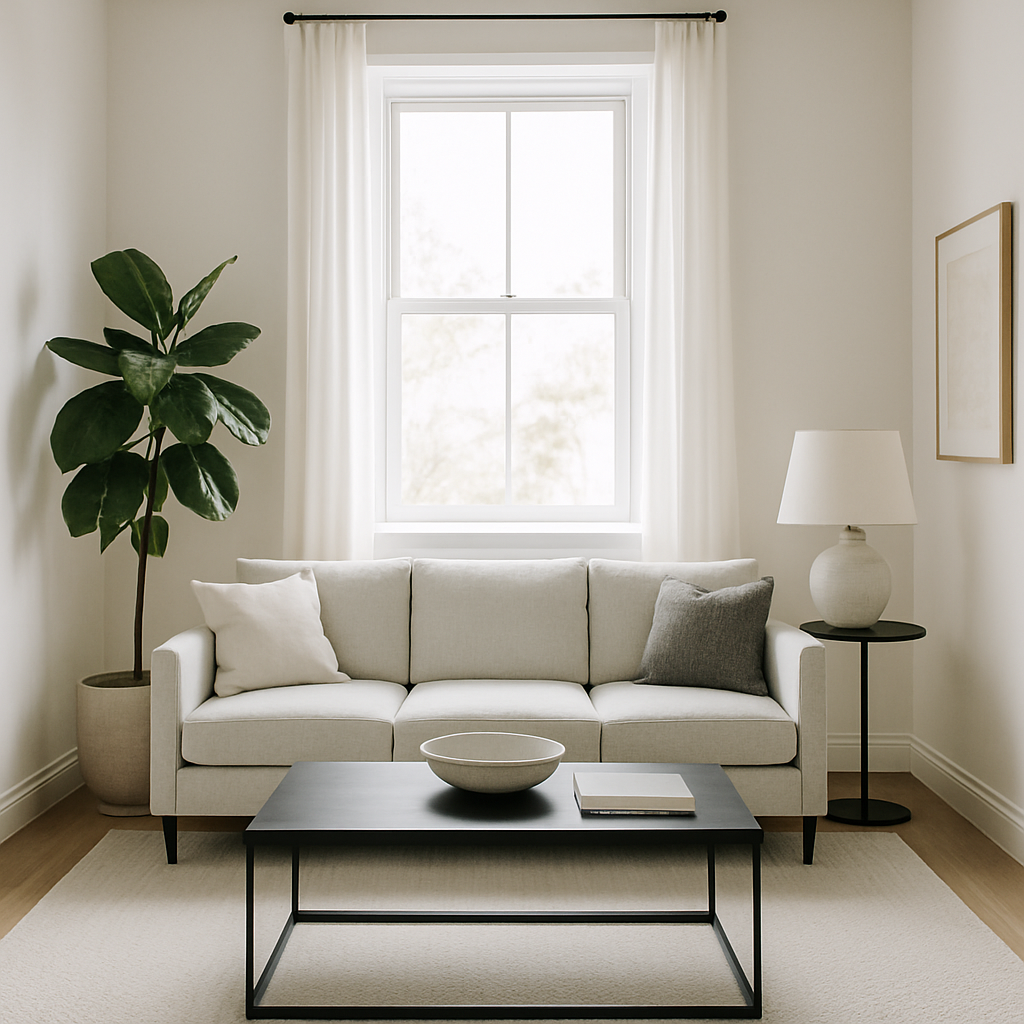
Can a well-designed interior really boost your home's value by up to 15%? According to industry surveys, the answer is a resounding yes. In 2023, interior design is not just about aesthetics; it's a strategic investment. This year, designers are focusing on sustainable materials, smart home technology, and biophilic design to enhance both the beauty and functionality of spaces. In this article, we'll explore the foundational concepts driving these trends, examine the data behind their success, and provide actionable strategies for incorporating them into your own home. We'll also dive into expert insights and additional details that every design enthusiast should know. Whether you're planning a full home redesign or a simple update, understanding these trends will empower you to make informed decisions.
Understanding the Foundations of 2023 Interior Design Trends
The foundation of 2023's interior design trends is rooted in a profound connection to nature and technology. Biophilic design, which incorporates natural elements into interiors, is gaining significant traction. This design philosophy is about more than just adding a few plants to a room; it's about creating environments that evoke the tranquility and vitality of the outdoors. From living walls to natural materials like stone and wood, biophilic design aims to reduce stress and improve well-being.
Alongside biophilic design, smart home integration is becoming a cornerstone of modern interiors. With advancements in technology, homes are now equipped with automated lighting, climate control, and window treatments. These systems not only enhance convenience but also improve energy efficiency. Designers are now using AR/VR room visualization tools that allow clients to experience their space virtually, ensuring every detail aligns with their vision before any physical changes occur.
Another transformative trend is the use of sustainable and reclaimed materials. As environmental consciousness grows, more designers are opting for eco-friendly solutions. From recycled wood to energy-efficient appliances, these choices not only reduce carbon footprints but also create unique, personalized spaces. The integration of these foundational concepts sets the stage for deeper analysis of how these trends are reshaping the industry.
Data-Driven Insights into Design Trends
According to Houzz's annual survey, nearly 40% of homeowners are investing more in sustainability-focused renovations. This trend is reflected in the increased demand for materials like bamboo flooring and recycled metal fixtures. The data shows that homes with sustainable features not only appeal to eco-conscious buyers but also often command higher resale values. This intersection of environmental responsibility and financial incentive is driving a sea-change in how spaces are designed.
Biophilic design, supported by research from the International WELL Building Institute, has been shown to improve mental health and productivity. Studies suggest that access to natural elements can reduce stress levels by up to 20%. As a result, employers are increasingly incorporating these principles into office spaces, while homeowners are creating personal sanctuaries that rejuvenate the spirit.
Smart home technology is another area where data highlights significant growth. According to the American Institute of Architects (AIA), over 50% of new construction projects now include some form of smart technology integration. This shift is not just about convenience; it's about creating homes that adapt to the lifestyles and preferences of their inhabitants. As we delve into actionable strategies, consider how these data-driven trends might align with your design goals.
Actionable Strategies for Incorporating Trends
Ready to bring these trends into your home? Start with a comprehensive assessment of your space. Map out how you use each room daily. Where do you spend the most time? Where do you feel the need for change? This exercise will help you identify areas where biophilic elements or smart technology could enhance your living environment.
For those interested in sustainable design, consider consulting the American Society of Interior Designers (ASID) directory for professionals who specialize in eco-friendly projects. They can provide insights into materials and techniques that align with environmental goals. Look for designers who hold credentials like the NCIDQ (National Council for Interior Design Qualification), which ensure they adhere to industry standards.
Incorporating smart home technology doesn't require a complete overhaul. Start small by updating your lighting system with smart bulbs that can be controlled via smartphone. Gradually integrate more systems, such as automated blinds or smart thermostats. These incremental changes can significantly enhance your home's functionality without overwhelming your budget.
Expert-Level Insights on Current Trends
Experienced professionals often note that the key to successful design is a balance between aesthetics and functionality. While trends like biophilic design and smart home technology are appealing, they must be integrated thoughtfully. Too much of one element can disrupt the harmony of a space. For instance, a room filled with technology can feel cold and impersonal if not balanced with natural materials.
Another expert tip is to consider the long-term implications of design choices. Trends come and go, but the core principles of good design endure. Investing in quality materials and timeless pieces ensures that your space remains stylish and relevant, even as specific trends evolve.
Additionally, designers recommend using platforms like Instagram and Pinterest for inspiration. These visual resources can help you refine your aesthetic preferences and communicate them more effectively with your designer. By staying informed and engaged, you can ensure that your design choices are both trendy and timeless, setting the stage for further exploration of these ideas.
Deep Dive into Additional Design Considerations
Understanding the cost implications of these trends is crucial. Interior design projects can vary widely in cost, with single-room redesigns typically ranging from $5,000 to $15,000, while full-home projects can exceed $150,000. It's important to establish a realistic budget early in the process and explore different fee structures with your designer. Options include flat fees, hourly rates (typically $150-$500/hr), or a percentage of the total project cost (usually 10-25%).
Procurement markups are another consideration. Many designers charge a markup on furniture and fixtures procured on behalf of clients. This markup usually ranges from 10-30%, covering the time and expertise involved in sourcing and managing these items. Understanding these cost structures will help you negotiate effectively and avoid unexpected expenses.
Finally, consider the timeline of your project. Design phases typically include concept development, design presentation, procurement, installation, and styling. Each phase requires careful planning and coordination. By understanding the timeline and its potential challenges, you can better manage expectations and ensure a smooth design process.
Final Perspectives on 2023 Trends
As you explore these 2023 interior design trends, remember that the ultimate goal is to create a space that reflects your personality and meets your practical needs. Whether through the calming influences of biophilic design, the convenience of smart home technology, or the ethical benefits of sustainable materials, each trend offers a unique way to enhance your living environment.
Reflect on your design objectives and consider how these trends can be tailored to fit your lifestyle. Are there areas in your home that feel disconnected or outdated? Could a strategic update improve your daily life? By asking these questions, you can make informed decisions that not only align with current trends but also enrich your personal experience.
Armed with this knowledge, you're ready to engage with design professionals and start transforming your space. In the conclusion, we'll summarize key points and offer a clear call to action to begin your design journey.
Conclusion
In 2023, interior design trends are all about integrating nature, technology, and sustainability into our living spaces. From biophilic design to smart home integration, these trends can significantly enhance both the aesthetic and functional aspects of your home. We've explored the foundations, data insights, and strategies to help you incorporate these trends into your space effectively.
Now is the time to act. Start by browsing portfolios on platforms like Houzz to find inspiration and connect with certified interior designers. Even dedicating 20 minutes a week to research will sharpen your eye for what you want. With this focused approach, you'll be well-equipped to create a space that not only follows current trends but also stands the test of time.



Comments
Post a Comment