How to Transform Your Workspace: Innovative Office Interior Design Tips
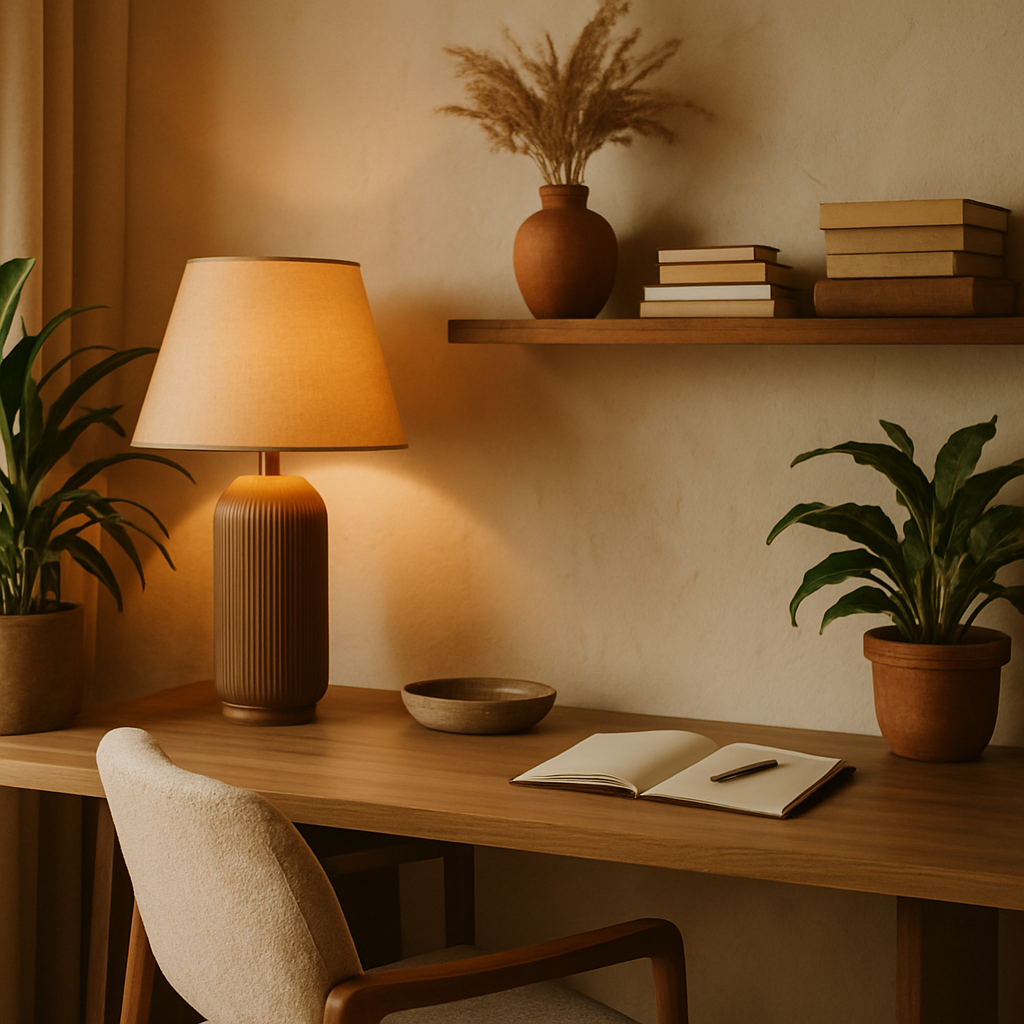
Imagine walking into your office every morning, greeted by an environment that not only reflects your personal style but also boosts your productivity. According to a survey by the American Society of Interior Designers (ASID), well-designed workspaces can increase efficiency by up to 20%. This isn't just a statistic-it's a call to action. In the dynamic world of interior design, transforming a workspace into an innovative hub is a blend of art and science. This article will guide you through foundational concepts, delve into data-backed insights, provide actionable strategies, and offer expert-level details to revamp your office into a place where creativity and efficiency meet.
Foundational Concepts in Office Design
Before diving into the specifics of office interior design, it's crucial to understand the foundational concepts that underpin effective workspace transformation. At the core is the principle of functionality. Your office should not only look aesthetically pleasing but also serve practical purposes. This involves thoughtful space planning, where you map out how you actually use the space, from where you place your desk to the positioning of communal areas. Consider how natural light interacts with your workspace-strategically positioning desks near windows can significantly enhance mood and productivity.
Another key concept is ergonomics. The National Institute for Occupational Safety and Health (NIOSH) highlights that proper ergonomic design can prevent repetitive strain injuries, a common issue in office environments. Investing in adjustable furniture, like desks and chairs that support good posture, can make a world of difference. Ergonomics goes beyond furniture-it encompasses screen height, keyboard placement, and even the positioning of personal items to minimize strain.
Aesthetics play a vital role as well. The color schemes and materials you choose can influence mood and behavior. Popular trends like biophilic design, which integrates natural elements, are gaining traction for their calming effects. When selecting materials, consider sustainable and reclaimed options, which not only contribute to environmental responsibility but also add unique character to your space. Understanding these foundational concepts sets the stage for deeper exploration into the transformative power of office design.
Analyzing the Impact of Design with Data
To truly appreciate the transformative impact of office design, it's helpful to look at the numbers. According to research by the International Interior Design Association (IIDA), 90% of employees believe that office design directly affects their productivity. This statistic underscores the importance of investing in thoughtful design. But what elements contribute most significantly to this perceived productivity boost?
Lighting is a critical factor. A study published by the American Institute of Architects (AIA) found that offices with ample natural lighting reported an increase in employee satisfaction by 40%. Natural light reduces eye strain, improves mood, and can even help regulate circadian rhythms. If natural light is limited, consider using smart LED lighting systems that mimic daylight, a trend that's becoming more prevalent in modern office designs.
Acoustics also play a crucial role. Open-plan offices have become popular, but they can often lead to noise distractions. Industry surveys suggest that 70% of workers find it difficult to concentrate due to office noise. Implementing sound-absorbing materials, such as acoustic panels or carpeting, can mitigate these issues. These data points highlight the tangible benefits of a well-designed workspace and pave the way for actionable strategies to implement these insights in your own office.
Actionable Strategies for Workspace Transformation
Armed with foundational knowledge and data-backed insights, it's time to explore actionable strategies for transforming your workspace. Start with a clear vision-what do you want your office to achieve? Whether it's fostering collaboration or enhancing focus, defining your goals is crucial. Next, consider space zoning. This involves delineating areas for specific activities, such as quiet zones for focused work, collaborative spaces for team meetings, and relaxation areas for breaks.
Furniture selection is another pivotal step. Opt for modular pieces that can adapt to various needs, offering flexibility as your team grows or work processes evolve. Experienced professionals often note the importance of investing in quality over quantity. For example, instead of cluttering your office with numerous inexpensive chairs, select a few high-quality ergonomic ones that offer comfort and durability.
Finally, technology integration can significantly enhance your office's functionality. Smart home features, like automated climate control and lighting systems, allow for a personalized and efficient environment. Additionally, utilize AR/VR room visualization tools to experiment with different layouts and designs before committing. These tools can help you visualize changes and make informed decisions, ensuring every element of your office serves its intended purpose. As you implement these strategies, you'll start to see a transformation that goes beyond aesthetics.
Expert-Level Insights for Advanced Design
For those seeking expert-level insights, consider the role of certified interior designers. Professionals with credentials like the NCIDQ (National Council for Interior Design Qualification) can offer invaluable guidance. They bring a wealth of knowledge, from understanding building codes to selecting materials that align with your brand's ethos. Employing a certified designer can be particularly beneficial for larger projects where precision and compliance are paramount.
Another advanced tip is to incorporate biophilic elements into your design. This doesn't just mean adding a plant or two. Instead, integrate living walls or use natural materials like wood and stone to create a seamless indoor-outdoor flow. This design approach has been shown to reduce stress and improve cognitive function, making it a worthwhile investment for high-pressure work environments.
Don't overlook the importance of branding in your office design. Your workspace should reflect your company's identity, whether through color schemes, logos, or themed decor. This not only boosts employee morale but also creates a cohesive experience for visiting clients and partners. With these expert insights, you're equipped to create a workspace that not only meets functional needs but also embodies your business's vision and values.
Additional Depth: Financial and Practical Considerations
When planning your office transformation, financial considerations are crucial. According to Houzz's annual survey, the average cost for a single room redesign ranges from $5,000 to $15,000, while a full-home office overhaul can exceed $50,000. It's essential to set a realistic budget and explore different fee structures. Designers may charge a flat fee, an hourly rate (typically between $150-$500 per hour), or a percentage of the total project cost, generally around 10-25%.
To manage costs effectively, consider procurement strategies. Some designers offer procurement services, leveraging their industry connections to secure discounts on furniture and materials. However, always weigh the cost-benefit ratio-sometimes, the markup on items can offset the savings. Consider doing a portion of the procurement yourself, especially if you have specific brands or products in mind.
Lastly, ensure you factor in a contingency budget. Unexpected expenses can arise, whether due to structural changes or unforeseen delays. A buffer of 10-15% can provide peace of mind. As you navigate these financial and practical considerations, you'll find that careful planning can lead to a successful and satisfying office transformation.
Final Perspectives on Office Transformation
As you reflect on these innovative office interior design tips, consider the transformative power of your workspace. A well-designed office isn't just about aesthetics-it's a catalyst for productivity, creativity, and employee satisfaction. By integrating foundational concepts, leveraging data, and applying actionable strategies, you can create an environment that supports your professional goals.
Remember, office design is not a one-time project but an evolving process. As your business grows and adapts, so too should your workspace. Stay informed about design trends and continually assess your office's functionality. Are you ready to embark on this journey of transformation? Your future workspace awaits.
Conclusion: Taking the Next Steps
In summary, transforming your workspace through innovative interior design can lead to significant improvements in productivity and employee well-being. By understanding foundational concepts, analyzing data-backed insights, and applying expert strategies, you can create a workspace that is both functional and inspiring. Now is the time to act.
Begin by consulting with certified interior designers or start small by implementing some of the strategies discussed here. Start by browsing portfolios on Houzz this week-even 20 minutes of research will sharpen your eye for what you want. Your office transformation is within reach, and the benefits are waiting to be realized.


Comments
Post a Comment