How to Launch Your Career in Interior Design: Essential Tips and Insights
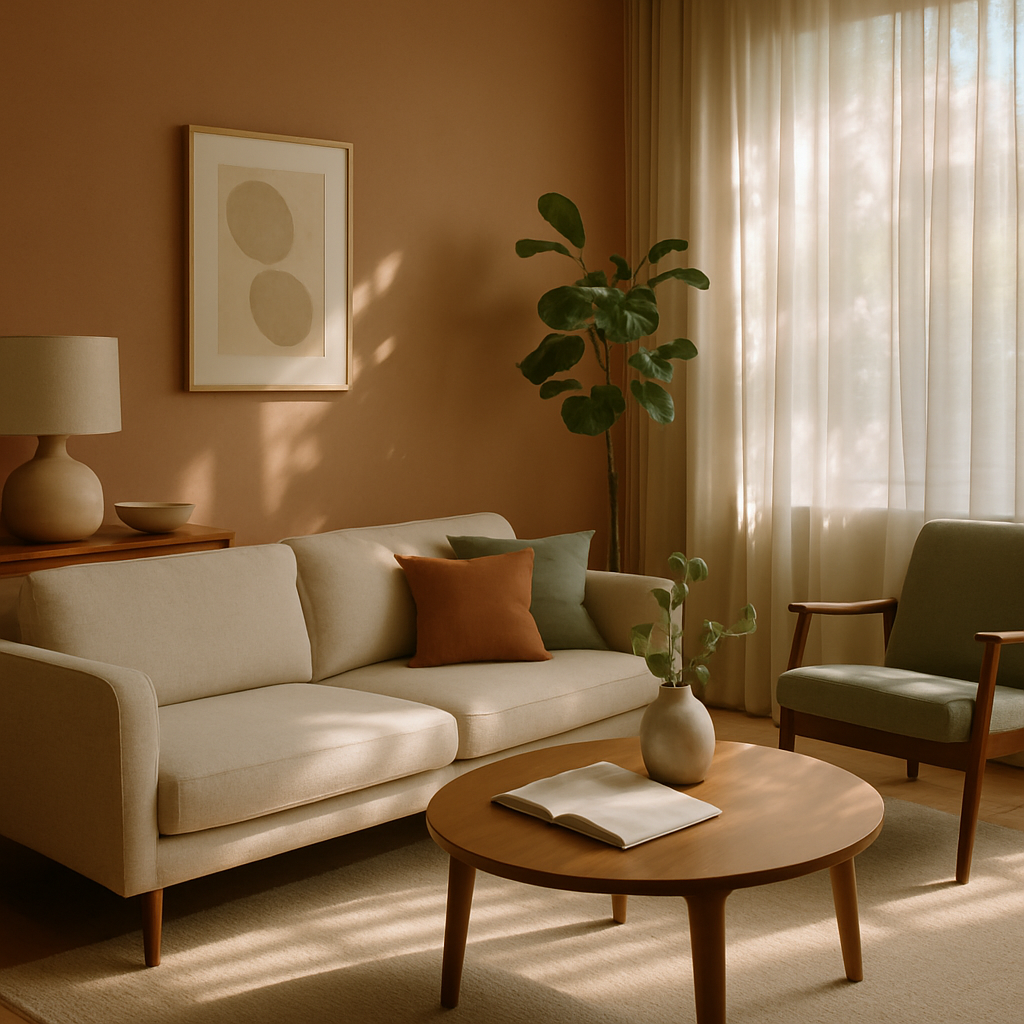
Ever walked into a room and felt an inexplicable sense of peace and harmony? That's the magic of interior design. Transitioning into a career in this creative field can be both thrilling and intimidating. According to the American Society of Interior Designers (ASID), the industry is growing rapidly, with a noticeable shift towards sustainable and smart home designs. For those dreaming of a career in interior design, understanding the foundational skills, industry dynamics, and strategic approaches is crucial. This article will guide you through the essential steps to launch your career successfully. We'll explore foundational concepts, delve into industry data, provide actionable strategies, and share expert-level insights that can make your journey smoother and more rewarding.
Understanding the Foundational Concepts of Interior Design
The first step in launching a career in interior design is to understand the foundational concepts that underpin the field. Interior design is not just about aesthetics; it involves creating functional spaces that enhance the quality of life and culture of the occupants. A well-designed space requires a balance between form and function, which is achieved by understanding the principles of design such as balance, contrast, and harmony.
One of the key differences in the field is between certified interior designers and decorators. Certified designers often hold credentials like the NCIDQ (National Council for Interior Design Qualification) certification, ensuring a high standard of education and professional practice. This distinction not only impacts the services offered but also the legal recognition of one's professional status. Aspiring designers should aim for such certifications to enhance their credibility and marketability.
Furthermore, interior designers must master technical skills such as space planning, color theory, and the use of design software like AutoCAD and SketchUp. These tools are essential in translating ideas into tangible plans. By understanding and applying these foundational concepts, you set the stage for a successful and impactful career.
The Role of Data and Trends in Shaping Interior Design
Data and trends play a pivotal role in the interior design industry. According to Houzz's annual survey, homeowners are increasingly spending more on home renovations, with a particular focus on kitchen and bathroom upgrades. This trend highlights the importance of staying abreast of what clients are prioritizing in their design projects. As a budding designer, you should regularly consult sources like Architectural Digest's AD PRO for insights into current and emerging trends.
One of the prominent trends in the industry is the integration of biophilic design, which incorporates natural elements into indoor spaces to promote wellness and sustainability. This approach not only caters to environmental concerns but also aligns with the growing consumer preference for eco-friendly living environments. Designing with sustainability in mind can significantly enhance a space's appeal and market value.
Additionally, smart home integration is rapidly becoming a staple in modern designs. From automated window treatments to intelligent lighting systems, these features are not just luxurious add-ons; they represent future-proofing homes. Experienced professionals often note that staying updated on technological advances is key to offering innovative solutions to clients. Understanding these trends allows you to anticipate client needs and offer cutting-edge designs that stand the test of time.
Actionable Strategies for Aspiring Interior Designers
Launching your interior design career requires strategic planning and execution. First, consider formal education or certification programs, such as those offered by the International Interior Design Association (IIDA). These programs not only provide you with the necessary knowledge but also connect you with a network of professionals and potential clients. Investing in your education is the first actionable step towards establishing a credible presence in the industry.
Building a compelling portfolio is crucial. Start by working on small projects or volunteering to design spaces for friends and family. Document these projects with high-quality photographs and detailed descriptions. Platforms like Houzz and Instagram can serve as excellent venues to showcase your work and gain visibility. How will you differentiate your portfolio from others? Consider incorporating unique elements that reflect your personal style and creativity.
Networking is another essential strategy. Attend industry events, workshops, and seminars to meet other professionals and potential clients. Joining local chapters of the American Institute of Architects (AIA) or ASID can provide valuable opportunities to learn and grow. Networking not only opens doors to new projects but also offers mentorship opportunities, which can be invaluable as you navigate the complexities of the industry.
Expert-Level Insights for Career Advancement
To advance in the interior design industry, adopting an expert mindset is critical. Experienced designers often emphasize the importance of continuous learning and adaptation. The design field is dynamic, with new trends and technologies emerging regularly. Stay informed by reading industry publications, attending webinars, and participating in continued education courses.
Another expert insight is the importance of developing strong client communication skills. Interior design is a client-centric field where understanding and interpreting client needs is as important as the design itself. Clear and effective communication ensures that you and your client are aligned throughout the project, reducing the risk of misunderstandings and ensuring client satisfaction.
Furthermore, consider specializing in a niche area of design, such as commercial spaces, hospitality design, or sustainable architecture. Specialization can set you apart from competitors and position you as an expert in a particular field. This can lead to higher-profile projects and opportunities to work with prestigious clients. By focusing on these expert-level insights, you can elevate your career and achieve long-term success.
Exploring Additional Depth in Interior Design
To deepen your understanding of interior design, immerse yourself in the cultural and historical contexts of the spaces you create. Each project is an opportunity to tell a story, and understanding the background of the design style you are working with can add layers of depth to your work. Resources like the NCIDQ and ASID provide historical insights that can enrich your projects.
Additionally, consider the financial aspects of running a design business. Understanding fee structures, such as flat fees, hourly rates, and percentage-based fees, is crucial for setting your prices competitively. The procurement process, including markups on furniture and materials, also requires careful management to ensure profitability. How will you balance creativity with fiscal responsibility?
Lastly, explore how technology can enhance your design process. Tools like AR/VR room visualization can offer clients a preview of the final design, improving decision-making and satisfaction. Embracing technology not only streamlines your workflow but also positions you as a forward-thinking designer. Exploring these additional depths can significantly enrich your design practice.
Final Perspectives on Launching Your Interior Design Career
Embarking on a career in interior design is an exciting endeavor filled with opportunities for growth and creativity. The journey requires a combination of education, strategic planning, and continuous learning. By understanding foundational concepts, leveraging data, and employing actionable strategies, you can navigate the complexities of the industry with confidence.
What unique perspective will you bring to the world of interior design? Reflecting on your personal style and strengths can help you carve out a niche and differentiate yourself in a competitive field. Remember, success in interior design is as much about building relationships and understanding client needs as it is about creating beautiful spaces.
Conclusion
Launching a career in interior design involves a blend of creativity, technical skill, and strategic thinking. By mastering the foundational concepts, staying informed about industry trends, and applying expert insights, you can build a successful and fulfilling career. Start by researching educational programs and certifications, and consider creating your portfolio today. What steps will you take to start your journey? Begin by browsing portfolios on Houzz this week - even 20 minutes of research will sharpen your eye for what you want.



Comments
Post a Comment