How to Choose the Right Interior Designer for Your Unique Style
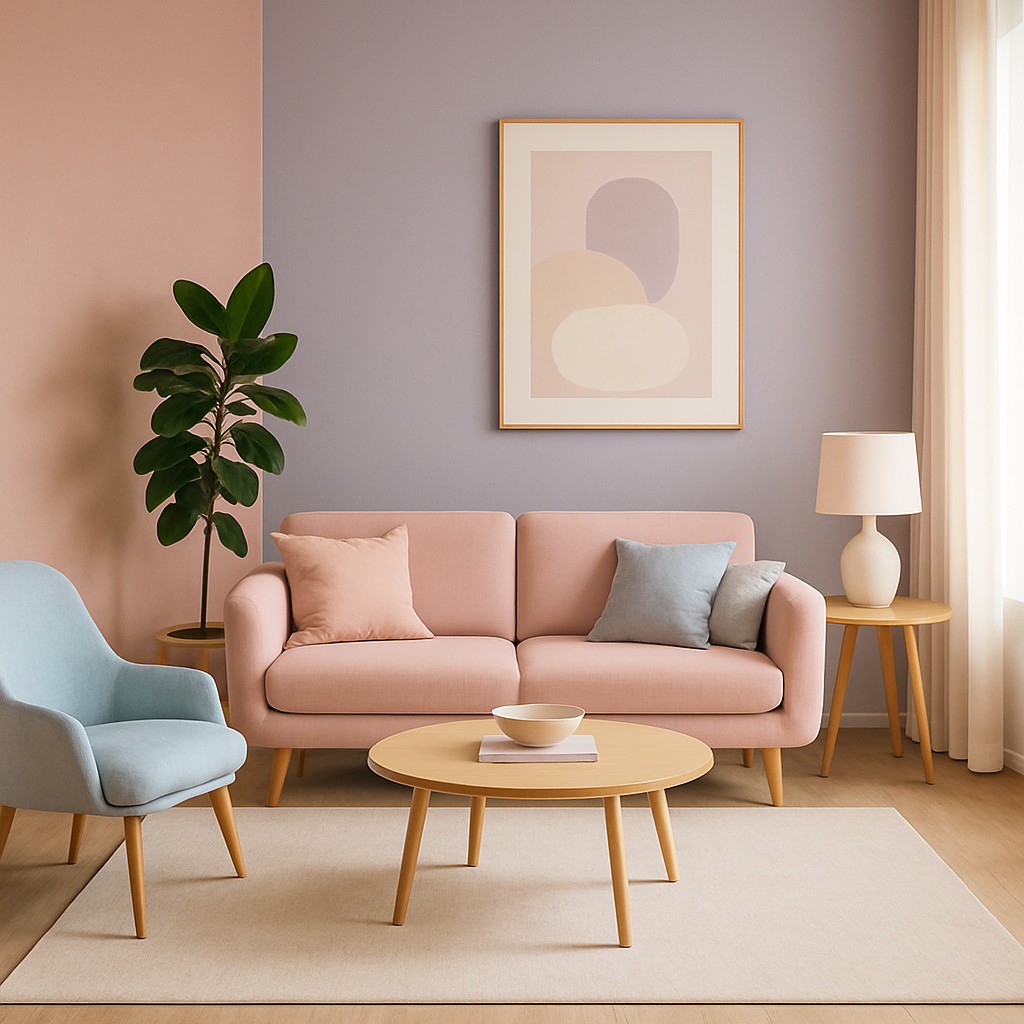
Imagine walking into your home and feeling as if every corner reflects your personal taste and style. Yet, finding the right interior designer to bring that vision to life can be daunting. According to Houzz's annual survey, 87% of homeowners feel overwhelmed by the options available when starting a design project. This article will guide you through the process of selecting an interior designer who aligns with your unique preferences. We'll cover foundational concepts, analyze essential data, provide actionable strategies, and delve into expert-level details to ensure you're equipped to make an informed decision.
Understanding the Role of an Interior Designer
Before embarking on your journey to find the right interior designer, it's crucial to understand what they do. Certified interior designers, often holding credentials like NCIDQ (National Council for Interior Design Qualification), ASID (American Society of Interior Designers), or IIDA (International Interior Design Association), bring a wealth of expertise to the table. They aren't just decorators; they are trained professionals who can transform spaces through strategic planning and design.
Interior designers engage in a multi-phase process that includes concept development, design presentation, procurement, and installation. They work closely with clients to understand their needs, preferences, and budget constraints. This collaborative process ensures that the final design not only looks stunning but also functions effectively for the household. Are you aware of how much a skilled interior designer can impact your living space and its resale value?
Their role extends beyond aesthetics; they are adept at optimizing space, suggesting layouts, and selecting materials that align with your lifestyle. For instance, incorporating biophilic design elements like natural materials and indoor-outdoor flow can enhance well-being and boost a home's resale value by 5-15%. Understanding these aspects is foundational as you begin evaluating potential designers.
Evaluating Credentials and Experience
When choosing the right interior designer, credentials and experience are key indicators of their capability. Designers with NCIDQ certification have passed rigorous exams that test their knowledge of building codes, design standards, and project management. This credential ensures they can handle complex projects safely and effectively. Additionally, membership in professional organizations like ASID or IIDA signals a commitment to ongoing education and adherence to industry standards.
Experienced professionals often note that a designer's portfolio is a window into their style and capability. Platforms like Houzz and Architectural Digest's AD PRO network offer access to designer portfolios, showcasing past projects that highlight their range and expertise. When reviewing portfolios, look for diversity in styles and a proven track record of projects similar to what you envision for your space.
Moreover, industry surveys suggest that homeowners who work with certified interior designers report higher satisfaction with the final results. This is attributed to the designer's ability to balance client preferences with practical solutions. As you delve deeper into your research, remember that credentials and experience are pivotal in ensuring a successful design outcome.
Setting a Realistic Budget and Expectations
One of the most critical steps in selecting the right interior designer is establishing a realistic budget. The cost of hiring a designer can vary widely based on the project's scope, designer's experience, and geographic location. Typical fee structures include flat fees, hourly rates ranging from $150 to $500, or a percentage of the total project cost, usually between 10-25%. Understanding these options will help you plan financially.
For a single room redesign, you might expect to spend between $5,000 and $15,000, while full-home projects can range from $50,000 to $150,000 or more. It's important to have a candid conversation with potential designers about your budget to ensure alignment. Experienced professionals often advise clients to allocate a contingency fund for unexpected expenses that may arise during the project.
Setting clear expectations is equally important. Discuss your goals, preferred styles, and any specific requirements with your designer from the outset. This clarity will help them tailor their approach to meet your needs effectively. As you establish your budget and expectations, you'll be better prepared to engage in meaningful discussions with potential designers.
Conducting Interviews and Making Comparisons
Once you've narrowed down your list of potential designers, the next step is to conduct interviews. This is your opportunity to assess their communication skills, design philosophy, and project management approach. Prepare a list of questions that address their process, timeline, and how they handle challenges. For instance, ask how they incorporate current trends like Japandi or smart home integration into their designs.
During these interviews, pay attention to how well the designer listens and responds to your ideas. A good designer should be able to articulate their vision while remaining receptive to your input. Do they demonstrate a keen understanding of your style preferences and lifestyle needs? This dialogue will help you gauge whether they're the right fit for your project.
Comparing designers' proposals is also crucial. Look beyond the visual elements to evaluate their problem-solving skills and creativity. Consider how they propose to handle the logistical aspects of procurement and installation. By conducting thorough interviews and comparisons, you'll be one step closer to finding a designer who can bring your vision to life.
Leveraging Technology for Visualization
In today's digital age, technology plays a significant role in interior design. Many designers now use AR/VR tools to provide clients with immersive visualizations of their proposed designs. This technology allows you to virtually walk through your redesigned space, offering a clearer understanding of the layout, color schemes, and furniture placement before any physical changes are made.
Platforms like Pinterest and Instagram can also be invaluable for gathering inspiration and communicating your aesthetic preferences to your designer. Create boards or collections that reflect your style and share them during consultations. This visual reference can streamline the design process and ensure that both you and your designer are on the same page.
Embracing technology not only enhances communication but also mitigates the risk of misinterpretation, leading to a smoother design experience. As you explore these tools, consider how they can facilitate better collaboration and a more satisfying end result.
Final Considerations and Next Steps
As you conclude your search for the right interior designer, remember that the relationship you build with them is pivotal to the project's success. Trust and open communication are essential components of this partnership. Reflect on your interactions with potential designers and consider how their personalities and working styles align with yours.
Ultimately, the right designer will not only understand and enhance your style but also respect your budget and timeline constraints. Have you found a designer who meets these criteria? If so, you're well on your way to transforming your space into a reflection of your unique style.
With these insights and strategies, you're ready to take the next step in your design journey. Start by browsing portfolios on Houzz this week - even 20 minutes of research will sharpen your eye for what you want and help you make a confident choice.


Comments
Post a Comment