How to Choose the Right Access Method for Your Suspension Scaffold Needs
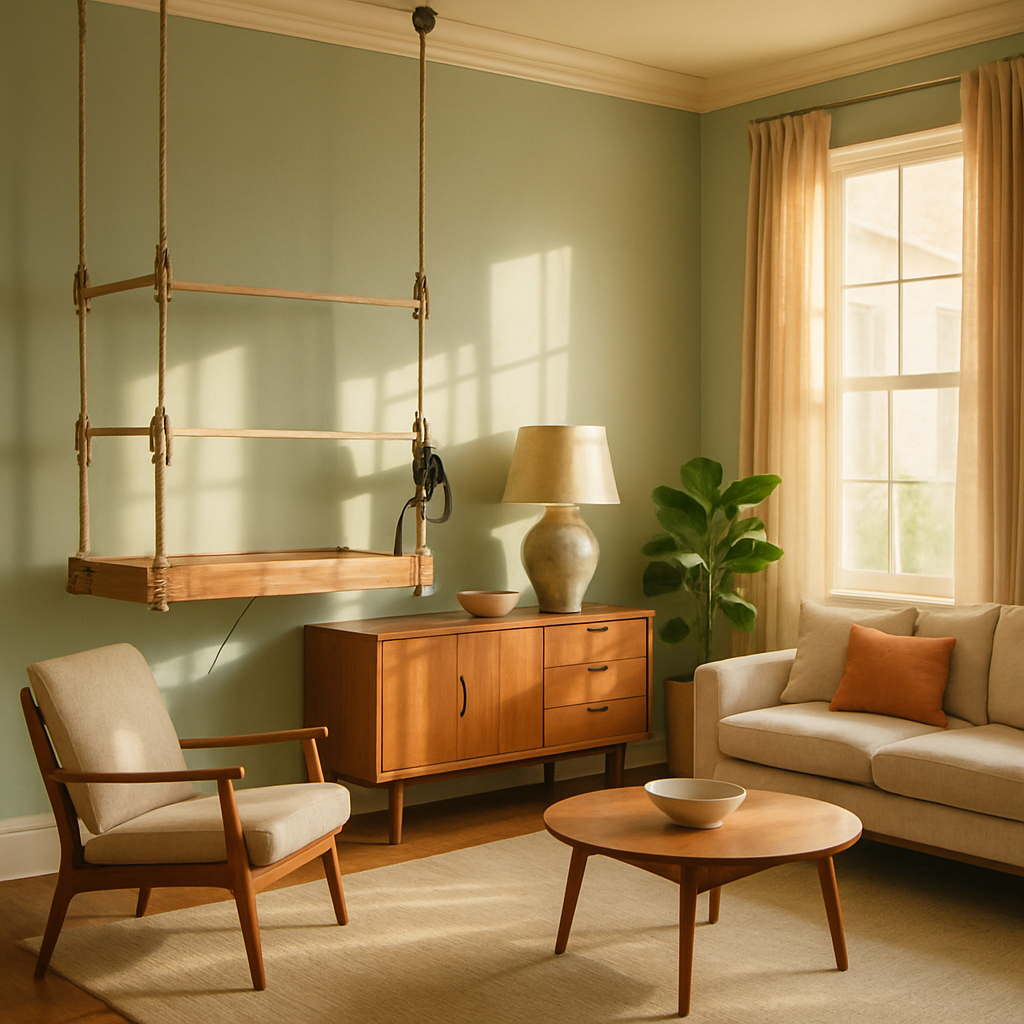
When it comes to tackling interior design projects that require working at heights, suspension scaffolding can be a game-changer. Did you know that according to the Bureau of Labor Statistics, falls from heights account for 14% of all fatal work injuries? This underscores the importance of selecting the right access method for your suspension scaffold needs to ensure safety and efficiency. Whether you're renovating a high-ceilinged living room or adding intricate details to a loft space, understanding the nuances of scaffold access methods is crucial.
This article will guide you through foundational concepts of suspension scaffolding, delve into deeper analysis with data-driven insights, and provide actionable strategies for choosing the best access method. Additionally, we'll explore expert-level details, offering an in-depth perspective on making informed decisions. By the end, you'll have a comprehensive understanding and the confidence to make the right choice for your project.
Understanding Suspension Scaffold Basics
Suspension scaffolding is an essential tool in the interior design toolkit, especially for projects involving high ceilings or multi-story spaces. The basic principle involves platforms suspended by ropes or cables, allowing workers to access elevated areas safely. This setup is particularly advantageous in environments where traditional scaffolding is impractical due to space constraints or irregular surfaces. But how do you determine which suspension scaffold is right for your needs?
One fundamental consideration is the type of work to be performed. For instance, tasks like painting or installing light fixtures might require different access methods than more structural work like ceiling repairs or installations. Each task demands specific stability and weight capacity, factors that directly influence the choice of scaffold. Experienced professionals often recommend consulting with certified interior designers or contractors who can assess these needs accurately.
Another critical factor is the environment itself. The interior spaces where suspension scaffolds are used can vary widely, from residential homes to commercial buildings. According to industry surveys, projects in residential settings often prioritize aesthetic and space-saving solutions, while commercial spaces may focus more on efficiency and load capacity. Understanding these distinctions can help you select the right scaffold that aligns with your project's goals.
With these foundational concepts in mind, we can move on to a deeper analysis of the options available and how they relate to specific interior design projects.
Analyzing Access Methods: Data-Driven Insights
To make an informed decision about suspension scaffold access, it's crucial to analyze the various methods available. The two primary types are powered and non-powered scaffolds. According to data from the American Society of Interior Designers (ASID), powered scaffolds, which use motors to move platforms up and down, are preferred for their efficiency and ease of use. These are particularly beneficial in large-scale projects where repeated elevation adjustments are needed.
Non-powered scaffolds, on the other hand, rely on manual effort to reposition platforms. While they may be more labor-intensive, they offer a cost-effective solution for smaller projects or where budget constraints are significant. A study by the International Interior Design Association (IIDA) found that non-powered scaffolds are often chosen for projects with a budget under $10,000, as they provide the necessary access without the higher costs associated with powered systems.
Another aspect to consider is safety. The National Institute for Occupational Safety and Health (NIOSH) emphasizes the importance of selecting scaffolds that meet industry safety standards, as improper use can lead to serious accidents. The choice between powered and non-powered scaffolds should also consider the availability of trained personnel who can safely operate or manage these systems. Do you have the qualified team needed to handle powered scaffolds, or is a simpler, non-powered option more feasible?
Equipped with these insights, we can now explore actionable strategies for selecting the right scaffold access method tailored to your specific project needs.
Actionable Strategies for Selecting Scaffold Access
Choosing the right scaffold access method involves a combination of planning, budgeting, and evaluating project specifics. Start by mapping out the scope of your project. Are you working on a single room redesign or a full-home renovation? This will determine the type and extent of scaffolding required. For instance, a full-home project might necessitate powered scaffolds for efficiency, while a smaller, focused task could be handled with a non-powered system.
Budgeting plays a pivotal role in your decision. As mentioned earlier, powered systems are typically more expensive. Costs can range from $15,000 to $50,000 for comprehensive installations. In contrast, non-powered scaffolds might fit a tighter budget, but require additional labor resources. The American Institute of Architects (AIA) suggests factoring in both initial and ongoing costs when evaluating your options.
Next, consider the project's timeline. Powered scaffolds can significantly reduce time spent on elevation adjustments, which can be crucial for meeting tight deadlines. If your project is on a strict schedule, investing in a powered scaffold may be justified. However, if time is more flexible, a non-powered option could suffice.
With a strategic plan in place, the next step is to delve into expert-level details that can further refine your selection process.
Expert-Level Insights on Scaffold Selection
Industry experts often stress the importance of understanding scaffold specifications in detail. For example, the load capacity of the scaffold is a critical factor. According to Architectural Digest's AD PRO network, a scaffold should comfortably support the weight of workers, tools, and materials. A common guideline is to select a system with a capacity 25% higher than the expected load to ensure safety and stability.
Material selection is another consideration. Scaffolds are typically made from aluminum, steel, or composite materials. Aluminum scaffolds are lightweight and resistant to corrosion, making them ideal for indoor use where mobility is key. Steel scaffolds offer superior strength and are preferred for heavy-duty tasks. Composite materials, while more costly, provide a balance of strength and weight, suitable for specialized projects.
Additionally, professionals recommend considering the adaptability of the scaffold system. Some scaffold systems are modular, allowing for easy configuration and customization to suit various project needs. This flexibility can be invaluable in complex projects where scaffold requirements may change as the project progresses.
With expert insights in hand, we can now explore additional details that further enhance your understanding of scaffold access methods.
Additional Depth: Considerations for Specific Projects
When tackling specific interior design projects, there are additional considerations that can influence scaffold selection. For instance, the design aesthetic of the project might dictate certain choices. In projects where biophilic design elements are integral, such as incorporating living walls or indoor gardens, selecting a scaffold that minimizes environmental impact, like those made from sustainable materials, aligns with project goals.
Projects involving smart home integration may require scaffolding solutions that accommodate electrical and technological installations. According to Houzz, integrating smart systems such as automated window treatments or climate controls often necessitates specialized scaffold configurations that provide easy access to these systems during installation.
Finally, consider the potential for future modifications. If the project involves ongoing updates or additions, investing in a scaffold system that allows for easy reconfiguration can save time and resources. Experienced professionals often note that anticipating future needs can prevent the need for additional equipment or adjustments down the line.
With these additional insights, we can now wrap up with final perspectives that consolidate your understanding of choosing the right scaffold access method.
Final Perspectives on Scaffold Access Selection
Choosing the right access method for your suspension scaffold needs involves a blend of strategic planning, expert insights, and practical considerations. By understanding the foundational concepts, analyzing data-driven insights, and applying actionable strategies, you can make an informed decision that aligns with your project goals and budget.
Furthermore, considering expert-level details and additional depth specific to your project enhances your ability to select the most suitable scaffold system. Are you ready to take the next step in your interior design project with confidence? The right scaffold access method can make all the difference in achieving a safe, efficient, and aesthetically pleasing outcome.
As you prepare for your project, keep in mind the importance of consulting with industry professionals and leveraging resources like ASID and IIDA for guidance. This collaborative approach ensures that your scaffold selection is both informed and effective.
Conclusion: Taking the Next Step
In conclusion, selecting the right access method for your suspension scaffold needs is a critical component of successful interior design projects. By integrating expert insights, data analysis, and strategic planning, you can ensure that your scaffold choice supports both the practical and aesthetic goals of your project. Remember, the right scaffold is not just about height and access, but also about safety, efficiency, and adaptability.
Now that you're equipped with the knowledge and strategies outlined in this article, it's time to take action. Start by consulting with certified interior designers or scaffold specialists to discuss your project's specific needs. Consider browsing portfolios on platforms like Houzz to visualize how different scaffolding options can be integrated into your design. Even a short session of research can sharpen your eye for what you want and need.
Your next step is clear: embark on your interior design journey with the confidence that comes from informed decisions and expert guidance. Your project's success is within reach, starting with the right scaffold access method.



Comments
Post a Comment