How Minimalist Interior Design Transforms Small Spaces into Chic Sanctuaries
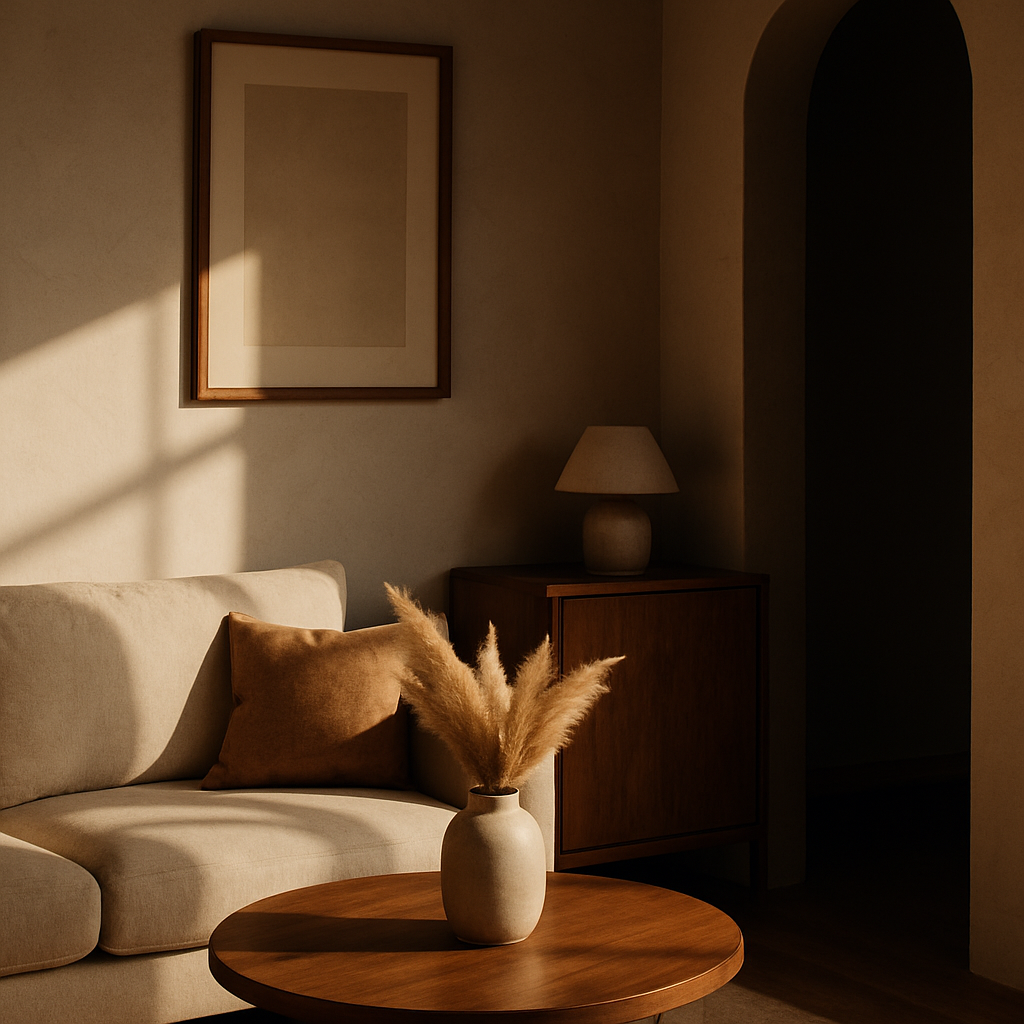
Imagine walking into a room that feels twice its size, where every item has its purpose and beauty radiates from simplicity. According to a survey by Houzz, homeowners are increasingly drawn to the minimalist approach, especially in urban areas where space is at a premium. Why is minimalist interior design so effective in transforming small spaces into chic sanctuaries? This article will explore foundational concepts of minimalist design, provide deeper analysis with compelling data, and offer actionable strategies to implement this style in your own home. We'll also delve into expert insights and additional considerations to ensure your small space not only looks chic but functions seamlessly.
Understanding Minimalist Interior Design
At its core, minimalist interior design is about stripping spaces down to their essential elements. This style focuses on functionality and simplicity, often characterized by clean lines, a monochromatic palette, and the strategic use of textures. Minimalism emerged as a response to the cluttered excess of previous design trends, emphasizing the belief that "less is more." The movement gained momentum in the 20th century and continues to evolve, blending with other styles like Japandi, which marries Japanese minimalism with Scandinavian warmth.
One of the foundational principles of minimalist design is the deliberate selection of each item in a space. Every piece of furniture, every accessory, and every color has a purpose, contributing to an overall sense of harmony and balance. This approach not only maximizes space but also creates an environment that promotes tranquility and focus. Homeowners often find that a minimalist space reduces stress and increases their sense of well-being, as unnecessary distractions are removed.
Minimalist design is not just about aesthetics; it's a lifestyle choice that encourages mindfulness. By focusing on quality over quantity, minimalist interiors prioritize sustainability and longevity. This aligns with current trends toward using sustainable and reclaimed materials, which are both environmentally friendly and aesthetically pleasing. As we move forward, the integration of smart home technologies also complements minimalist spaces, providing seamless control without adding visual clutter.
The Impact of Minimalism on Small Spaces
Why is minimalist design particularly effective in small spaces? According to the American Society of Interior Designers (ASID), the careful curation of elements in minimalist interiors can make a small room feel more open and airy. By reducing clutter and using strategic furniture placement, minimalist design maximizes usable space, making a room appear larger than it actually is. This is especially beneficial in urban environments where space is at a premium.
Data from Houzz suggests that minimalist interiors can increase a property's resale value by up to 15%. This might seem surprising, but well-designed spaces that are easy to maintain and visually appealing tend to attract potential buyers. The efficient use of space is a key selling point, as it showcases the potential of small areas without overwhelming them with unnecessary decor.
Moreover, minimalist design often incorporates versatile, multifunctional furniture that can adapt to various needs. This adaptability is crucial in small spaces, where each piece of furniture must work hard to justify its place. For example, a dining table that doubles as a workspace or a sofa that converts into a bed can significantly enhance the functionality of a cramped apartment. When executed well, minimalism turns potential limitations into opportunities for innovative design solutions.
Actionable Strategies for Adopting Minimalism
Are you ready to transform your small space into a minimalist sanctuary? Start by decluttering your home. Go through each room and remove items that don't serve a clear purpose or bring you joy. This process can be liberating and is often the first step toward embracing a minimalist lifestyle. Consider how each item contributes to the overall aesthetic and function of your space.
Next, focus on quality over quantity. Invest in a few high-quality pieces of furniture that will last. Look for items with clean lines and neutral colors, which are hallmarks of minimalist design. Consider furniture from brands that prioritize sustainability, as this aligns with the minimalist ethos of mindful consumption. Remember, it's better to have one well-made chair than three flimsy ones that won't stand the test of time.
Finally, incorporate natural light wherever possible. Minimalist spaces thrive on openness and light, so maximize your available light sources. Use sheer curtains instead of heavy drapes and consider adding mirrors to reflect light and make the space appear larger. If natural light is limited, opt for fixtures that emit a warm glow, enhancing the cozy yet chic ambiance of your minimalist sanctuary.
Expert Insights into Minimalist Design
Experienced professionals often note that the success of minimalist design lies in its attention to detail. Every element, from the texture of a throw pillow to the finish of a lamp, must be carefully considered. According to the International Interior Design Association (IIDA), one common mistake is underestimating the importance of texture. In a minimalist space, texture adds depth and interest without resorting to clutter.
Another key insight is the use of color. While minimalism is often associated with a neutral palette, this doesn't mean your space has to be devoid of color. Consider soft hues or a single bold accent color to add personality without overwhelming the eye. The key is to maintain balance and ensure that any color used complements the overall design.
Technology also plays a crucial role in modern minimalist design. Smart home devices can be seamlessly integrated into a minimalist space. Automated lighting, climate control, and even smart storage solutions can enhance the functionality of your home without disrupting its aesthetic. These technologies offer convenience and efficiency, which are central to the minimalist philosophy.
Additional Considerations for Small Spaces
When designing a small space, it's important to think vertically as well as horizontally. Wall-mounted shelves and hanging planters can free up floor space while adding character to your room. This technique is particularly effective in small apartments where every square inch counts. Consider how you can use vertical space to your advantage.
Another consideration is the use of biophilic design elements. Incorporating natural materials and greenery can enliven a minimalist space, creating a more inviting and calming atmosphere. This approach not only enhances the aesthetic but also improves air quality and promotes a sense of well-being. Plants like succulents or ferns are low-maintenance options that thrive indoors, making them perfect for minimalist environments.
Finally, consider the flow of your space. Minimalist design is about more than just aesthetics; it's about creating an environment that supports your lifestyle. Map out how you actually use each room, from where you drop your keys to where you unwind at the end of the day. By understanding your daily habits, you can design a space that works with you, not against you.
Final Perspectives on Minimalist Design
Minimalist interior design is not a one-size-fits-all solution; it requires careful consideration and personalization. Every decision should reflect your personal style and the functional needs of your space. Are you willing to embrace the minimalist ethos and transform your home into a sanctuary of simplicity? It's a journey that promises not only a chic aesthetic but a more meaningful way of living.
As you embark on this transformation, remember that the minimalist approach is as much about mindset as it is about design. By focusing on what truly matters, you can create a space that nurtures your well-being and supports your lifestyle. Whether you're starting with a single room or your entire home, the principles of minimalism can guide you toward a more serene and intentional living environment.
Embracing minimalism is a commitment to a lifestyle of simplicity and mindfulness. As you begin to see the benefits of a decluttered space, you'll likely find that this approach extends beyond your home and into other areas of your life. Minimalism is not just a design choice; it's a way to cultivate peace and clarity in a complex world.
Conclusion
Minimalist interior design offers a transformative approach to maximizing small spaces, turning them into chic sanctuaries that are both functional and stylish. By understanding the principles of minimalism and applying expert strategies, you can create a home that reflects your personal style and meets your needs. Are you ready to start your minimalist journey? Begin by browsing portfolios on Houzz or exploring Instagram for inspiration. Even 20 minutes of research can sharpen your eye for what you want. Embrace the elegance of minimalism and transform your space into a sanctuary of simplicity.



Comments
Post a Comment