How AI Interior Design Apps Are Changing the Way We Decorate Our Homes
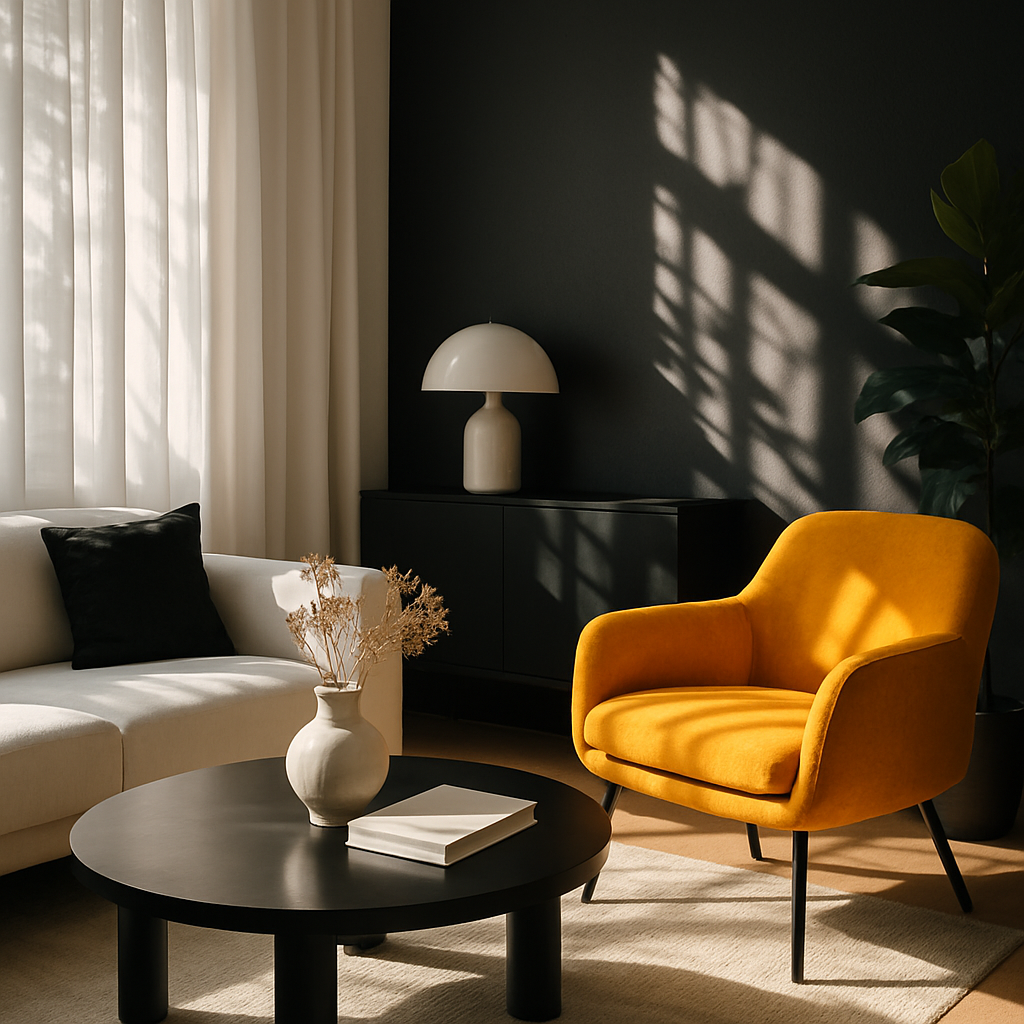
Imagine transforming your living room from drab to fab in just minutes, all from the comfort of your couch. This is not a futuristic dream but a current reality, thanks to the rise of AI interior design apps. These apps are reshaping how we approach home décor, offering accessible design expertise at our fingertips. From virtual room staging to personalized style recommendations, AI technology is empowering homeowners to create beautifully designed spaces without ever hiring an interior designer. In this article, we will delve into how AI interior design apps are changing the way we decorate, exploring foundational concepts, analyzing industry data, and offering actionable strategies for leveraging these tools. We will also provide expert insights into using AI to achieve professional-level design results.
The Foundation of AI in Interior Design
At the core of AI interior design apps is the ability to simulate real-life transformations through augmented reality (AR) and virtual reality (VR) technologies. These apps allow users to visualize changes in their space, from selecting paint colors to rearranging furniture. Platforms like Houzz and DecorMatters have made significant strides in integrating AR capabilities, enabling users to see potential room designs in real-time. This technology not only helps in decision-making but also prevents costly mistakes, as users can experiment with different styles and layouts before making any purchases.
Furthermore, AI-powered design apps leverage advanced algorithms to analyze user preferences and recommend personalized design solutions. These algorithms consider factors such as spatial dimensions, lighting conditions, and user style preferences to offer curated design suggestions. For instance, the app Modsy provides 3D renderings of rooms based on user inputs, transforming traditional design processes into interactive experiences. This empowers homeowners to take control of their design journey with confidence and clarity.
Another key aspect of AI in interior design is access to vast design databases. These databases include thousands of furniture and décor items, allowing users to explore a wide range of options that suit their style and budget. By utilizing machine learning, these apps continuously improve their recommendations, ensuring that users receive the most relevant and up-to-date advice. As AI technology advances, the accuracy and efficiency of these apps will only increase, further revolutionizing the design industry.
As we move forward, let's explore the deeper implications and benefits of AI in interior design, supported by industry data and trends.
AI's Impact on the Interior Design Industry
The integration of AI in interior design is not just a novelty; it is a significant shift that is backed by compelling data. According to a recent survey by Houzz, 58% of homeowners who used AI design tools reported higher satisfaction with their home projects compared to traditional methods. This statistic underscores the effectiveness of AI in enhancing design outcomes and user experience. Furthermore, the American Society of Interior Designers (ASID) notes that the adoption of AI tools among professionals has increased by 30% over the past two years, indicating a growing trust in technology-driven solutions.
AI tools are also making interior design more accessible and affordable. Traditional interior design services can range from $150 to $500 per hour, which can be cost-prohibitive for many homeowners. In contrast, AI apps often offer free or subscription-based models, significantly lowering the barrier to entry. For example, apps like Planner 5D offer basic services for free, with premium features available at a fraction of the cost of hiring a professional designer. This democratization of design services allows more individuals to engage in home improvement projects without financial strain.
Moreover, AI is playing a crucial role in promoting sustainable design practices. By analyzing user preferences and recommending energy-efficient materials and furnishings, AI tools contribute to eco-friendly home environments. This aligns with the increasing consumer demand for sustainable living solutions, as observed by the International Interior Design Association (IIDA). The use of AI in interior design not only enhances aesthetic appeal but also supports broader environmental goals. With these benefits in mind, let's explore actionable strategies for using AI apps in your own design projects.
Understanding the industry impact sets the stage for personalized strategies in the next section.
Actionable Strategies for Using AI Design Apps
To maximize the potential of AI interior design apps, it's important to approach them strategically. Start by clearly defining your design goals. What specific changes do you want to make in your space? Are you looking to update a single room or undertake a full-home redesign? Having a clear vision will help you use AI tools more effectively. Once your goals are set, explore apps that best match your needs. For instance, if you're interested in furniture placement, apps like Roomstyler offer 3D room planners that provide realistic visualizations.
Next, take advantage of the customization features offered by AI apps. Many platforms allow you to input room dimensions, preferred color palettes, and style preferences to receive tailored recommendations. Apps like Homestyler provide virtual mood boards, enabling you to experiment with different styles until you find the perfect fit. This process not only saves time but also enhances creative exploration.
Lastly, don't hesitate to use AI apps to collaborate with professional designers. Many certified interior designers (holding NCIDQ credentials) are now incorporating AI tools into their workflows to better communicate with clients. By sharing your AI-generated designs with a professional, you can refine your concepts and ensure they align with structural possibilities and aesthetic goals. This collaborative approach bridges the gap between DIY design and expert guidance, offering the best of both worlds.
With these strategies in mind, let's delve into expert-level insights for achieving standout design results.
Expert Insights for Professional-Level Design
Experienced professionals often note that while AI tools are powerful, they are most effective when combined with human creativity and expertise. AI apps provide a solid foundation for design ideas, but the nuanced touch of a professional designer can elevate a space from good to extraordinary. According to Architectural Digest's AD PRO network, many designers use AI-generated visuals as a starting point before adding their unique artistic flair and knowledge of trends.
To achieve professional-level design, consider the importance of layering textures and materials. AI apps can suggest combinations, but understanding the tactile and visual interplay of different materials is key. For instance, juxtaposing rich velvet with natural wood can create a sense of warmth and luxury, a trend seen in the quiet luxury movement. Additionally, incorporating biophilic elements like plants or natural light can enhance the overall ambiance, promoting well-being and comfort.
Moreover, staying informed about current design trends can provide inspiration and context for your projects. The Japandi style, which merges Japanese minimalism with Scandinavian coziness, is particularly popular in 2026. By using AI tools to experiment with these elements, you can create a space that is both modern and timeless. Remember, the goal is not to rely solely on technology but to use it as a tool to enhance your design intuition.
Having explored expert insights, let's delve deeper into additional considerations for using AI in interior design.
Additional Considerations for AI-Powered Design
While AI apps offer numerous benefits, it's important to be aware of their limitations. One common challenge is the accuracy of color rendering. Colors may appear differently on-screen compared to real life, which can lead to discrepancies in the final design. To mitigate this, always test paint samples in your space and remember that lighting conditions can significantly impact color perception.
Another consideration is the scope of AI recommendations. While these apps provide valuable suggestions, they may not account for specific architectural constraints or local building codes. Consulting with a certified designer or architect, such as those affiliated with local AIA chapters, can ensure that your design plans are both beautiful and compliant. This collaboration can prevent potential issues and ensure a smoother implementation process.
Furthermore, consider the learning curve associated with new technology. While AI apps are designed to be user-friendly, some features may require time to master. Start with simple projects to build your confidence before tackling more complex designs. This gradual approach allows you to become familiar with the app's capabilities, ensuring a more rewarding design experience.
With these considerations in mind, let's wrap up by reflecting on the future of AI in interior design.
The Future of AI in Interior Design
As AI technology continues to evolve, its role in interior design will only become more integral. Future advancements may include improved AR/VR capabilities, allowing for even more immersive and accurate visualizations. Additionally, AI could further personalize design recommendations by integrating data from smart home devices, offering insights based on your daily routines and preferences.
The potential for AI to revolutionize interior design is vast, but it also raises questions about the future of the design profession. Will AI replace human designers, or will it serve as a powerful tool to enhance their creative process? Many industry experts believe that AI will complement human expertise, enabling designers to focus on more complex and creative aspects of their work.
As we look ahead, the key will be to embrace AI technology while valuing the irreplaceable human touch that defines exceptional design. Are you ready to explore the possibilities AI offers in transforming your home?
In conclusion, AI interior design apps are reshaping how we decorate our homes, offering unprecedented access to design expertise and creative possibilities. To start your journey, download a popular AI design app like Houzz or Modsy and experiment with your space this week. Even a short session can spark new ideas and inspire your next project.


Comments
Post a Comment