From Minimalism to Maximalism: Finding Your Perfect Bedroom Interior Style
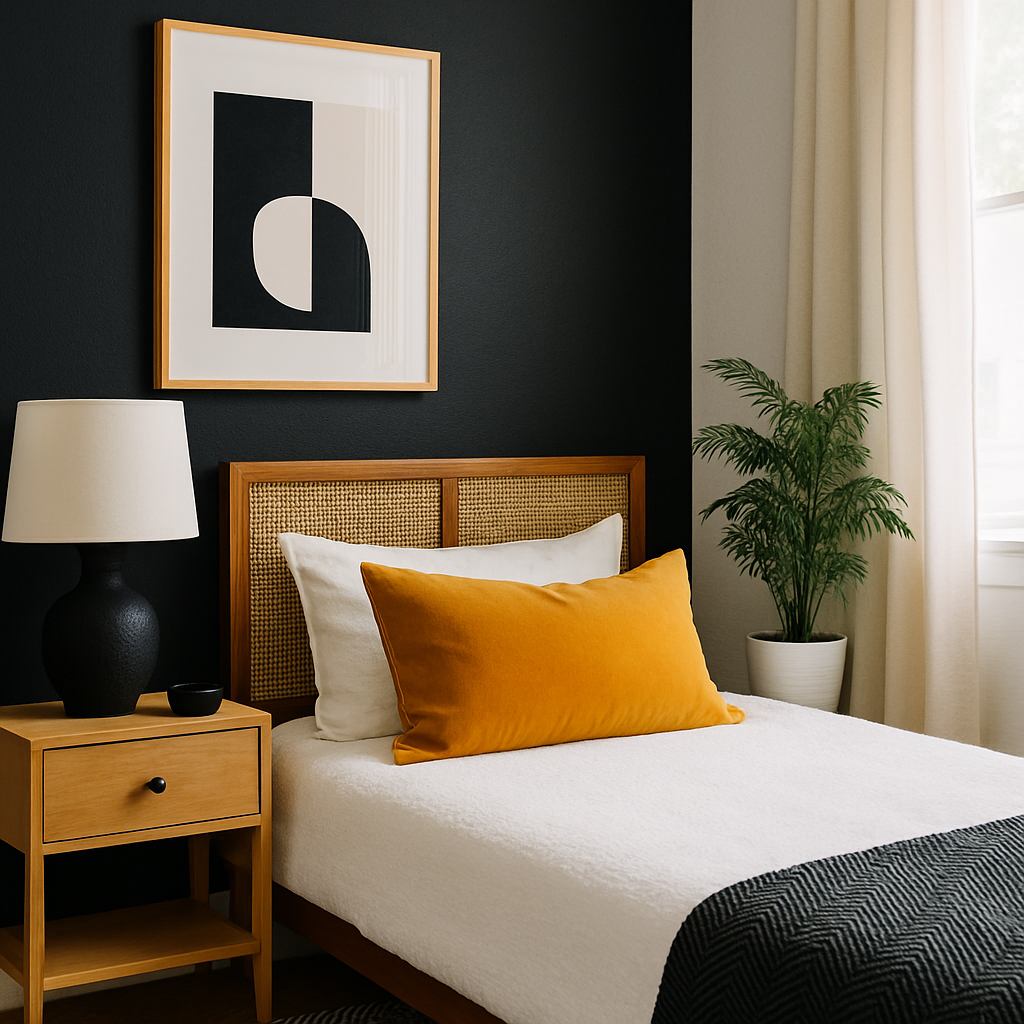
Have you ever walked into a room and felt an immediate sense of calm or excitement? The secret often lies in the interior style. According to a Houzz survey, over 80% of homeowners agree that the right design enhances their overall quality of life. Whether you're drawn to the sleek simplicity of minimalism or the bold vibrancy of maximalism, understanding these styles is key to creating a bedroom that resonates with your personality. This article will guide you through foundational concepts, analyze trends, offer actionable strategies, and provide expert insights to help you find your perfect style.
Understanding Minimalism and Maximalism: Foundational Concepts
Minimalism is characterized by simplicity, clean lines, and a monochromatic palette with color used as an accent. It prioritizes functionality and space, aiming to create a serene environment free from clutter. The style's emphasis on "less is more" can make a room feel larger and more open. This approach often uses natural materials like wood and stone to add warmth without overwhelming the senses.
In contrast, maximalism celebrates complexity and abundance. It's about layering textures, colors, and patterns to create a visually stimulating space. Maximalism is often seen as a personal and eclectic style, reflecting the owner's interests and travels. According to Architectural Digest, maximalism is not about clutter but curated abundance, where each item has its place and purpose.
Both styles have their merits and can be tailored to personal preferences. The choice between minimalism and maximalism depends on how you want to feel in your space. Do you prefer a retreat where you can unwind, or a vibrant sanctuary that energizes you? Understanding these foundational differences is the first step in finding your perfect bedroom interior style.
The Psychology Behind Design Choices: A Deeper Analysis
Why do some people gravitate towards minimalism while others thrive in maximalist settings? According to research from the American Society of Interior Designers (ASID), your personality plays a significant role. Minimalists often seek order and calm, reflecting a preference for environments that reduce stress and promote relaxation. This style suits individuals who value mindfulness and clarity.
On the other hand, maximalists are typically drawn to spaces that reflect their creativity and passion. They often enjoy collecting items that tell a story, making their space feel personal and dynamic. A study by the National Council for Interior Design Qualification (NCIDQ) suggests that such individuals find comfort and inspiration in an environment rich with visual stimuli.
Understanding these psychological influences can help you make informed design choices. Consider your day-to-day interactions with your space. Does a clutter-free environment help you focus, or does a room filled with cherished items make you feel at home? Recognizing these tendencies can guide you towards a style that supports your lifestyle and well-being.
Actionable Strategies to Explore Your Style
Once you've identified whether you lean towards minimalism or maximalism, it's time to explore these styles practically. Start by assessing your current bedroom. What elements do you love, and what feels out of place? This exercise can clarify your preferences and inform your next steps. Experienced professionals often note that creating a mood board can be a powerful tool. Platforms like Pinterest and Instagram are excellent for gathering inspiration and visualizing your ideas.
Consider experimenting with small changes before committing to a major overhaul. For a minimalist approach, try decluttering and removing non-essential items. Focus on quality over quantity, choosing a few standout pieces that define the room. In contrast, if maximalism appeals to you, introduce bold patterns through textiles or wall art. Mix and match styles to create a cohesive yet vibrant look.
Budget is also a crucial factor. According to industry surveys, a single room redesign can range from $5,000 to $15,000, depending on the scope and materials used. Setting a realistic budget and prioritizing key elements can help you achieve your desired style without overspending. As you explore these strategies, keep in mind the balance between form and function to create a space that is both beautiful and practical.
Expert Insights on Current Trends
The design world is constantly evolving, with trends that can influence your style choices. In 2026, biophilic design is gaining popularity, emphasizing natural materials and an indoor-outdoor flow. This trend aligns well with minimalism, offering a way to incorporate nature and tranquility into your bedroom. Consider adding plants or using materials like bamboo and cork to enhance this effect.
For those inclined towards maximalism, the trend of quiet luxury-an understated elegance-offers a sophisticated twist. This approach uses rich textures and high-quality materials to create a lavish yet refined space. Smart home integration is another trend to watch, providing convenience and modernity through automated lighting and climate control.
Understanding these trends can provide inspiration and direction as you refine your style. However, it's essential to adapt them to your personal tastes rather than following them blindly. The best designs reflect individuality, combining current influences with timeless elements that resonate with you.
Delving Deeper: Additional Considerations
Beyond aesthetics, consider the practical aspects of your bedroom design. How does the space function daily? For minimalists, this might mean optimizing storage solutions to maintain a clutter-free environment. Built-in wardrobes and under-bed storage are excellent options that keep essentials out of sight. Meanwhile, maximalists might focus on displaying collections or incorporating multi-functional furniture that serves both decorative and practical purposes.
Lighting is another crucial element that can transform your bedroom's atmosphere. Minimalist designs benefit from natural light and understated fixtures, while maximalist styles can experiment with bold, statement lighting to enhance the room's character. Consider using dimmers or smart bulbs to adjust the ambiance to suit different moods and activities.
Finally, think about the long-term implications of your design choices. A well-designed interior not only improves daily living but can also increase your property's resale value by 5-15%, according to industry experts. Whether you're planning to stay for years or sell soon, investing in a style that complements the home's architecture and appeals to potential buyers can be advantageous.
Bringing It All Together: Final Perspectives
As you journey from minimalism to maximalism, remember that the goal is to create a space that genuinely reflects you. There's no right or wrong answer-only what feels authentic and comfortable. Revisit your initial impressions and the strategies you've explored. Are there elements from both styles that appeal to you? Combining aspects of minimalism and maximalism can lead to a uniquely balanced design.
Reflect on the emotional responses these styles evoke. Minimalism's tranquility may offer peace in a chaotic world, while maximalism's energy can inspire creativity and joy. Your bedroom should be a personal haven, whether it's a minimalist retreat or a maximalist gallery.
In the end, finding your perfect bedroom interior style is about aligning your environment with who you are and how you want to live. It's a process that involves introspection and creativity, resulting in a space that you love and enjoy every day.
Conclusion: Your Next Steps
In summary, exploring the spectrum from minimalism to maximalism involves understanding foundational concepts, analyzing psychological influences, and applying practical strategies. Consider current trends and expert insights while keeping an eye on the future benefits of your design choices. As you embark on this journey, ask yourself: How do you want your bedroom to feel, and what story do you want it to tell?
Ready to start designing your perfect bedroom? Begin by browsing designer portfolios on Houzz or Instagram this week. Even 20 minutes of research can sharpen your eye for what you truly want. With the right inspiration and guidance, you can transform your bedroom into a space that reflects your style and enhances your life.



Comments
Post a Comment