From Concept to Reality: AI Innovations in Personalized Interior Design
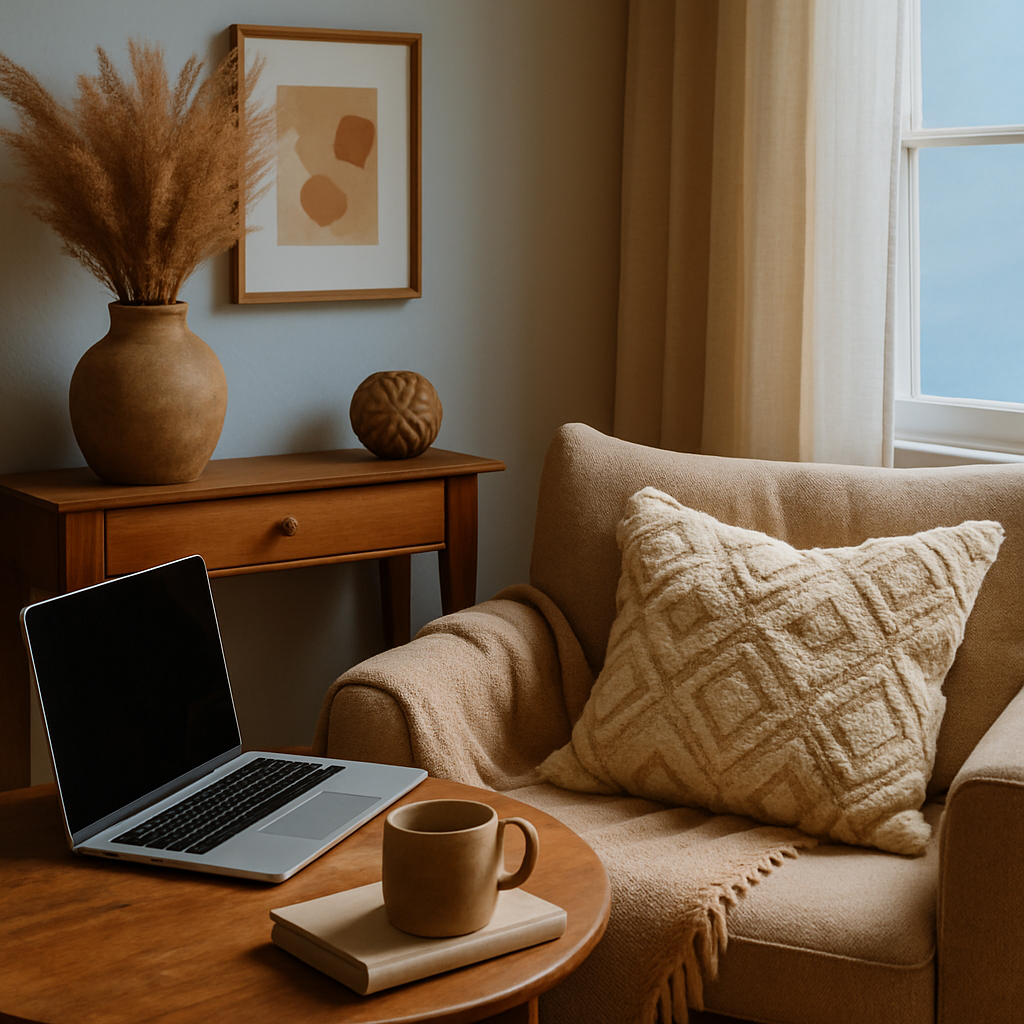
Imagine walking into a space that feels tailor-made for you, with every element echoing your personal style and needs. In the world of interior design, this level of personalization is no longer a distant dream. Thanks to AI innovations in personalized interior design, creating spaces that reflect individual tastes is becoming increasingly accessible. The integration of artificial intelligence into design processes is revolutionizing how designers conceptualize, plan, and execute projects. In this article, we will explore foundational concepts of AI in interior design, delve into data-driven insights, discuss actionable strategies for implementation, provide expert-level details, and offer additional depth on this transformative trend. Whether you're a seasoned designer or an enthusiast eager to explore, AI is reshaping the way spaces come to life.
Understanding AI in Interior Design
At the core of AI's impact on interior design is its ability to analyze and process vast amounts of data quickly and efficiently. This capability allows designers to understand consumer preferences and predict trends with unprecedented accuracy. For instance, platforms like Houzz and Pinterest use AI to track user interactions, identifying popular styles and emerging design elements. By learning from these interactions, AI tools can suggest design options that align with individual tastes, enhancing the personalization process.
AI also plays a pivotal role in space planning and layout optimization. Through algorithms that consider spatial dimensions, lighting, and functionality, AI can propose layouts that maximize both aesthetic appeal and utility. This technological advancement is particularly beneficial in urban settings, where space is often at a premium. Have you ever struggled to make a small room feel spacious and inviting? AI can help designers find innovative solutions that were previously difficult to achieve.
Moreover, AI-driven visualization tools allow designers and clients to see potential outcomes before any physical changes are made. Using AR/VR technologies, clients can virtually "walk through" proposed designs, making real-time adjustments. This not only streamlines the design process but also ensures greater client satisfaction by aligning expectations with the final result. As we transition into the next section, consider how these foundational AI tools might shape your own space transformation.
The Data Behind AI-Driven Design
Industry surveys suggest that approximately 45% of interior designers are now incorporating AI tools into their workflows. According to the American Society of Interior Designers (ASID), these tools are not just improving efficiency but also enhancing creativity. By leveraging AI, designers can access a treasure trove of data insights that inform decision-making and inspire new design concepts.
For example, AI can analyze color trends by processing millions of images across social media and design platforms, identifying shifts in consumer preferences. This data-driven approach allows designers to stay ahead of the curve, offering clients fresh, trendsetting ideas. Additionally, AI can evaluate material durability and sustainability, factors increasingly important to eco-conscious clients. By analyzing product reviews and performance data, AI helps designers recommend materials that meet both aesthetic and functional criteria.
AI's predictive analytics can also forecast the potential return on investment for design projects. With real estate data indicating that well-designed interiors can increase property values by 5-15%, AI can help clients see the financial benefits of their design choices. As you absorb these insights, think about how data could influence your future design decisions, leading seamlessly into the next section on actionable strategies.
Actionable Strategies for Incorporating AI
If you're considering integrating AI into your design process, there are several strategies to explore. Start by identifying AI tools that align with your specific design needs. Platforms like Architectural Digest's AD PRO network offer a range of AI-driven solutions tailored for different aspects of design, from visualization to material selection.
One practical approach is to utilize AI for mood board creation. By inputting key themes or colors, AI can generate curated collections of images and materials that inspire design concepts. This not only saves time but also broadens the creative possibilities. Have you ever felt stuck in a design rut? AI can provide the fresh perspective needed to break through creative blocks.
Another strategy involves using AI for client interaction and feedback collection. AI chatbots can gather client preferences and feedback efficiently, facilitating more personalized and responsive design solutions. By automating this aspect of client communication, designers can focus more on creative tasks, enhancing both productivity and client satisfaction. As we move to expert-level details, consider how these strategies might enhance your design practice or project.
Expert Insights into AI Integration
Experienced professionals often note that successful AI integration requires a balance between technology and human intuition. While AI can process data and suggest design options, the designer's expertise remains crucial in translating these suggestions into cohesive, beautiful spaces. The International Interior Design Association (IIDA) emphasizes the importance of maintaining the human touch in design, even as AI tools become more prevalent.
AI's ability to handle routine tasks frees designers to focus on high-level creative and conceptual work. For instance, AI can manage procurement logistics, tracking orders and deliveries, which allows designers to dedicate more time to refining the artistic elements of a project. This synergy between AI efficiency and human creativity leads to more innovative and personalized designs.
Additionally, AI's role in enhancing sustainable design practices cannot be overstated. By analyzing the environmental impact of materials and suggesting eco-friendly alternatives, AI supports designers in creating spaces that are not only visually appealing but also environmentally responsible. As you reflect on these expert insights, think about how AI can enhance your commitment to both creativity and sustainability in design.
Diving Deeper: The Future of AI in Interior Design
The future of AI in interior design is bright, with ongoing advancements promising to further personalize and streamline the design process. Emerging AI technologies are expected to offer even more sophisticated visualization tools, allowing for hyper-realistic renderings that capture every detail of a proposed design. Imagine being able to experience the texture of a fabric or the warmth of a lighting scheme before making a decision.
Moreover, AI is poised to enhance collaborative design efforts, connecting designers globally. Through AI-powered platforms, designers can share insights and collaborate on projects in real-time, fostering a more interconnected design community. This global perspective can lead to a richer exchange of ideas and styles, pushing the boundaries of what is possible in interior design.
As AI continues to evolve, its potential to transform the industry grows. Designers who embrace these innovations will find themselves at the forefront of a new era in personalized interior design. As we conclude with final perspectives, consider how staying informed about AI advancements can position you as a leader in this dynamic field.
Final Perspectives on AI in Interior Design
As we wrap up our exploration of AI innovations in personalized interior design, it's clear that technology is playing an increasingly influential role in shaping the industry. The ability to leverage AI tools for data analysis, visualization, and client interaction empowers designers to create more personalized and efficient design solutions. Are you ready to embrace AI in your design process?
However, it's crucial to remember that while AI offers powerful capabilities, it is most effective when complemented by the designer's creativity and intuition. The synergy between advanced technology and human expertise is what truly brings design concepts to life. By staying informed and open to new tools and techniques, you can harness the full potential of AI in your projects.
As we conclude, consider how you might begin integrating AI into your own design practice. Whether you're a professional designer or a homeowner embarking on a renovation, the possibilities are vast and exciting. In the words of industry experts, the future of interior design is bright, and AI is leading the way.
Conclusion
In conclusion, AI innovations are transforming the landscape of personalized interior design, offering unprecedented opportunities for creativity and efficiency. From foundational concepts to expert insights, the integration of AI into design processes is reshaping how spaces are conceptualized and realized. As you reflect on the insights shared in this article, we encourage you to take the next step in your design journey.
Start by browsing portfolios on platforms like Houzz and Architectural Digest's AD PRO network. Spend even 20 minutes this week exploring AI-driven design tools and resources. This simple step can sharpen your eye for what you want and inspire new ideas for your projects. Embrace the possibilities that AI offers, and watch your design visions come to life.


Comments
Post a Comment