From Beginner to Pro: The Best Online Interior Design Courses for Every Aspirant
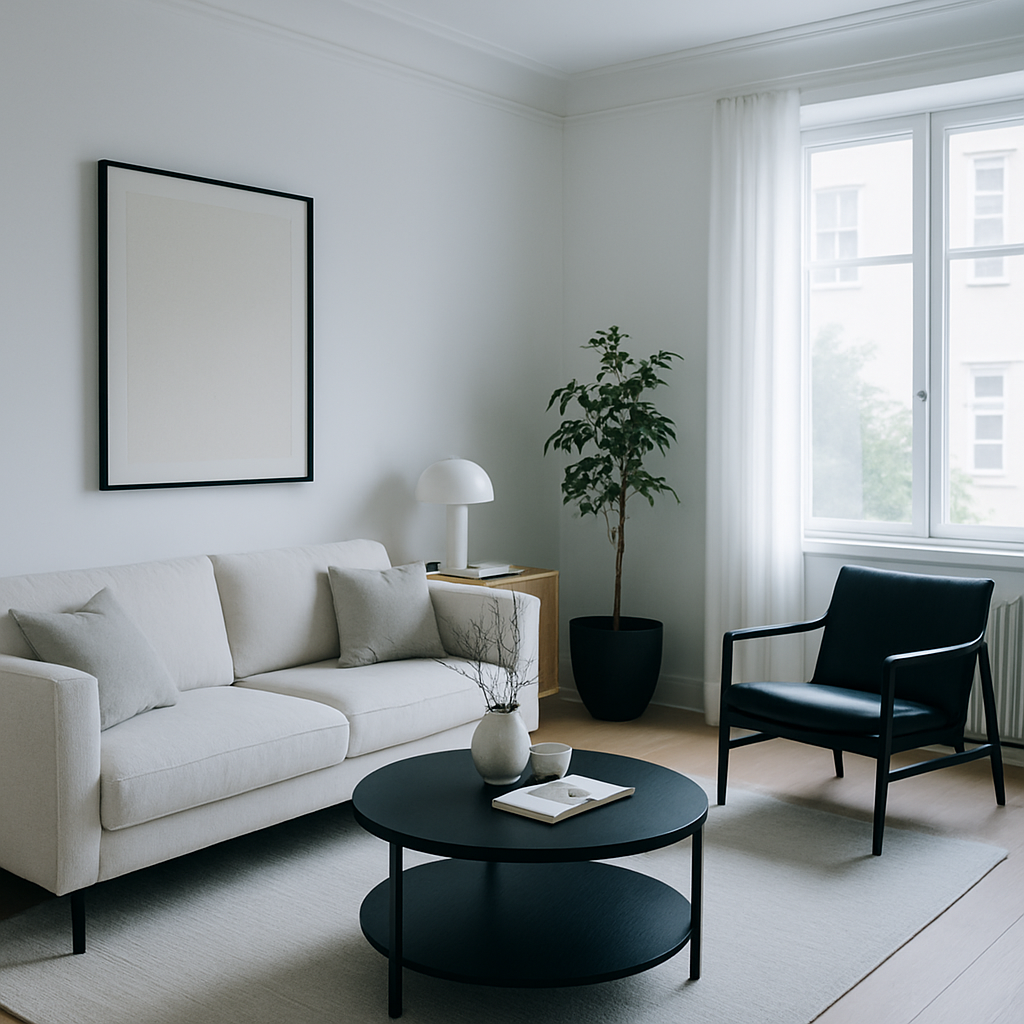
Imagine transforming a dull, uninspiring room into a vibrant space that exudes elegance and comfort. According to a recent Houzz survey, 74% of homeowners reported increased happiness with their homes after a redesign. But how do you get started on this path from a novice to a professional interior designer? The answer lies in finding the right online interior design courses. In this comprehensive guide, we'll explore foundational concepts, delve into advanced details, and offer actionable strategies to help you choose the perfect course for your aspirations.
Understanding the Basics: Foundational Concepts in Interior Design
Before diving into the world of color palettes and furniture layouts, it's crucial to grasp the foundational concepts of interior design. These basics form the bedrock upon which all successful designs are built. Key elements such as balance, harmony, and contrast are not merely artistic principles but essential guidelines that ensure a space feels cohesive and intentional. Understanding these elements allows you to craft spaces that are not only aesthetically pleasing but also functional.
Online courses for beginners often start by introducing these core principles. Platforms like Coursera and Skillshare offer introductory classes that cover topics such as spatial planning and material selection. These courses are typically designed to give you a broad understanding of interior design principles without overwhelming you with technical jargon. For instance, Coursera's "Introduction to Interior Design" course is structured to help you visualize how different elements come together to create a unified look.
Moreover, many courses incorporate interactive assignments that challenge you to apply what you've learned in real-world scenarios. This can be especially beneficial if you're looking to transition from theory to practice. By mastering these foundational concepts, you'll be better equipped to move on to more advanced topics in the field. As you become more comfortable with these principles, your confidence in tackling complex design challenges will grow, setting the stage for deeper learning.
Exploring Intermediate Concepts: From Theory to Practice
Once you've grasped the basics, it's time to delve deeper into intermediate concepts that bridge the gap between theory and practice. This stage often involves learning about the technical aspects of interior design, such as lighting design, color theory, and furniture arrangement. According to industry data, 60% of interior design projects see improved client satisfaction when designers effectively utilize lighting and color to enhance spatial dynamics.
Platforms such as Udemy and LinkedIn Learning offer courses that focus on these intermediate concepts. For example, Udemy's "Interior Design Masterclass" provides in-depth lessons on using lighting to transform a room's ambiance. It covers various types of lighting, from ambient to task lighting, and teaches you how to layer these effectively. LinkedIn Learning's courses often include expert-led tutorials that delve into color psychology, helping you understand how different hues can influence mood and perception.
These intermediate courses frequently include case studies and project-based learning, which are invaluable for reinforcing theoretical knowledge through practical application. By engaging with these materials, you can start to see how theoretical concepts play out in real-world settings. This not only enhances your design skills but also prepares you to tackle more complex projects with confidence. As you expand your skill set, you'll find yourself ready to explore even more sophisticated design challenges.
Advanced Strategies: Elevating Your Design Skills
For those aiming to transition from intermediate to advanced levels, mastering strategic design approaches is essential. As you refine your skills, you'll encounter more nuanced aspects of interior design, such as sustainable materials, biophilic design, and smart home integration. These advanced strategies are key to staying relevant in a field that increasingly values sustainability and technology.
One noteworthy trend is the integration of biophilic design, which emphasizes the use of natural materials and the connection between indoor spaces and the natural environment. Platforms like the American Society of Interior Designers (ASID) offer resources and courses that focus on sustainable design practices. These courses teach you how to select materials that minimize environmental impact while maximizing aesthetic appeal.
Smart home integration is another advanced strategy gaining traction. This involves incorporating technology such as automated lighting and climate control into your designs. Experienced professionals often note that incorporating these elements not only enhances a home's functionality but also increases its market value. As you explore these advanced strategies, you'll find yourself equipped to handle a wider range of design challenges, elevating your work to a professional standard.
Expert-Level Insight: Learning from the Best
To reach expert status in interior design, it's crucial to learn from those who have already paved the way. Engaging with expert-level courses and resources can provide you with insights that textbooks alone cannot. The National Council for Interior Design Qualification (NCIDQ) offers certification programs that are widely recognized as the gold standard in the industry. Holding an NCIDQ certification can significantly enhance your credibility and career prospects.
Architectural Digest's AD PRO network is another excellent resource for aspiring professionals. It offers a wealth of articles, case studies, and interviews with top designers, providing a glimpse into the minds of industry leaders. Through these resources, you can learn about the latest trends, such as Japandi design, which combines Japanese minimalism with Scandinavian warmth, creating spaces that are both serene and inviting.
Learning from experts also involves understanding the business side of interior design. Courses that cover client relations, project management, and budgeting are particularly valuable. They prepare you to manage your own projects effectively and build a successful career in the field. As you gain these insights, you'll be better positioned to make informed decisions, ensuring your designs are both innovative and practical.
Diving Deeper: Specialized Courses for Unique Interests
As you refine your skills, you may develop specific interests within the vast field of interior design. Whether it's focusing on residential spaces, commercial interiors, or a particular design style, specialized courses can cater to your niche interests. These courses offer in-depth knowledge that can set you apart in a competitive industry.
Platforms like Houzz and Pinterest are excellent for finding inspiration and specialized courses. Houzz's annual survey data provides insights into homeowner preferences, helping you tailor your designs to meet market demands. Pinterest's vast collection of design boards allows you to explore diverse styles and trends, such as quiet luxury and understated elegance, which are gaining popularity in 2026.
Specialized courses often include modules on procurement and installation, key phases in the design process. Understanding these elements is crucial for executing a project from concept to completion. By focusing on your specific interests, you can develop a unique style and approach that sets you apart in the industry. Are you ready to hone in on your niche and offer something truly distinctive?
Navigating Your Path: Final Perspectives on Course Selection
Choosing the right online interior design course can be overwhelming, given the plethora of options available. However, by aligning your course selection with your career goals and interests, you can streamline the process. Consider what aspects of interior design excite you the most and seek courses that specialize in those areas.
Think about the skills you need to develop to reach your desired level of expertise. Are you looking to improve your technical skills, or are you more interested in the creative aspects of design? By identifying your priorities, you can make informed decisions that will enhance your learning experience. Remember, the best courses are those that challenge you, inspire you, and provide you with the tools to succeed.
Ultimately, the path from beginner to pro is a journey of continuous learning and growth. With the right resources and dedication, you can transform your passion for interior design into a rewarding career. Ready to take the next step?
Conclusion: Charting Your Course in Interior Design
The world of interior design is vast and ever-evolving, offering endless opportunities for those willing to invest in their education and skills. From foundational concepts to expert-level insights, online interior design courses provide a comprehensive pathway for growth. By exploring the courses and resources outlined in this guide, you can tailor your learning journey to your personal and professional goals.
As you embark on this educational journey, remember that the most successful designers are those who combine creativity with a deep understanding of design principles and trends. Start by exploring platforms like Coursera, Udemy, and ASID this week. Even dedicating 20 minutes a day to research and learning can significantly sharpen your skills and eye for design. Are you ready to transform your passion into a profession? The world of interior design awaits your unique vision.



Comments
Post a Comment