Exploring 10 Unique Interior Design Styles to Transform Your Home
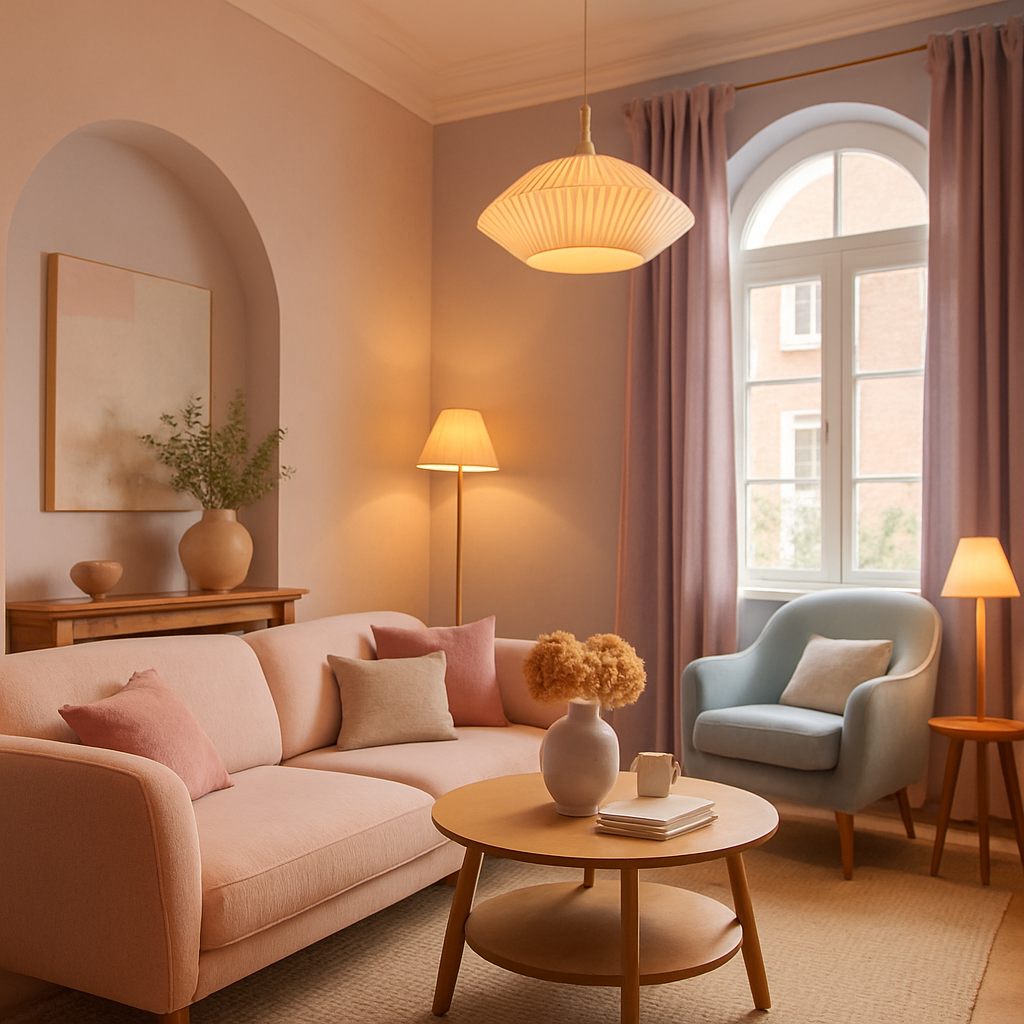
Imagine walking into a home that perfectly reflects your personality and lifestyle, a space that feels both inspiring and comfortable. According to Houzz's recent survey, 75% of homeowners believe that their interiors significantly impact their happiness and well-being. This statistic underscores the profound effect your environment has on your daily life. If you're eager to refresh your surroundings, exploring different interior design styles can offer a wealth of inspiration. This article will delve into ten distinct design styles, ranging from the minimalist elegance of Japandi to the dynamic fusion of eclectic design, providing you with the knowledge and tools to transform your home.
Understanding Foundational Interior Design Concepts
Before diving into specific design styles, it's essential to grasp some foundational interior design concepts that form the backbone of any aesthetic. At its core, interior design is about creating a harmonious balance between form and function. This balance ensures that a space is not only visually appealing but also practical for everyday use. The principles of scale, proportion, and color theory are crucial in achieving this balance. For instance, ensuring that the size of furniture pieces is appropriate for a room can prevent a cramped or sparse look.
Another key concept is the use of focal points. In interior design, a focal point can be a striking piece of art, a unique architectural feature, or a bold piece of furniture that draws the eye and anchors the room. It serves as the central theme around which the rest of the space is organized. Experienced professionals often note that establishing a strong focal point is critical to giving a room its defining character. Without it, a space might lack direction or cohesiveness.
Lastly, understanding the interplay between light and space is vital. Natural light can enhance colors and textures, making them appear more vibrant. When planning your design, consider how light enters and moves through your space. Are there areas that could benefit from additional lighting fixtures or mirrors to reflect light? These considerations are fundamental as we explore various design styles and how they can be tailored to your home.
Diving Deeper: Analyzing Key Design Styles
Now that we have a foundational understanding, let's explore some popular interior design styles that can dramatically transform your home. First on the list is the modern style, characterized by clean lines, a neutral color palette, and the use of materials like metal and glass. According to the American Institute of Architects (AIA), modern design continues to be a top choice for urban homes due to its sleek and uncluttered aesthetic. This style is perfect for those who appreciate simplicity and elegance.
In contrast, the bohemian style embraces a more eclectic approach. This style is all about rich patterns, vibrant colors, and an array of textures. It's a celebration of individuality and creativity. Data from Houzz indicates that the bohemian style is particularly popular among millennials who value self-expression and uniqueness in their living spaces. If you love mixing and matching different cultures and eras, this might be the perfect style for you.
On the opposite end of the spectrum is the Japandi style, a fusion of Japanese minimalism and Scandinavian warmth. This design philosophy emphasizes clean spaces, natural materials, and functional beauty. The International Interior Design Association (IIDA) highlights that Japandi is gaining traction as more people seek tranquility and simplicity in their homes. If you're looking for a style that promotes mindfulness and calm, Japandi offers an inviting retreat from the chaos of daily life.
Actionable Strategies for Home Transformation
Transforming your home into a space that reflects your chosen style requires more than just understanding the aesthetics; it involves actionable steps that bring your vision to life. Start by decluttering your space. This step not only clears the way for new design elements but also helps you identify what truly matters. Removing unnecessary items can make your space feel more open and inviting, regardless of the style you choose.
Next, consider investing in key pieces that define your chosen style. If you're drawn to modern design, opt for a statement piece of furniture with a minimalist silhouette, such as a sleek sofa or a glass coffee table. For those leaning towards bohemian, focus on acquiring bold textiles and eclectic accessories. Remember, it's about quality over quantity. A few well-chosen items can have a more significant impact than a room full of mismatched pieces.
Finally, don't underestimate the power of paint. Changing the color of your walls can dramatically alter the mood of a room. Are you considering a serene palette for a Japandi-inspired space or perhaps bold, warm tones for a bohemian vibe? Consider how different colors will interact with your existing furniture and decor. Painting is a relatively low-cost way to experiment with style and can serve as a canvas for your creativity.
Expert Insights into Interior Design Styles
Experienced interior designers often emphasize the importance of integrating personal elements into any design style. A home should not only reflect a particular aesthetic but also tell the story of its inhabitants. For instance, incorporating family heirlooms into a modern design can add layers of depth and personal significance. This approach ensures that your space is not just visually appealing but also meaningful.
Furthermore, many professionals advise considering the long-term implications of design choices. Trends come and go, but your home is a long-term investment. The National Council for Interior Design Qualification (NCIDQ) suggests opting for timeless elements that can adapt to changing styles. This might include investing in durable furniture pieces or choosing a neutral color palette that can easily be updated with accessories.
Another critical insight is the role of sustainability in contemporary design. As awareness of environmental impact grows, more designers are incorporating sustainable practices into their projects. This can mean selecting furniture made from reclaimed materials or using eco-friendly paints. The American Society of Interior Designers (ASID) reports that sustainable design not only benefits the environment but also enhances the health and well-being of occupants.
Exploring Additional Unique Design Styles
Beyond the styles we've discussed, several other design philosophies offer unique ways to transform your home. The industrial style, for example, is characterized by its raw and unfinished look. Exposed brick, metal fixtures, and reclaimed wood are staples of this aesthetic. It's a style that exudes strength and character, often favored by urban dwellers who appreciate a rugged and honest design.
On the lighter side, the coastal style brings the serenity of the seaside into your home. This style is defined by light, airy spaces, soft color palettes, and natural materials like jute and rattan. It's perfect for those who love the beach and want to capture that relaxed, breezy feeling in their everyday lives. According to Architectural Digest, coastal design is increasingly popular in both coastal and inland homes, offering a sense of escape and calm.
Lastly, consider the transitional style, which blends traditional and contemporary elements for a balanced and timeless look. This style allows for greater flexibility and personalization, making it accessible to a wide range of tastes. The NCIDQ notes that transitional design is ideal for those who appreciate the elegance of classic design but want to incorporate modern touches. It offers a sophisticated yet comfortable aesthetic.
Final Perspectives on Interior Design Transformation
As you explore these diverse interior design styles, it's essential to remember that the ultimate goal is to create a space that truly reflects who you are. Each style offers unique elements that can be tailored to fit your personality and needs. Whether you're drawn to the clean lines of modern design or the cozy layers of bohemian style, there's something for everyone.
Consider how you want your home to make you feel. Do you seek serenity and simplicity, or do you thrive in vibrant and eclectic environments? Your home should be a sanctuary that supports your lifestyle and aspirations. As you embark on your design journey, let your personal preferences guide your choices, ensuring that your home not only looks beautiful but also feels right for you.
Conclusion: Taking the Next Steps
In conclusion, exploring different interior design styles is a powerful way to transform your home and enhance your quality of life. Each style offers unique opportunities to express your individuality and create a space that resonates with you. Are you ready to take the next step in your design journey? Start by browsing designer portfolios on platforms like Houzz or Instagram this week. Even just 20 minutes of research can sharpen your eye for what you want. Remember, your home is a canvas for your creativity, so embrace the process and enjoy transforming your space into a reflection of who you are.



Comments
Post a Comment