Embrace Minimalism: Innovative Interior Design Ideas for a Clutter-Free Space
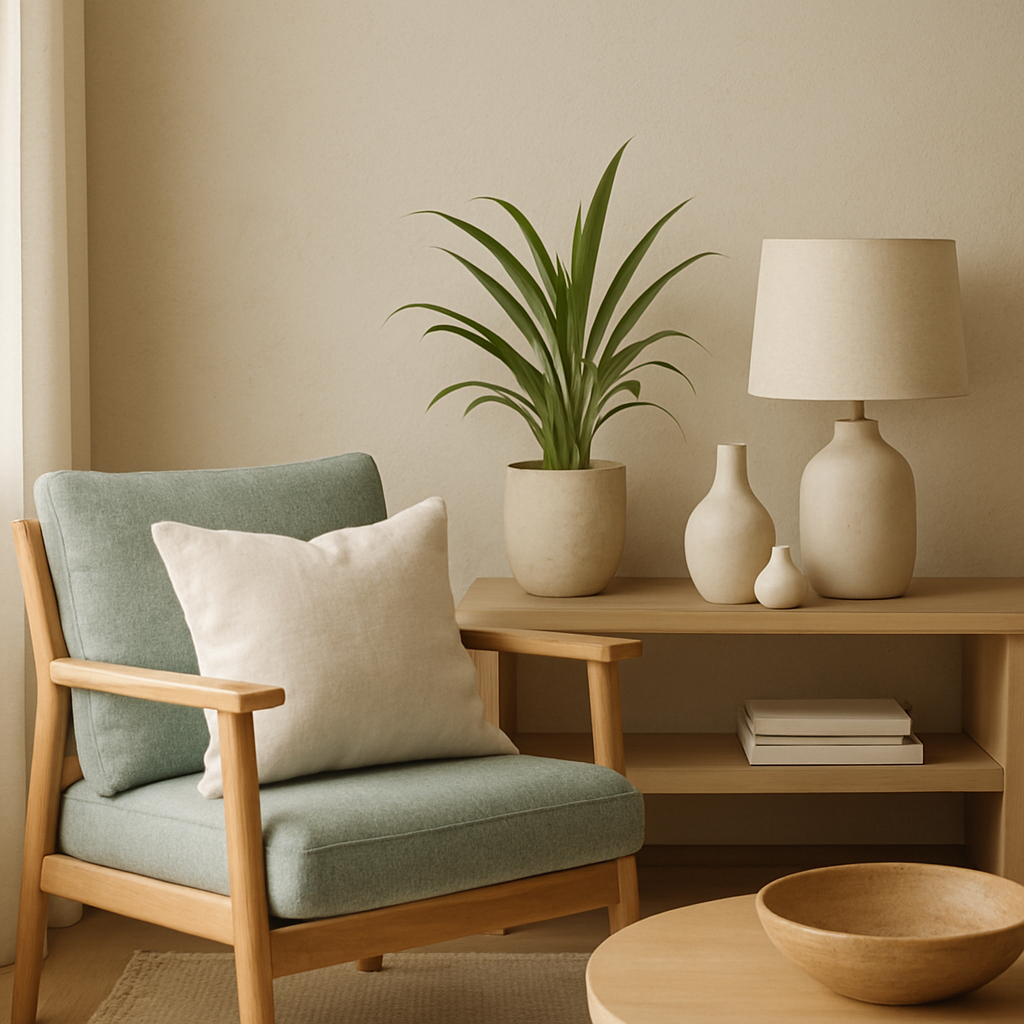
Do you ever feel overwhelmed by the sheer amount of stuff in your home? You're not alone. According to a study by the Los Angeles Times, the average American home contains over 300,000 items. This staggering number highlights a growing trend toward clutter, which many are now seeking to combat through minimalism. Embracing minimalism in interior design is more than just a trend-it's a lifestyle choice that promotes simplicity and functionality. This article will guide you through foundational concepts of minimalism, offer deeper insights backed by data, provide actionable strategies, and share expert-level details to help you create a clutter-free environment. Whether you're redesigning a room or an entire home, these innovative ideas will inspire your journey toward minimalism.
Understanding the Essence of Minimalism
At its core, minimalism is about paring down to the essentials. It's a design philosophy that focuses on simplicity, utility, and elegance. Minimalist interiors often feature clean lines, open spaces, and a limited color palette. The aim is to create an environment that fosters calm and clarity, allowing the occupants to focus on the essentials of life. This design approach is not just about aesthetics-it's about creating a functional space that enhances daily living.
One significant aspect of minimalism is the reduction of visual clutter. This means choosing furniture and decor with purpose, ensuring that each piece serves a function. For example, instead of having multiple small tables scattered around a room, a minimalist design might incorporate a single, multi-functional coffee table. This not only reduces clutter but also streamlines the space, making it more visually appealing.
Minimalism also emphasizes quality over quantity. Investing in fewer, higher-quality items can lead to greater satisfaction and longevity. For instance, rather than filling a room with inexpensive, trendy decor, a minimalist might choose a few timeless pieces that can withstand changing trends. This approach not only enhances the aesthetic of a space but also contributes to a more sustainable living environment.
The Minimalism Movement: Trends and Data
The rise of minimalism in interior design is well-documented. According to Houzz's annual survey, 78% of homeowners are interested in incorporating minimalist principles into their home renovations. This trend is driven by a desire for spaces that promote mental well-being and reduce stress. But what does this mean for you? It suggests that a minimalist home isn't just about style-it's about creating a sanctuary from the chaos of everyday life.
Data from the American Society of Interior Designers (ASID) reveals that homes with minimalist designs often have higher resale values. Specifically, well-designed minimalist spaces can increase a property's value by 5-15%. This statistic underscores the financial benefits of embracing minimalism, making it a smart investment for those considering selling their home in the future. Are you considering a renovation that could boost your property's market value?
Minimalism is also becoming increasingly popular due to its environmental benefits. The use of sustainable and reclaimed materials is a key trend within the minimalist movement. By choosing eco-friendly materials, homeowners can reduce their carbon footprint and contribute to a healthier planet. This aspect of minimalism ties into a broader societal push towards sustainable living, making it a pertinent choice for environmentally conscious individuals.
Actionable Strategies for a Minimalist Interior
Ready to transform your space into a minimalist haven? Start by decluttering. Begin with one room at a time, sorting items into categories: keep, donate, or discard. This process not only clears physical space but also mental clutter. Experienced professionals often note that decluttering can be a cathartic experience, allowing you to let go of items that no longer serve a purpose.
Next, consider the functionality of your space. Map out how you actually use each room-where do you drop your keys, where do the kids do homework, where do you unwind at the end of the day? This will help you determine which items are essential and which can be removed. For instance, if a particular piece of furniture isn't serving a practical purpose, it might be time to let it go.
Incorporate storage solutions that blend seamlessly with your decor. Built-in shelving, concealed cabinets, and multi-purpose furniture are excellent options for storing belongings without disrupting the minimalist aesthetic. Such solutions not only keep your space organized but also enhance its overall appearance. How can you integrate these strategies into your home today?
Expert Insights: Elevating Your Minimalist Design
While minimalism focuses on simplicity, it doesn't mean your space has to be devoid of personality. According to the International Interior Design Association (IIDA), incorporating personal touches is crucial to making a space feel like home. This could be through a carefully chosen piece of art or a single statement furniture item that reflects your taste.
Lighting plays a vital role in minimalist design. Natural light should be maximized wherever possible, as it enhances the open and airy feel of a space. Automated window treatments and smart lighting systems can be integrated to control the ambiance and functionality of lighting throughout the day. These elements add a modern touch to minimalist interiors while maintaining their simplicity.
Texture is another element to consider. By mixing different materials such as wood, metal, and natural fibers, you can add depth and interest to a minimalist space. This can be achieved through furniture, textiles, and even wall finishes. The key is to keep the color palette neutral to maintain the minimalist ethos while allowing the textures to add visual intrigue.
Delving Deeper: The Psychological Benefits of Minimalism
Minimalism isn't just a design choice-it's a lifestyle that can have profound psychological benefits. Studies suggest that cluttered environments can lead to increased stress and anxiety. By embracing minimalism, you not only create a visually appealing space but also promote mental well-being.
A minimalist home encourages mindfulness, allowing you to focus on the present moment. Without the distraction of excess belongings, you can better appreciate the space you inhabit and the activities you engage in. This can lead to a more fulfilling and content lifestyle. Have you noticed how a clutter-free space affects your mood and productivity?
Additionally, minimalism can foster creativity. With fewer distractions, your mind is free to explore new ideas and concepts. This can be particularly beneficial for those who work from home, as a minimalist environment can enhance focus and innovation. Consider how a minimalist workspace could improve your productivity and creative output.
Embracing Minimalism: Final Thoughts
Adopting a minimalist approach to interior design is a journey toward simplicity and intentional living. It's about creating spaces that not only look beautiful but also function efficiently. As you embark on this path, remember that minimalism is personal-it's about finding what works best for you and your lifestyle.
Whether you're drawn to the aesthetic appeal or the lifestyle benefits, minimalism offers a way to transform your home into a calming sanctuary. As you implement these ideas, you'll likely find that your home becomes a reflection of your values and priorities. Are you ready to embrace the freedom and peace that comes with a clutter-free space?
In conclusion, minimalism in interior design is a powerful tool for enhancing both your home and your quality of life. Start by browsing portfolios on platforms like Houzz to gather inspiration and refine your vision. Even 20 minutes of research can significantly sharpen your eye for minimalist design. Begin today, and take the first step toward a simpler, more fulfilling living environment.



Comments
Post a Comment