Eco-Friendly Interior Design Ideas for a Sustainable Home Makeover
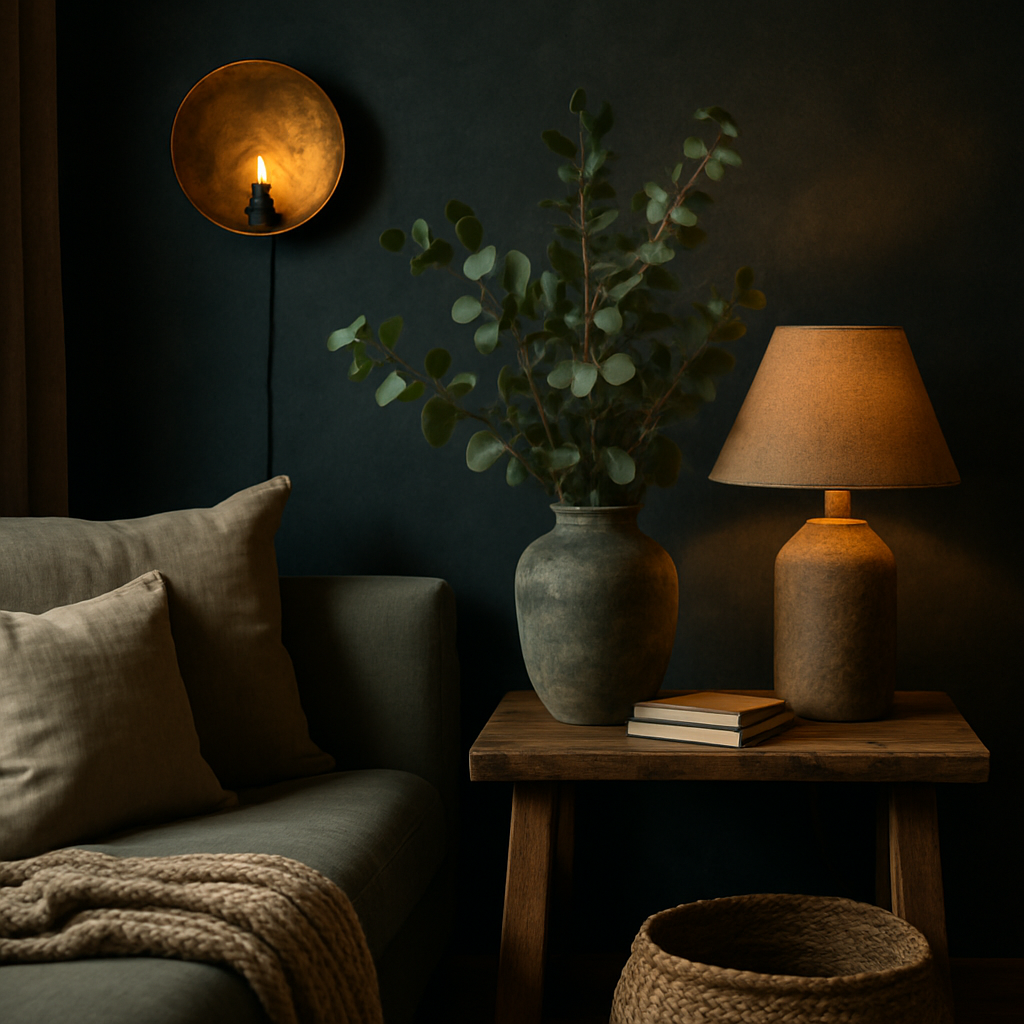
Imagine walking into a room where the air feels fresh, the materials tell a story of responsible sourcing, and every element serves both form and function. According to the U.S. Green Building Council, buildings account for 39% of carbon dioxide emissions in the United States. This statistic underscores the critical role that eco-friendly interior design can play in reducing our environmental footprint. In this article, we will explore sustainable design strategies that not only elevate your living spaces but also contribute to a greener planet. From foundational principles to expert insights, this comprehensive guide will equip you with the knowledge to embark on an eco-friendly home makeover.
Understanding the Basics of Eco-Friendly Design
At its core, eco-friendly interior design is about choices that minimize environmental impact. The approach begins with selecting materials that are sustainable, such as bamboo, reclaimed wood, and recycled metals, which reduce the demand for new raw materials. These materials not only lessen your carbon footprint but also often bring unique textures and stories into your home. For instance, reclaimed wood can add a rustic charm with its history etched into each piece.
Energy efficiency is another cornerstone of sustainable design. By opting for LED lighting, energy-efficient appliances, and smart thermostats, you can significantly lower your home's energy consumption. The Environmental Protection Agency (EPA) notes that LED bulbs use at least 75% less energy and last 25 times longer than incandescent lighting, translating to substantial savings over time. Consider how these changes could not only enhance your living environment but also reduce your utility bills.
However, eco-friendly design isn't solely about materials and technology. It involves a holistic approach that considers indoor air quality, waste reduction, and the overall lifecycle of products. Designers often emphasize the importance of selecting low-VOC (volatile organic compounds) paints and finishes to improve indoor air quality. This prioritization ensures a healthier living space, particularly vital for households with children and pets. As we delve deeper, think about which aspects of your home could benefit from these foundational eco-friendly principles.
The Role of Biophilic Design in Sustainability
Biophilic design, which emphasizes the human connection to nature, is gaining traction as a key component of sustainable interiors. This design philosophy incorporates natural elements like plants, natural light, and organic materials to create harmonious spaces that foster well-being. Studies suggest that integrating biophilic design can reduce stress and enhance productivity-benefits that are increasingly valued in today's fast-paced world.
One practical way to introduce biophilic elements is through living walls. These vertical gardens not only enhance aesthetics but also improve air quality by filtering pollutants and producing oxygen. According to Houzz, incorporating such features can transform indoor environments into lush, breathable spaces, making them ideal for urban homes where outdoor access might be limited. Imagine the impact of walking into a room that feels alive, with greenery that thrives alongside your lifestyle.
Natural light is another crucial aspect of biophilic design. Maximizing daylight through strategically placed windows and skylights can significantly reduce the need for artificial lighting. Architectural Digest's AD PRO network highlights that homes designed with an emphasis on natural light tend to have a more inviting and spacious feel. When planning your sustainable makeover, consider how you can harness natural light to create a bright and uplifting atmosphere.
Implementing Sustainable Practices in Your Home
Transitioning to an eco-friendly home doesn't require a complete overhaul. Start with small, impactful changes that align with sustainable practices. For instance, focus on waste reduction by repurposing furniture instead of purchasing new pieces. Upcycling projects, such as converting old dressers into bathroom vanities, not only add character but also extend the lifecycle of materials.
When it comes to textiles, opt for natural fibers like organic cotton, linen, and wool. These materials are not only biodegradable but also often produced using environmentally friendly processes. The American Society of Interior Designers (ASID) suggests that choosing textiles labeled as Global Organic Textile Standard (GOTS) certified ensures they meet rigorous environmental and social criteria. How might switching to these textiles transform the comfort and sustainability of your home?
Another practical strategy is to incorporate energy-efficient technologies. Smart home systems, for instance, allow you to automate lighting, heating, and cooling, optimizing energy use based on your daily routine. The integration of these technologies can lead to a more sustainable and responsive living environment. As you explore these options, consider which technologies would best suit your lifestyle and contribute to your sustainability goals.
Expert Insights on Sustainable Interior Design
Experienced professionals often note that the most successful eco-friendly projects are those that balance sustainability with personal style. The International Interior Design Association (IIDA) emphasizes the importance of working with certified interior designers who hold credentials like the NCIDQ (National Council for Interior Design Qualification). These professionals bring a wealth of knowledge in sustainable materials and practices, ensuring that your project adheres to industry standards.
Moreover, industry surveys suggest that investing in sustainable design can increase the resale value of your home by up to 15%. This statistic reflects a growing consumer preference for eco-conscious living environments. By prioritizing sustainability, you not only enhance your quality of life but also potentially boost your property's market appeal. Have you considered how a sustainable makeover might influence your home's long-term value?
Designers also recommend utilizing platforms like Pinterest and Houzz for inspiration and to connect with professionals experienced in sustainable design. These resources offer access to a vast array of design ideas and real-life project examples, helping you visualize how eco-friendly principles can be applied to your home. As you gather inspiration, think about how these ideas can be tailored to reflect your unique taste and environmental commitments.
Incorporating Cutting-Edge Trends for a Sustainable Future
2026 design trends are setting a new standard for sustainable interiors, with an emphasis on quiet luxury and understated elegance. This trend focuses on quality over quantity, encouraging the selection of timeless, durable pieces that withstand changing styles. By investing in high-quality, sustainably sourced furniture, you create a home that is both sophisticated and environmentally responsible.
Smart home integration continues to gain momentum, with advancements in lighting, climate control, and automated window treatments. These technologies not only enhance convenience but also contribute to energy savings and reduced environmental impact. The use of augmented reality (AR) and virtual reality (VR) tools is becoming more prevalent, allowing homeowners to visualize design changes and assess their sustainability in a virtual setting.
Sustainable and reclaimed materials remain a focal point, with a particular interest in biophilic and Japandi designs. Japandi blends Japanese minimalism and Scandinavian warmth, creating serene spaces that prioritize functionality and natural beauty. As you plan your sustainable makeover, consider how these trends can be integrated to create a harmonious and future-proof home environment.
Final Thoughts on Your Sustainable Home Journey
Embarking on an eco-friendly home makeover is a rewarding endeavor that benefits both you and the environment. By understanding the principles of sustainable design and leveraging expert insights, you can create a home that reflects your values and supports a healthier planet. Remember, the journey to sustainability is personal and can be tailored to fit your lifestyle and budget.
As you explore the possibilities, keep in mind that every small change contributes to a larger impact. Whether through material choices, energy-efficient technologies, or embracing biophilic design, each step brings you closer to a sustainable living environment. How will you begin your transformation today?
Conclusion
In conclusion, eco-friendly interior design offers a pathway to a more sustainable and aesthetically pleasing home. By integrating sustainable materials, energy-efficient technologies, and biophilic design elements, you can create spaces that are both beautiful and environmentally responsible. As you embark on this journey, remember to consult with certified professionals and utilize platforms like Houzz and Pinterest for inspiration.
Ready to take the next step? Start by browsing portfolios on Houzz this week-dedicating even 20 minutes to research will sharpen your eye for what you want. Whether you're aiming to revamp a single room or undertake a full-home makeover, embracing sustainability in your design choices will yield benefits for years to come. Your sustainable home transformation awaits-how will you begin?



Comments
Post a Comment