10 Stunning Interior Design Ideas to Transform Your Home in 2023
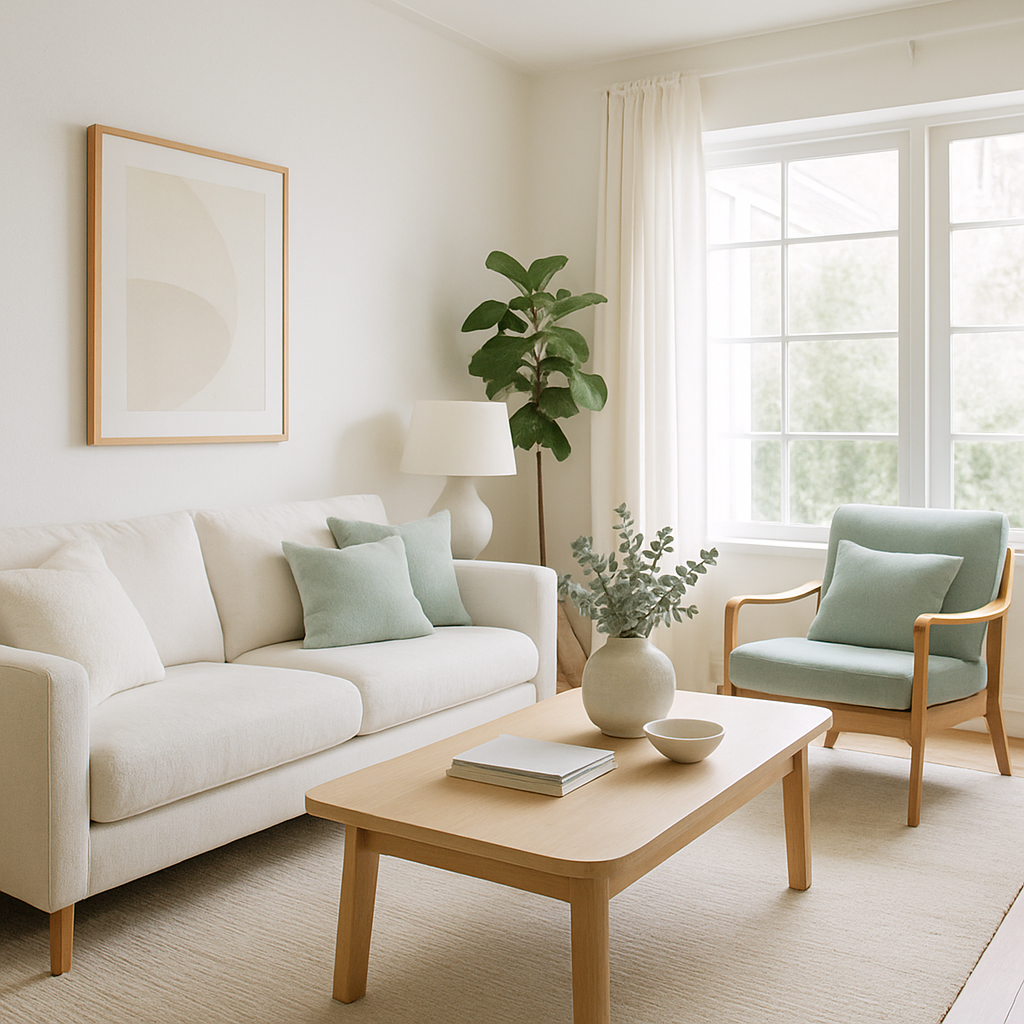
Have you ever walked into a room and instantly felt at ease, yet invigorated by its style? That's the magic of well-executed interior design. In 2023, the interior design landscape is brimming with exciting trends that promise to transform your living space into a masterpiece. From embracing the tranquility of Japandi aesthetics to integrating cutting-edge smart home technologies, this year's designs are both innovative and inviting. In this article, we'll explore ten stunning interior design ideas that can revitalize your home. Whether you're planning a complete overhaul or a simple refresh, these insights will guide you to make informed and inspired choices.
Understanding Foundational Design Concepts
Before diving into specific ideas, understanding foundational design concepts is crucial. One of the most significant trends emerging is biophilic design, which emphasizes creating a strong connection between indoor spaces and nature. This trend incorporates natural materials, such as wood and stone, and elements like living walls to bring the outdoors inside. According to a survey by Houzz, 65% of homeowners are incorporating natural elements into their home designs. The reason is simple: these elements not only enhance aesthetic appeal but also improve mental well-being by providing a calming atmosphere.
In addition to biophilic design, the principle of quiet luxury is gaining momentum. This concept focuses on understated elegance and quality over quantity. Think of spaces that exude sophistication through subtle color palettes, high-quality materials, and minimalistic decor. The International Interior Design Association (IIDA) notes that this trend aligns with a growing consumer desire for spaces that offer a retreat from the chaos of daily life. By prioritizing quality and simplicity, quiet luxury offers a timeless appeal that can elevate any home.
Finally, smart home integration is becoming an indispensable part of modern interior design. From automated lighting systems to climate control and smart window treatments, these technologies enhance convenience and efficiency. As the American Institute of Architects (AIA) highlights, smart home features are not just a luxury anymore but a staple in new home designs. Incorporating these technologies can significantly increase your home's functionality while offering a glimpse into the future of living spaces.
With these foundational concepts in mind, how can you apply them to your home? Let's explore specific design ideas that bring these principles to life.
Deep Dive into Design Trends with Data
To make informed decisions, looking at data-driven insights can be incredibly beneficial. According to the Houzz 2023 annual survey, homeowners are increasingly investing in home renovations, with spending at an all-time high. The average budget for a single-room redesign ranges from $5,000 to $15,000, while whole-home projects can reach upwards of $150,000. This surge in spending underscores a growing appreciation for the impact of well-designed interiors, which can increase resale value by 5-15%.
One of the standout trends identified in the survey is the rise of Japandi design, a harmonious blend of Japanese minimalism and Scandinavian warmth. This aesthetic is characterized by clean lines, functional furniture, and a neutral color palette that promotes tranquility and simplicity. The National Council for Interior Design Qualification (NCIDQ) emphasizes the importance of certified professionals when executing such distinct styles, as their expertise ensures that design principles are seamlessly integrated with functionality.
Another trend backed by data is the use of sustainable and reclaimed materials. As environmental awareness grows, more homeowners are opting for eco-friendly options. The American Society of Interior Designers (ASID) reports a 30% increase in the use of sustainable materials in home projects over the past year. This shift not only benefits the environment but also adds unique character and history to the home, making each piece truly one-of-a-kind.
Armed with these insights, we can now explore actionable strategies to incorporate these trends into your home design.
Actionable Strategies for Home Transformation
Wondering how to bring these trends into your home effectively? Start with a clear plan that aligns with your lifestyle and needs. Begin by mapping out how you use each room-where you relax, entertain, and work. This exercise will help you prioritize which areas to focus on and which design elements will enhance your daily routine. Experienced professionals often note that understanding your home's functionality is crucial before any design transformation.
Next, consider working with a certified interior designer to bring your vision to life. Professionals with NCIDQ, ASID, or IIDA credentials have the expertise to navigate complex design processes. They can assist with everything from concept development to design presentation, procurement, installation, and styling. This comprehensive approach ensures that your project is executed flawlessly, with attention to detail that transforms your ideas into reality.
Finally, take advantage of technology by using AR/VR room visualization tools. These cutting-edge applications allow you to see how different design elements will look in your space before committing. Platforms like Houzz and Architectural Digest's AD PRO offer resources and tools that can aid in this visualization process, helping you make informed decisions with confidence.
With these strategies in place, you're ready to explore expert-level details that will elevate your design choices even further.
Expert-Level Details for Distinctive Interiors
To truly set your home apart, incorporating expert-level details can make all the difference. One such detail is the strategic use of color and texture. Consider using a monochromatic color scheme with varying textures to add depth and interest to a room. This approach can create a cohesive look while allowing individual elements to stand out. Industry surveys suggest that homeowners who experiment with texture layers report higher satisfaction with their spaces.
Lighting is another critical element that can transform a room's ambiance. Layering different types of lighting-ambient, task, and accent-can create a dynamic environment. For instance, a combination of recessed ceiling lights, floor lamps, and under-cabinet lighting can provide both functionality and style. The AIA recommends consulting with lighting specialists to ensure that your lighting design enhances the overall aesthetic of your home.
Lastly, consider the impact of art and accessories. These elements offer an opportunity to inject personality and style into a space. When selecting art, opt for pieces that resonate with you personally and complement the overall design. Accessories like rugs, throws, and cushions can also add color and comfort, making your home inviting and personalized. Remember, it's these small details that often have the most significant impact.
As we delve deeper into additional aspects of interior design, consider how these expert-level details can be tailored to suit your unique space.
Additional Depth: Integrating Personal Touches
While trends provide a framework, personal touches are what truly make a space feel like home. Start by incorporating elements that reflect your personality and interests. Whether it's a gallery wall of family photos or a collection of travel souvenirs, these personal items tell your story and create a sense of familiarity and warmth. Houzz suggests that personalized spaces often resonate more deeply with homeowners, enhancing overall satisfaction.
Another way to add depth is by mixing old and new elements. Combine vintage pieces with modern furniture to create a timeless look that feels curated and unique. This juxtaposition of styles can add character and intrigue, making your home a reflection of your journey and tastes. The ASID notes that this blend of styles is increasingly popular among homeowners looking to create distinctive spaces.
Finally, consider the role of scent in your home. Fragrance is a powerful design tool that can influence mood and perception. Choose scents that complement the ambiance you wish to create. For instance, use calming lavender in the bedroom for relaxation, or invigorating citrus in the kitchen to energize the space. This sensory layer completes the design experience, making your home not only visually appealing but also emotionally engaging.
With these personal touches in mind, let's explore some final perspectives on integrating these ideas into your home.
Final Perspectives: Harmonizing Design Elements
As you consider transforming your home, harmonizing design elements is key to achieving a cohesive look. Begin by selecting a unifying theme or color palette that ties different rooms together. This creates a seamless flow from one space to the next, enhancing the overall aesthetic. Consistency in design elements, such as flooring or wall treatments, can also help unify your home.
Next, evaluate the proportion and scale of furniture and decor. Ensure that pieces fit the size of your rooms and complement each other. Overcrowding a space with furniture can make it feel cramped, while too little can leave it feeling sparse. The NCIDQ advises considering both scale and proportion to achieve balance and harmony within a room.
As you finalize your design plans, remember to embrace flexibility. Trends evolve, and personal tastes change, so it's important to design with adaptability in mind. Opt for modular furniture or versatile decor that can be easily updated or reconfigured. This flexibility allows your home to grow and change with you, ensuring it remains your sanctuary for years to come.
Conclusion: Transform Your Home Today
Incorporating these stunning interior design ideas into your home can transform it into a space that is both beautiful and functional. From understanding foundational concepts like biophilic design and quiet luxury to implementing actionable strategies and expert-level details, the possibilities are endless. Remember, the key to successful design lies in the balance of trends and personal touches, resulting in a home that reflects your unique style and meets your needs.
Are you ready to start your design transformation? Begin by browsing portfolios on platforms like Houzz and Instagram this week. Even 20 minutes of research can sharpen your eye for what you want, guiding you toward a home that truly resonates with you. Embrace the opportunity to create a space that brings joy and inspiration every time you walk through the door.


Comments
Post a Comment