10 Modern Interior Design Trends Dominating Homes in 2023
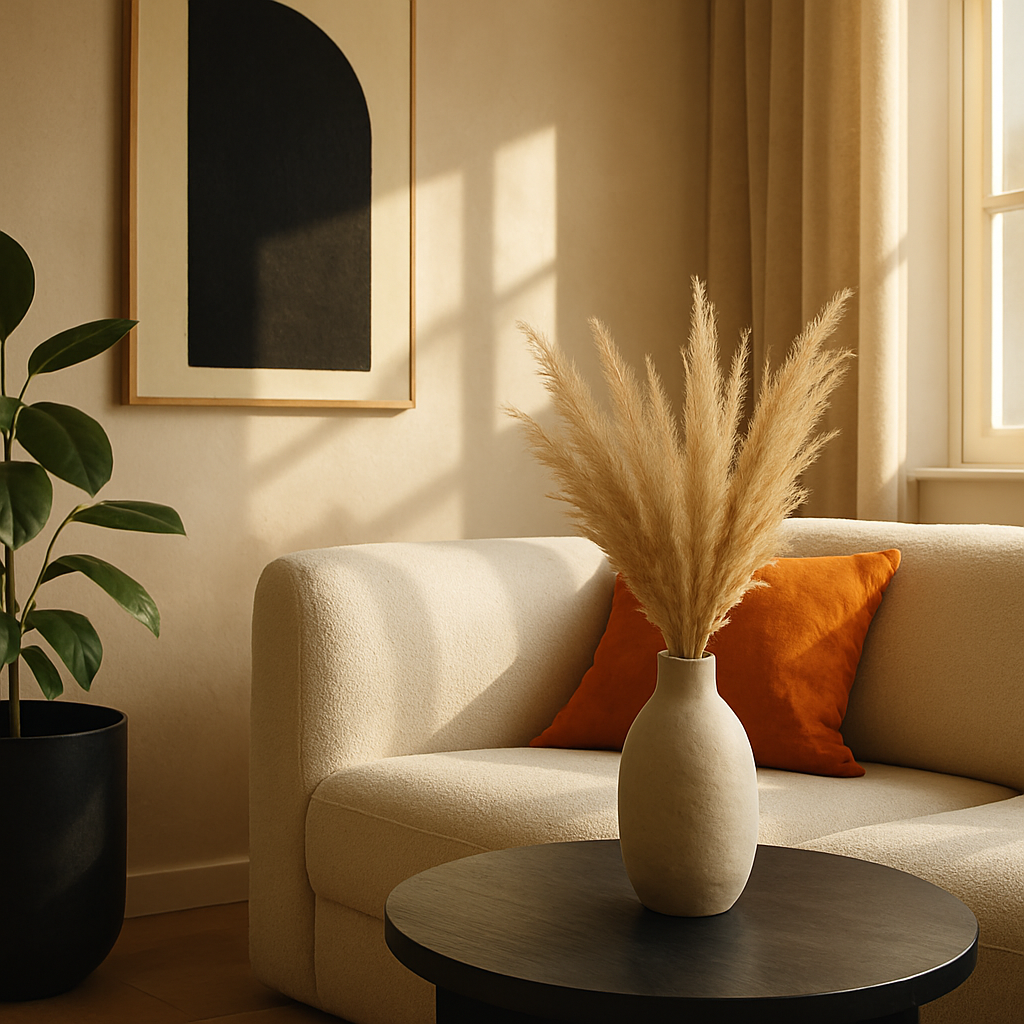
Have you ever walked into a room and instantly felt a sense of calm, only to realize that subtle design elements were working behind the scenes? In 2023, interior design trends have evolved to not only enhance aesthetics but also promote well-being. The focus has shifted towards spaces that are as functional as they are beautiful, incorporating technology and sustainability in innovative ways. This article explores the top 10 modern interior design trends that are reshaping homes this year. From biophilic design to smart home integration, these trends reflect a new era of thoughtful interiors. Ready to transform your living space? Let's delve into these trends and see how they can redefine your home.
Biophilic Design: Bringing Nature Inside
Biophilic design is leading the charge among 2023 interior design trends, emphasizing a deep connection between nature and interior spaces. This design philosophy integrates natural materials, light, and vegetation to create environments that promote well-being. Industry surveys suggest that incorporating natural elements can boost creativity and reduce stress levels significantly. For instance, think about how a living wall or a strategically placed indoor garden can transform a sterile office into a vibrant, productive workspace.
According to the American Society of Interior Designers (ASID), biophilic design is not just a fleeting trend but a response to our increasing need for nature in urban environments. Designers are using natural textures like wood and stone, and emphasizing window placements that optimize natural light. This trend is more than aesthetic; it's a lifestyle choice that prioritizes mental health. How can you incorporate elements of biophilic design into your home? Consider adding more houseplants or using furniture made from sustainably sourced materials.
The importance of this trend is underscored by its ability to create a serene atmosphere within any home. A well-executed biophilic design can increase property value and make spaces more appealing to potential buyers. As we move forward, expect this trend to become a staple in modern interior design. This naturally leads us to explore how technology is also playing a vital role in enhancing our living spaces.
Smart Home Integration: A Seamless Experience
In 2023, smart home technology is no longer a luxury but a standard feature in modern interior design. Homeowners are increasingly adopting smart lighting, climate control, and automated window treatments to create a more efficient and comfortable living environment. According to Houzz's annual survey, there has been a 20% rise in smart home installations, reflecting the growing demand for integrated technology in our daily lives.
Smart home integration allows for seamless control over various home functions through a single device, often a smartphone or tablet. Platforms like Google Home and Amazon Alexa have become household staples, enabling users to adjust lighting, temperature, and even security features with voice commands. Have you considered how smart technology could enhance your daily routine? Imagine waking up to natural light as automated shades gradually open or adjusting the thermostat from your phone before you even step inside.
Experienced professionals often note that the key to successful smart home integration is ensuring that technology complements the design rather than dominates it. Choosing devices that blend with your home's aesthetic is crucial. This trend not only improves convenience but also boosts energy efficiency, making it an attractive option for environmentally-conscious homeowners. As technology continues to advance, its role in interior design will only expand, setting the stage for further innovations.
Quiet Luxury: Understated Elegance
Quiet luxury is a trend that embodies the notion of less is more, focusing on quality over quantity. This style emphasizes subtle opulence through high-quality materials and craftsmanship, creating spaces that exude elegance without ostentation. Architectural Digest's AD PRO network highlights the growing preference for spaces that whisper sophistication rather than shout it.
The appeal of quiet luxury lies in its timelessness. Using neutral color palettes, minimalist furniture, and high-end finishes, this trend creates environments that feel both luxurious and comfortable. For example, a living room adorned with plush textiles and understated artwork can become a personal sanctuary. Are you looking for ways to incorporate quiet luxury into your home? Start by selecting foundational pieces that offer comfort and style, such as a well-crafted sofa or a classic armchair.
Moreover, quiet luxury often involves investing in fewer, but higher-quality pieces that stand the test of time. This approach not only enhances the aesthetic appeal of a space but also contributes to sustainability by reducing waste. As more homeowners seek to create lasting impressions without excess, quiet luxury is set to remain a defining trend in 2023 and beyond. This understated elegance naturally complements another significant trend: sustainable design practices.
Sustainable and Reclaimed Materials
Sustainability has become a central theme in modern interior design, with an increasing number of homeowners opting for eco-friendly materials. The use of reclaimed wood, recycled metals, and low-VOC (volatile organic compounds) paints is on the rise, as consumers become more environmentally conscious. According to the International Interior Design Association (IIDA), incorporating sustainable practices is not just ethical but also economically advantageous, potentially increasing property value by up to 15%.
One popular aspect of this trend is the use of reclaimed wood in flooring and furniture. Not only does this give materials a second life, but it also adds unique character to a home. For instance, a dining table made from reclaimed barn wood can serve as a conversation starter while showcasing a commitment to sustainability. Have you considered how using reclaimed materials could enhance your home's aesthetic and environmental footprint?
Designers are also turning to sustainable textiles, such as organic cotton and wool, to create eco-friendly interiors. By choosing materials that are both durable and ethically sourced, homeowners can enjoy beautiful spaces that align with their values. As awareness of environmental issues continues to grow, sustainable design practices will become increasingly integral to modern interiors. This focus on sustainability ties seamlessly into the next trend: the fusion of different cultural aesthetics.
Japandi: The Art of Cultural Fusion
Japandi design, a harmonious blend of Japanese minimalism and Scandinavian warmth, has captured the attention of designers and homeowners alike. This trend combines the elegant simplicity of Japanese interiors with the cozy functionality of Scandinavian design, resulting in spaces that are both serene and inviting. According to the National Council for Interior Design Qualification (NCIDQ), Japandi is gaining traction as a preferred style for those seeking balance and tranquility.
The essence of Japandi lies in its use of natural materials and muted color palettes, creating environments that feel calming yet sophisticated. Think of low-profile furniture, clean lines, and a focus on craftsmanship. For example, a Japandi-inspired living room might feature a simple wooden bench paired with soft, neutral-toned cushions and a few carefully selected decorative items.
This trend encourages a decluttered lifestyle, emphasizing functionality and mindfulness. By choosing multifunctional furniture and avoiding excess, Japandi design promotes a sense of peace and focus. As cultural exchanges continue to influence interior design, the fusion of styles like Japandi will remain relevant, inspiring homeowners to create spaces that reflect their unique experiences and tastes. This cultural fusion naturally leads into the final trend: the use of advanced visualization tools.
AR/VR Room Visualization: Designing the Future
Augmented Reality (AR) and Virtual Reality (VR) have revolutionized the way designers and homeowners conceptualize and plan interior spaces. These cutting-edge tools allow users to visualize potential layouts, furniture arrangements, and design elements before making any physical changes. According to Houzz, the use of AR/VR in interior design has increased by nearly 30% in recent years, reflecting its growing importance in the industry.
AR/VR technology enables users to virtually walk through a space and experience design options firsthand. This immersive experience helps in making informed decisions, reducing the risk of costly mistakes. Have you ever struggled to choose between two paint colors or furniture styles? With AR/VR tools, you can see exactly how each option will look in your space, taking the guesswork out of design.
The adoption of these technologies represents a significant step forward in personalized interior design. As the technology becomes more accessible, it will empower homeowners to take a more active role in their design projects, ensuring that their spaces are tailored to their specific needs and preferences. As we conclude our exploration of 2023's top interior design trends, consider how these innovations might influence your next project.
Conclusion: Embrace the Future of Interior Design
The landscape of interior design in 2023 is rich with innovation and purpose, offering homeowners numerous ways to enhance their living spaces while reflecting their values and lifestyles. From the calming presence of biophilic design to the cutting-edge capabilities of AR/VR visualization tools, these trends offer something for everyone. As you consider updating your home, which of these trends resonate with you the most?
Whether you're drawn to the simplicity of Japandi or the convenience of smart home technology, the key is to create spaces that are both functional and beautiful. Start by browsing portfolios on Houzz or Instagram to gather inspiration and identify the elements that appeal to you. Even a brief, 20-minute session of research can sharpen your eye for design and help you make more informed choices.
Ready to take the next step in transforming your home? Begin by consulting with a certified interior designer who can guide you through the process and ensure that your vision becomes a reality. Embrace the trends that speak to you and enjoy the journey of creating a home that is uniquely yours.



Comments
Post a Comment