10 Essential Principles of Interior Design Every Homeowner Should Know
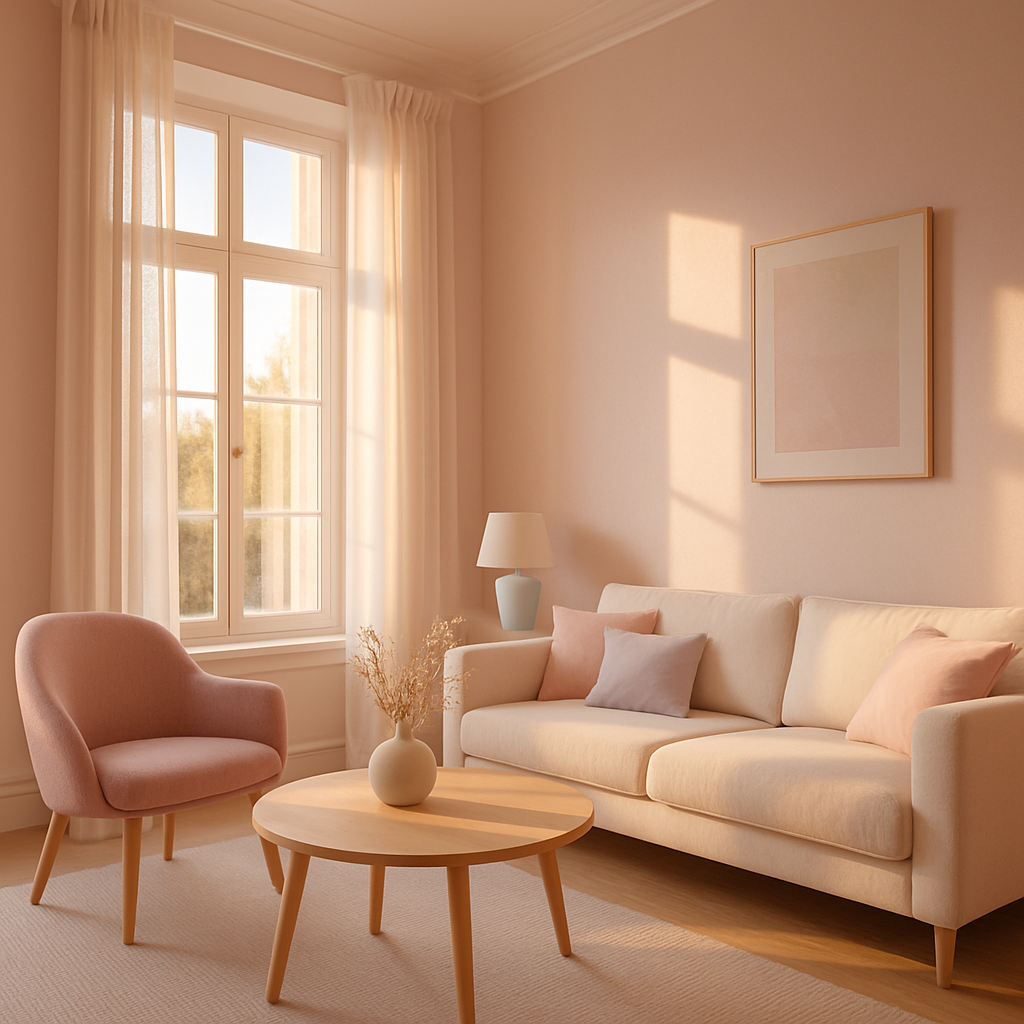
Imagine walking into a room that immediately makes you feel at ease, where every piece of furniture and decor seems perfectly placed. This isn't just a dream; it's the result of applying essential principles of interior design. According to the American Society of Interior Designers (ASID), well-executed design can enhance both your living experience and your home's resale value by 5-15%. In this article, we'll explore these principles, from foundational concepts to expert-level insights, empowering you to transform your home into a sanctuary of style and comfort.
Understanding the Basics of Balance
Balance in interior design refers to the distribution of visual weight within a space. Achieving balance involves arranging furniture, colors, and decor to create a sense of equilibrium. There are three types of balance: symmetrical, asymmetrical, and radial. Symmetrical balance is achieved by mirroring elements on either side of a central point, like a classic dining room setup. This type of balance is often more formal and traditional.
Asymmetrical balance, on the other hand, involves different elements that have equal visual weight but are not identical. This method is more casual and dynamic, often seen in contemporary and eclectic designs where a large sofa might be balanced by a group of chairs. Radial balance is less common but can be found in rooms where elements radiate around a central point, such as a circular dining table.
Understanding these types of balance can help you decide how to arrange your furnishings and decor. For instance, if your living room feels off, consider whether it lacks balance. Perhaps a large armchair could be offset with a tall plant or a floor lamp. By consciously applying balance, you create spaces that feel harmonious and inviting, setting the stage for the other principles of interior design.
Harmony and Unity in Design
Harmony and unity are pivotal in achieving a cohesive design that flows seamlessly from room to room. These principles ensure that all parts of a home work together to create a unified whole. According to Houzz, a leading platform for home remodeling and design, homeowners who prioritize unity in their design report higher satisfaction with their spaces.
To achieve harmony, it's crucial to select a color palette that is consistent throughout your home. For example, choosing complementary colors or varying shades of the same color can tie different areas together. Unity, meanwhile, involves using similar materials, textures, and finishes across different rooms. If your kitchen features stainless steel appliances, consider incorporating similar metallic accents in your living room or dining area.
This principle is not just about aesthetics; it also affects how you feel in your space. When your home feels unified, it's more relaxing and easier to navigate. If you're struggling to achieve this, experienced professionals often note that a mood board can be an invaluable tool. By visually mapping out your ideas, you can see how different elements will interact and make adjustments before committing.
Emphasizing Functionality
While aesthetics are important, functionality should never be overlooked. A beautifully designed room is of little use if it doesn't serve its intended purpose. For example, a living room should accommodate seating for family and guests, while a kitchen should be designed for efficient cooking and food preparation. According to a survey by the National Council for Interior Design Qualification (NCIDQ), functionality is often a top priority for homeowners when planning a space.
One actionable strategy to enhance functionality is to map out how you actually use each room. Consider where you drop your keys, where the kids do homework, and where you prefer to relax at the end of the day. This practical approach ensures that your design aligns with your lifestyle. For instance, if you often entertain, prioritize flexible seating arrangements and easy access to dining areas.
Functionality also involves considering the flow of movement within a space. Ensure that pathways are unobstructed and furniture placement doesn't impede movement. This might mean opting for a smaller coffee table or rearranging chairs to open up space. By prioritizing functionality, you create a home that is not only beautiful but also easy to live in.
Incorporating Focal Points
Every well-designed room features a focal point that draws the eye and anchors the space. This could be a bold piece of artwork, a statement fireplace, or a stunning view from a window. Focal points provide a sense of order and help to guide the viewer's attention, making spaces feel intentional and complete.
Creating a focal point can be as simple as highlighting an existing architectural feature or as involved as installing a large piece of art. If your room lacks a natural focal point, consider using a bold color or dramatic pattern to create one. For example, a brightly colored accent wall can effectively serve this purpose.
Expert interior designers often recommend using lighting to emphasize focal points. A well-placed spotlight can draw attention to a piece of art, while pendant lights can highlight a dining table. By thoughtfully incorporating focal points, you can elevate the design of your space, creating areas that captivate and engage.
Exploring Textures and Patterns
The use of textures and patterns adds depth and complexity to interior design. Mixing different textures-such as smooth, glossy surfaces with rough, matte finishes-can create visual interest and tactile appeal. Patterns, whether geometric, floral, or abstract, can infuse a room with personality and style.
According to the International Interior Design Association (IIDA), incorporating a variety of textures and patterns is a hallmark of sophisticated design. Begin by selecting a dominant texture or pattern as the primary element, then layer in complementary ones. For instance, a plush velvet sofa can be paired with a nubby wool rug and silk pillows for a rich, inviting living area.
However, it's important not to overdo it. Too many competing textures and patterns can make a space feel chaotic. A good rule of thumb is to balance bold patterns with neutral textures, ensuring that no single element overwhelms. By carefully curating textures and patterns, you add depth and interest to your rooms, enhancing both visual and tactile experiences.
Final Perspectives on Interior Design
As you delve deeper into the principles of interior design, remember that the ultimate goal is to create a space that reflects your personality and meets your needs. Interior design is not just about following trends; it's about making choices that enhance your life. Are you prioritizing both form and function in your design choices?
Experienced professionals often emphasize the importance of adaptability. As your lifestyle and preferences evolve, so too should your living spaces. This might involve refreshing a color scheme, updating furniture, or rethinking room layouts. The best designs allow for flexibility and can be easily adjusted as needed.
By internalizing these principles and applying them thoughtfully, you can create a home that is both stunning and functional-a true reflection of you. Whether you're starting from scratch or revamping an existing space, these insights provide a roadmap for achieving design harmony.
Conclusion
Interior design is an art and science that transforms ordinary spaces into extraordinary havens. By understanding and applying these essential principles-balance, harmony, functionality, focal points, and texture-you can elevate your home's design and enhance your quality of life. Have you identified areas in your home that could benefit from a design overhaul?
To get started, browse designer portfolios on Houzz or consult with certified professionals from the ASID or IIDA. Even a short session can provide valuable insights and direction. Begin by identifying your design priorities and exploring resources that align with your vision. Start by browsing portfolios on Houzz this week-even 20 minutes of research will sharpen your eye for what you want.



Comments
Post a Comment