10 Essential Elements of Modern Traditional Interior Design for Your Home
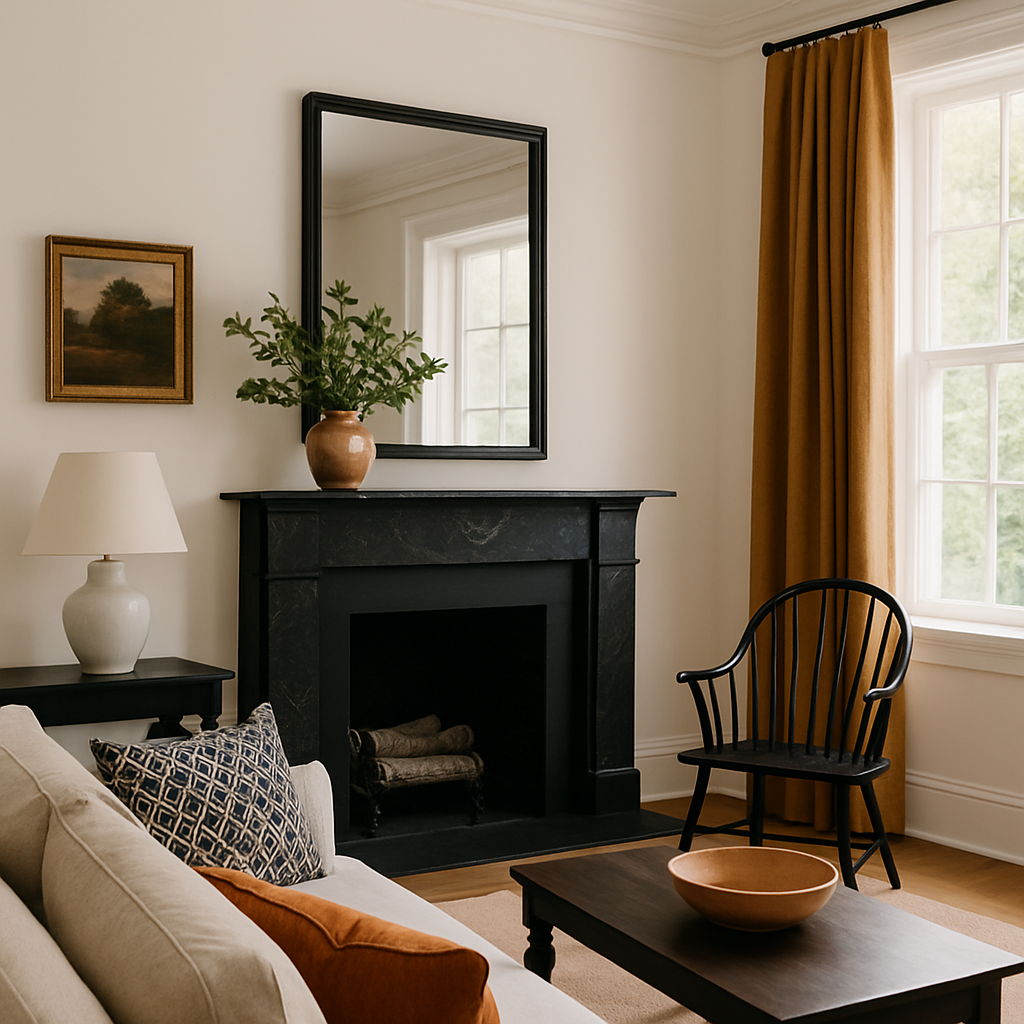
Imagine walking into a room that seamlessly blends the warmth and familiarity of traditional interiors with the sleek sophistication of modern design. This is the essence of modern traditional interior design, a style that has captivated homeowners and designers alike. According to the American Society of Interior Designers (ASID), this hybrid style is among the fastest-growing trends of 2026, as it offers both versatility and timeless appeal. In this article, we will explore the 10 essential elements that define modern traditional interior design, offering you a comprehensive guide to transform your space. From foundational concepts to expert-level details, this journey will equip you with the knowledge needed to create a harmonious home.
Understanding the Foundations of Modern Traditional Design
At the heart of modern traditional interior design is the seamless integration of classic and contemporary elements. This style appreciates the past while embracing the present, combining the best of both worlds to create spaces that are both elegant and functional. The key is to maintain a balance between the ornate details of traditional design and the clean lines of modern aesthetics. This balance is often achieved through the use of neutral color palettes, which serve as the perfect backdrop for both intricate patterns and minimalist furnishings.
Experienced designers often note that the choice of materials plays a crucial role in achieving this balance. Rich woods, such as mahogany and walnut, are paired with sleek metals like stainless steel or chrome to create a harmonious contrast. This not only adds depth to the space but also reinforces the style's dual nature. According to the National Council for Interior Design Qualification (NCIDQ), a certification that sets the standard for interior design professionals, the use of high-quality materials is essential for achieving a polished look.
Additionally, the incorporation of architectural details, such as crown molding and coffered ceilings, is a hallmark of modern traditional design. These elements provide a nod to classical architecture while allowing for modern adaptations. The result is a space that feels both timeless and current, inviting homeowners to enjoy the best of both eras. As we delve deeper, we'll explore how these foundational concepts are further enhanced by specific design strategies.
Analyzing the Appeal: Data and Trends
Modern traditional interior design has gained popularity, not just because of its aesthetic appeal, but also due to its practical benefits. According to a survey by Houzz, homeowners who incorporate this style report higher satisfaction rates and increased home value. In fact, well-designed interiors, including modern traditional styles, can boost home resale value by as much as 5-15%. This data underscores the financial wisdom of investing in a design style that is both beautiful and beneficial.
The trend towards modern traditional interiors is also fueled by a growing desire for sustainability. Homeowners and designers are increasingly incorporating sustainable practices and materials, aligning with broader environmental goals. The use of reclaimed wood and energy-efficient lighting are just a few examples of how this style supports sustainability. The International Interior Design Association (IIDA) highlights that eco-friendly practices are becoming a standard expectation among clients, further driving the popularity of this design approach.
Furthermore, the incorporation of smart home technology is seamlessly integrated into modern traditional design. From automated window treatments to smart lighting systems, these technologies enhance the functionality of the space without detracting from its aesthetic. The result is a home that is not only visually appealing but also equipped to meet the demands of contemporary living. As we proceed, we'll explore actionable strategies for implementing these elements in your own home.
Implementing Actionable Strategies in Your Home
Ready to bring modern traditional design into your home? Start by taking a critical look at your existing space and identifying areas that could benefit from a balanced mix of styles. Begin with the color palette; neutral tones such as taupe, beige, and soft grays provide a versatile base for layering textures and patterns. Once you establish your palette, consider introducing classic furniture pieces like a tufted sofa or a wingback chair. These timeless items can be paired with modern accessories like geometric rugs or abstract art to create a cohesive look.
Another effective strategy is to focus on lighting, which plays a pivotal role in modern traditional design. Layered lighting, achieved through a combination of chandeliers, sconces, and floor lamps, provides both functional and aesthetic benefits. Aim for fixtures that blend classic shapes with contemporary finishes, such as a crystal chandelier with a matte black frame. This approach not only illuminates the space but also adds a touch of elegance and sophistication.
Consider utilizing textiles to add warmth and comfort to your rooms. Luxurious fabrics such as velvet, silk, and linen can be employed in curtains, cushions, and upholstery to enhance the tactile experience of your home. By carefully selecting textiles that complement your color scheme and furniture, you can create a space that feels inviting and well-curated. As we continue, we'll delve into expert-level details that will refine your modern traditional design.
Expert Insights on Refining Your Design
For those seeking to elevate their modern traditional interiors, expert insights can provide invaluable guidance. One tip from the Architectural Digest's AD PRO network is to pay attention to scale and proportion. Large, overstuffed furniture pieces can overwhelm a space, while undersized items may feel out of place. Strive for harmony by choosing pieces that complement each other in size and scale, maintaining balance throughout the room.
Experienced professionals often suggest incorporating art and accessories mindfully. Rather than filling walls with numerous small pieces, opt for a few larger, impactful artworks that resonate with you. This approach not only creates a focal point but also contributes to the overall cohesion of the design. The use of mirrors is another strategic element; strategically placed mirrors can enhance natural light and create the illusion of more space, perfect for smaller rooms.
Finally, consider the role of plants in your design. The biophilic trend, which emphasizes the connection between nature and interiors, is particularly suited to modern traditional design. Incorporating greenery through indoor plants or even a living wall can add a dynamic and refreshing element to your home. As we move forward, we'll explore additional ways to deepen your understanding of modern traditional design.
Adding Depth with Additional Details
To truly master modern traditional interior design, attention to detail is paramount. One often-overlooked aspect is the selection of hardware and fixtures. Opt for hardware that complements both the traditional and modern elements of your design, such as brass handles on contemporary cabinets or sleek chrome faucets paired with classic porcelain sinks. These small details can significantly impact the overall cohesion of your space.
Another layer to consider is the use of patterns and prints. Classic patterns like damask or toile can be reimagined in modern colorways to add a contemporary twist. When used sparingly on accent walls or upholstery, these patterns can create visual interest without overwhelming the space. Additionally, consider mixing patterns, such as pairing a striped rug with floral cushions, to add a playful yet sophisticated touch.
Finally, don't overlook the power of personal touches. Incorporating family heirlooms or travel souvenirs can add a unique and personal dimension to your home. These items not only tell a story but also enrich the design with layers of meaning and history. As we approach the conclusion, we'll wrap up with final perspectives on bringing modern traditional design to life.
Final Perspectives on Modern Traditional Design
Embracing modern traditional interior design is not just about following trends; it's about creating a home that reflects your personality and lifestyle. By thoughtfully integrating the 10 essential elements we've explored, you can craft a space that is both timeless and tailored to your needs. Whether you're starting from scratch or updating an existing room, the principles of balance, contrast, and harmony should guide your decisions.
Modern traditional design offers the flexibility to evolve with you, accommodating changes in taste and lifestyle over time. As you experiment with different combinations of traditional and modern elements, remember that the ultimate goal is to create a space that feels authentic and comfortable. Are you ready to embark on this design journey and transform your home into a modern traditional masterpiece?
Let's wrap up by considering how you can start implementing these ideas today. In the following section, we'll provide a clear call to action to help you take the next step in your design journey.
Conclusion
In summary, modern traditional interior design is a sophisticated blend of past and present, offering a versatile and enduring style for your home. By incorporating the essential elements we've discussed, you can create a space that is both elegant and functional. Remember, the key to success lies in balancing traditional charm with modern simplicity, resulting in a harmonious and inviting environment.
To take the first step in your design transformation, start by browsing designer portfolios on platforms like Houzz and Instagram for inspiration. Even a short 20-minute session can sharpen your eye for what resonates with you. As you explore, consider reaching out to certified interior designers with credentials like NCIDQ or affiliation with the IIDA for professional guidance. Your modern traditional home awaits, ready to reflect your personal style with grace and sophistication.



Comments
Post a Comment