10 Essential Elements of Luxury Interior Design for a Sophisticated Space
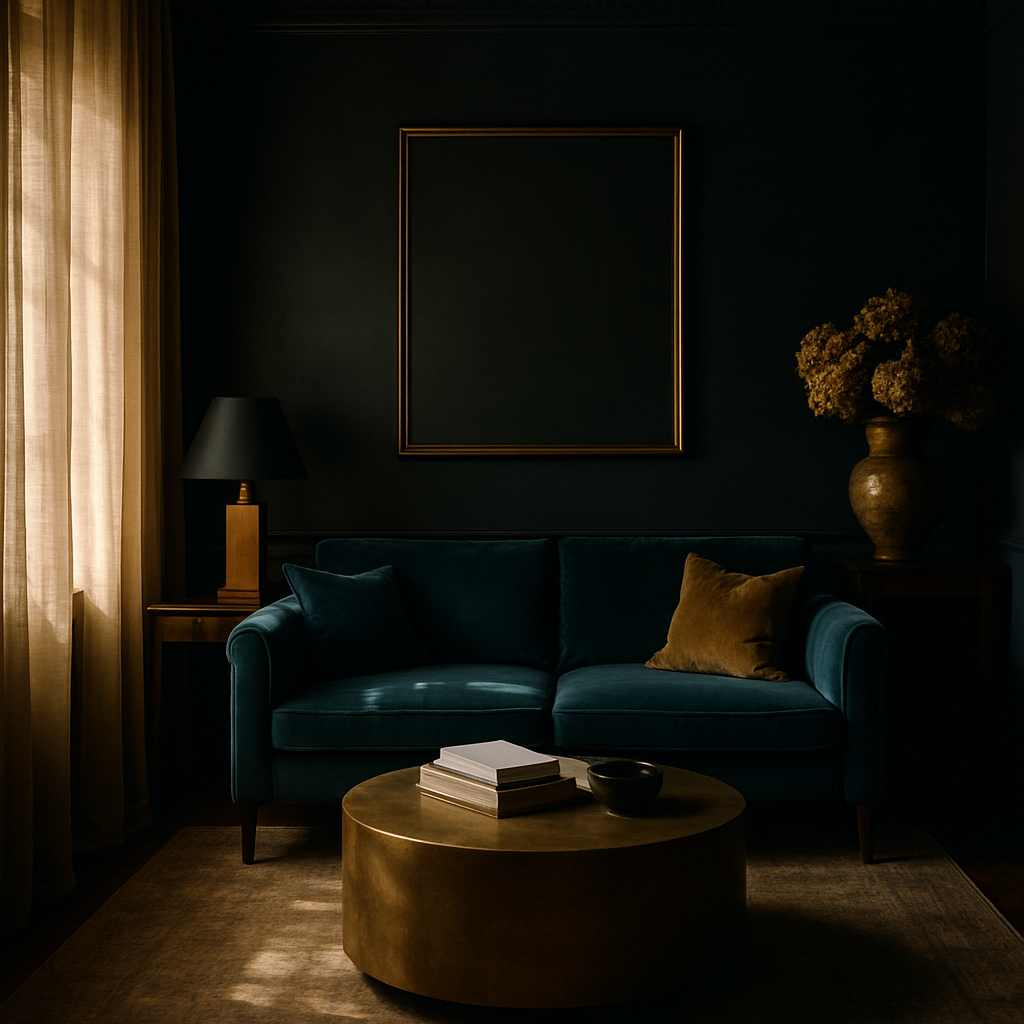
Have you ever walked into a room that instantly felt opulent yet inviting? This is the magic of luxury interior design. According to a Houzz survey, well-designed interiors can boost property values by 5-15%, making the investment in luxury design not just an aesthetic choice but a financial one too. In this article, we will explore the ten essential elements that define luxury in interior design. From foundational principles to actionable strategies, you will gain insights into creating a space that embodies sophistication. Whether you're a homeowner considering a redesign or an enthusiast seeking inspiration, these elements will guide you in crafting a timeless and elegant interior.
Understanding the Foundation of Luxury Design
At the heart of luxury interior design lies the principle of quality over quantity. This is not about filling a space with expensive items; rather, it's about selecting high-quality pieces that stand out through craftsmanship and design. Experienced professionals often note that a single well-placed designer piece can elevate an entire room. The focus is on materials like marble, walnut, and silk, which offer both durability and aesthetic appeal.
Another foundational concept is the balance between form and function. Luxury spaces are not just visually pleasing; they are also intensely practical. For instance, a living room might feature a stunning Italian leather sofa that provides unmatched comfort. This harmony ensures that the space remains usable while exuding elegance. The use of hidden storage solutions, such as built-in cabinetry, maintains a clutter-free environment, further enhancing the sense of luxury.
Lighting also plays a crucial role in setting the tone for a luxurious space. It is both a functional necessity and a design statement. Layered lighting, including chandeliers, wall sconces, and floor lamps, creates a dynamic and welcoming atmosphere. A well-lit room highlights design elements and adds depth, making every corner of the space feel sophisticated.
The Role of Design Elements and Principles
Colors, textures, and patterns are integral to luxury interior design. The choice of a color palette can transform a space dramatically. According to the American Society of Interior Designers (ASID), neutral tones with rich accents, such as deep blues and emerald greens, are currently trending. These colors convey a sense of calm and refinement while allowing for versatility in design.
Texture adds another layer of interest and depth. Mixing materials like velvet, silk, and leather can create a rich, tactile experience. This approach is seen in Japandi design, which blends Japanese minimalism with Scandinavian warmth, emphasizing natural textures and understated elegance. Such combinations not only enhance visual appeal but also engage the senses.
Patterns, when used thoughtfully, can become focal points within a room. Incorporating elements like geometric rugs or patterned wallpaper can add personality without overwhelming the space. The key is to balance these patterns with simpler surroundings to maintain a cohesive look. This strategy ensures that the design remains both luxurious and inviting.
Actionable Strategies for Achieving Luxury
Are you ready to transform your home into a sanctuary of luxury? Start by decluttering and organizing your space. Luxury design thrives in an environment where every piece has a purpose and a place. Consider custom cabinetry or bespoke shelving units that can store items seamlessly while contributing to the room's aesthetic.
Investing in statement furniture is another impactful strategy. Pieces such as a grand dining table or an intricately carved headboard can serve as the centerpiece of a room. Not only do these items draw the eye, but they also anchor the design, providing a basis for further decor choices. Remember, it's about quality and timelessness rather than trendiness.
Finally, use technology to enhance your design. Smart home integration, like automated lighting and climate control, adds a layer of convenience and modernity. These systems not only improve functionality but also subtly communicate luxury. Imagine adjusting your home's ambiance with a simple voice command or app control, creating an effortless and elegant living experience.
Expert Insights into Luxury Interior Design
When it comes to luxury design, the devil is truly in the details. Professionals in the industry, such as those at the International Interior Design Association (IIDA), emphasize the importance of bespoke elements. Custom-designed furniture, personalized artwork, and unique architectural features contribute to a one-of-a-kind space that reflects personal taste and sophistication.
Attention to detail extends to the selection of fixtures and fittings. High-end materials such as brushed brass and polished nickel can transform ordinary spaces into extraordinary ones. These materials provide a subtle gleam that enhances the overall design without overpowering it. The choice of fixtures should complement the room's theme while adding a touch of elegance.
Experienced designers often leverage the power of contrast to create visual interest. For instance, pairing a sleek modern sofa with a classic antique coffee table can create a striking balance between old and new. This juxtaposition not only adds depth to the design but also highlights individual pieces, making the space more dynamic and engaging.
Incorporating Sustainability in Luxury Design
Sustainability and luxury were once seen as opposites, but they are increasingly becoming intertwined. The use of sustainable and reclaimed materials is a growing trend in luxury interior design, as noted by Architectural Digest's AD PRO network. These materials not only reduce the environmental impact but also add character and history to a space.
Biophilic design, which integrates natural elements like plants and natural light, is another sustainable approach gaining popularity. Incorporating living walls or large windows that connect indoor and outdoor spaces can create a serene environment that promotes well-being. This connection to nature is a hallmark of modern luxury design.
Moreover, energy-efficient appliances and smart home technologies can enhance sustainability without compromising on luxury. Selecting Energy Star-rated appliances or installing smart thermostats allows homeowners to reduce their carbon footprint while maintaining an opulent lifestyle. This approach aligns luxury with responsibility, a quality valued by today's discerning homeowners.
Perspectives on Luxury Design's Future
As luxury interior design continues to evolve, it is clear that the future lies in personalization and adaptability. With advancements in AR/VR room visualization tools, designers can now offer clients a virtual experience of their space before any physical changes are made. This technology facilitates more informed decisions and ensures that the final result meets the client's expectations.
The trend towards understated elegance, often referred to as "quiet luxury," is expected to endure. This style emphasizes subtlety and refinement over ostentation, with a focus on craftsmanship and quality. It reflects a shift in consumer values towards authenticity and meaningful design.
Ultimately, luxury interior design will continue to blend tradition with innovation. By incorporating cutting-edge technology and sustainable practices, designers can create spaces that are not only luxurious but also forward-thinking. This evolution ensures that luxury design remains relevant and desirable in years to come.
Conclusion
Creating a sophisticated and luxurious interior is both an art and a science. By focusing on the essential elements such as quality materials, balanced design, and innovative technology, you can transform any space into a haven of elegance and comfort. The integration of sustainability further enriches the design, aligning it with contemporary values.
Are you inspired to begin your luxury design journey? Start by browsing portfolios on platforms like Houzz or visiting local showrooms to gather ideas and refine your vision. Even dedicating just 20 minutes a day to research can sharpen your eye for what truly resonates with your personal style. Embrace the process, and you'll soon find yourself living in a space that is both opulent and uniquely yours.


Comments
Post a Comment