10 Essential Elements of Industrial Interior Design for Your Home
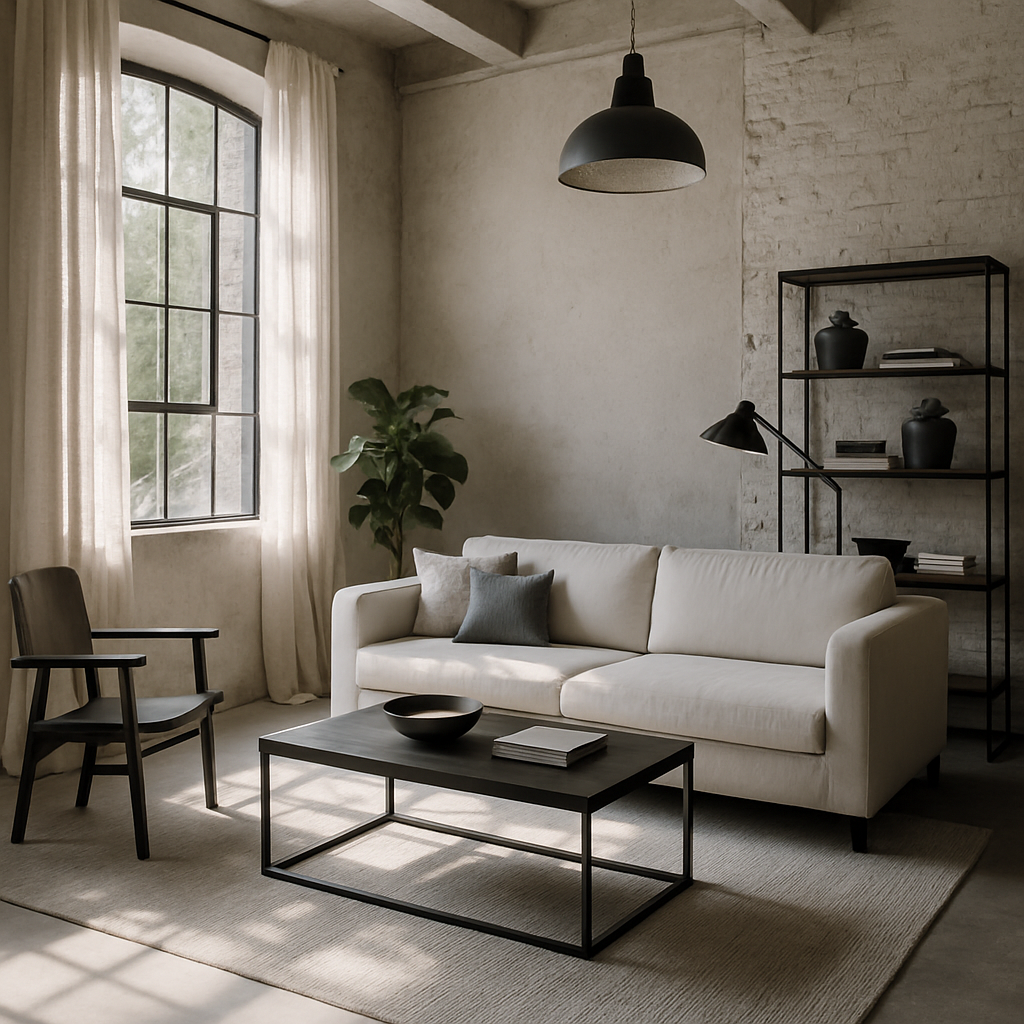
Imagine stepping into a loft where exposed brick walls, steel beams, and reclaimed wood blend seamlessly to create a space that's both rugged and sophisticated. This captivating style, known as industrial interior design, has surged in popularity, offering homeowners a chance to bring a touch of urban allure into their living spaces. But what exactly defines this aesthetic, and how can you implement it in your home? In this article, we'll explore the ten essential elements that form the backbone of industrial interior design. From foundational concepts to expert-level details, you'll gain a comprehensive understanding of how to incorporate this distinctive style into your home with confidence.
Understanding the Foundations of Industrial Design
At its core, industrial interior design is about embracing raw, unfinished elements that reflect the utilitarian roots of converted warehouses and factories. Exposed structural components such as beams, ductwork, and brick walls are celebrated rather than concealed. This approach not only highlights the building's architecture but also adds a layer of authenticity that is central to the industrial aesthetic. The beauty of this design lies in its ability to blend the old with the new, creating a space that feels both timeless and contemporary.
Materials play a pivotal role in industrial design. Think of steel, iron, concrete, and reclaimed wood as the key players that define this style. These materials, often left in their natural state, are known for their durability and minimal maintenance requirements. This use of durable materials is not only practical but also adds to the industrial charm, offering a rugged yet refined look that appeals to many. Moreover, incorporating elements like concrete countertops or steel frames can bring a modern edge to traditional design elements.
Another fundamental aspect of industrial design is the color palette. Neutral tones such as grays, blacks, and whites dominate the space, providing a backdrop that allows architectural elements and textures to shine. This subdued palette is often punctuated with pops of bold colors like deep red or navy blue, adding visual interest and depth. By maintaining a balanced color scheme, you can ensure that your space remains cohesive and visually appealing. Understanding these foundational concepts is crucial as we delve deeper into the intricacies of industrial design.
Analyzing Industrial Design Through Data
According to a Houzz survey, industrial-style homes have seen a 30% increase in popularity over the past five years, reflecting a growing desire for spaces that are both functional and aesthetically pleasing. This trend can be attributed to the versatility of industrial design, which blends seamlessly with other styles such as modern and rustic. By analyzing data from platforms like Houzz and Architectural Digest, we gain insights into how this style is evolving and what elements are most sought after by homeowners.
One of the most notable aspects of industrial design is its impact on property value. Industry surveys suggest that homes featuring well-executed industrial interiors can command a 5-15% higher resale value compared to their traditionally styled counterparts. This increase is largely due to the timeless appeal and durability of industrial materials, which are attractive to potential buyers. By investing in industrial design elements, homeowners not only enhance their living spaces but also increase their property's marketability.
Moreover, the growing emphasis on sustainability in design circles aligns well with industrial interiors. The use of reclaimed and recycled materials is a common practice within the industrial style, reducing environmental impact while adding unique character to the space. Experienced professionals often note that incorporating these elements not only supports eco-friendly living but also tells a story through design. As we examine actionable strategies in the next section, keep in mind how these data points can guide your design decisions.
Actionable Strategies for Implementing Industrial Design
Now that you understand the foundations and data behind industrial interior design, it's time to consider how you can apply these principles to your home. Start by assessing your space and identifying areas where industrial elements could be introduced. For instance, kitchens and living rooms are ideal candidates for incorporating exposed brick or steel beams. If you're working with a smaller budget, consider focusing on a single statement piece, like a reclaimed wood dining table or industrial-style lighting fixtures, to anchor the room.
When selecting furniture, prioritize pieces that offer both form and function. Look for items with clean lines and sturdy materials that can withstand daily use. Leather sofas, metal chairs, and wooden tables are all excellent choices that align with the industrial aesthetic. Additionally, consider the layout of your space. Opt for an open floor plan to enhance the sense of volume and allow natural light to flow freely throughout the room. This openness is a hallmark of industrial design, creating an inviting and spacious environment.
Lighting is another critical element in achieving an industrial look. Pendant lights with metal shades or exposed filament bulbs are popular choices that add an authentic touch to the space. You might also explore the use of track lighting or floor lamps with adjustable arms to provide both ambient and task lighting. By thoughtfully incorporating these elements, you can create a cohesive industrial interior that reflects your personal style. In the next section, we'll dive even deeper into expert-level details to elevate your design.
Expert-Level Details for a Polished Industrial Look
For those looking to refine their industrial design, attention to detail is key. Consider the textures and finishes of your materials. For example, a matte finish on metal surfaces can add sophistication, while a polished concrete floor introduces an element of sleekness. Additionally, incorporating textiles such as wool or linen can soften the hard edges typical of industrial spaces, creating a balanced and inviting atmosphere.
Another expert tip is to layer textures to add depth and interest. Mixing different materials, such as a plush wool rug on a concrete floor or a velvet throw on a leather sofa, can create a tactile experience that engages the senses. This layering technique is often used by designers to add warmth and personality to a space without compromising the industrial aesthetic.
Finally, consider the role of technology in your industrial design. Smart home integration, such as automated lighting or climate control systems, can enhance the functionality of your space while maintaining a clean and uncluttered appearance. These modern conveniences not only add to the home's appeal but also align with the industrial ethos of efficiency and practicality. As we explore additional depth in the next section, these expert insights will help you achieve a sophisticated industrial interior.
Additional Depth: The Role of Art and Accessories
While industrial design often emphasizes minimalism, art and accessories play a crucial role in personalizing the space. Consider incorporating large-scale artwork or sculptures that complement the industrial theme. Pieces made from metal, wood, or concrete can add a striking focal point to the room. Additionally, vintage or salvaged items, such as old factory signs or machinery parts, can be repurposed as decorative elements, adding character and a sense of history.
When selecting accessories, opt for items that enhance the overall aesthetic without overwhelming the space. Think about the functionality of each piece-vintage clocks, metal storage bins, and industrial-style shelving can all serve practical purposes while contributing to the design. These elements are not just decorative; they also reinforce the industrial ethos of purposeful design.
Plants are another excellent way to introduce life and color into an industrial space. The contrast between lush greenery and stark industrial materials creates a dynamic and visually appealing environment. Consider incorporating potted plants with simple, minimalist planters to maintain the clean lines of the design. As we move into the final perspectives, these elements of art and accessories will help you create a well-rounded industrial interior.
Final Perspectives on Industrial Interior Design
As you embark on your journey to incorporate industrial interior design into your home, remember that this style is as much about function as it is about form. By choosing durable materials and thoughtful layouts, you can create a space that is both practical and aesthetically pleasing. The versatility of industrial design allows it to be tailored to suit various tastes and preferences, making it an excellent choice for many homeowners.
Consider how each element you introduce will impact the overall feel of your space. From furniture and lighting to art and accessories, every component plays a role in creating a cohesive industrial aesthetic. By embracing the raw beauty of exposed materials and understated elegance, you can transform your home into a stylish, urban retreat.
In the conclusion, we'll summarize key insights and offer a specific call to action to help you take the next steps in your industrial design journey.
Conclusion: Bringing Industrial Design into Your Home
Industrial interior design offers a unique blend of rugged beauty and contemporary style, making it an appealing choice for those seeking to create a distinctive home environment. By understanding and implementing the ten essential elements we've explored, you can transform your living space into a modern, industrial haven. From foundational concepts and actionable strategies to expert-level details, each aspect plays a critical role in achieving the desired aesthetic.
Are you ready to start your industrial design journey? Begin by assessing your current space and identifying opportunities to introduce industrial elements. Whether it's incorporating a few statement pieces or embarking on a full-scale redesign, the possibilities are endless. Start by browsing portfolios on platforms like Houzz or Instagram this week-just 20 minutes of research will sharpen your eye for what you want.
With a clear understanding of industrial design and a strategic approach, you can create a home that is both functional and visually striking. Embrace the challenge and enjoy the transformation as your space evolves into a true reflection of industrial elegance.



Comments
Post a Comment