Unlock Your Creativity: Best Features of Interior Design Apps Explained
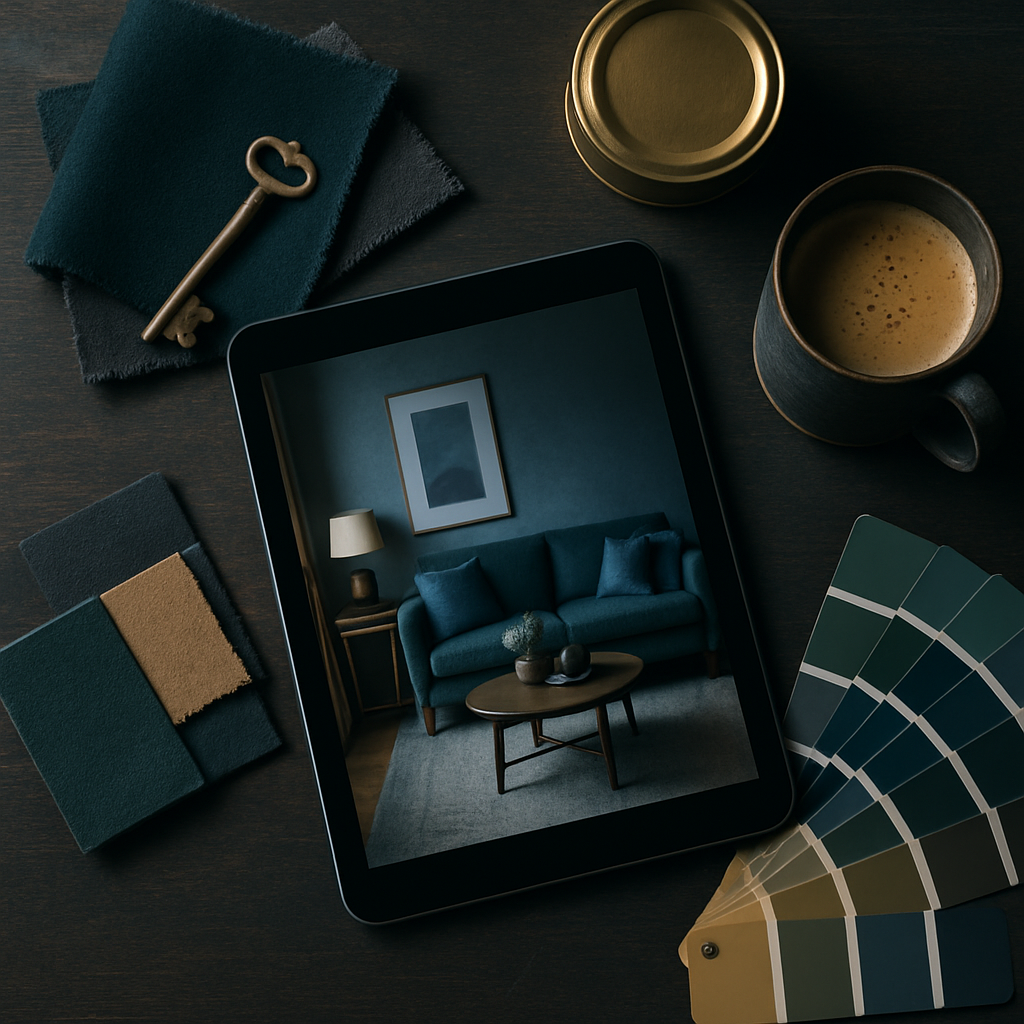
Have you ever found yourself standing in a furniture store, overwhelmed by the choices and uncertain of how any of it will look in your home? You're not alone. According to a survey by Houzz, 36% of homeowners find selecting products and materials to be the most challenging part of designing their spaces. The good news is that interior design apps are revolutionizing how we approach home design, offering a wealth of features to help even the most indecisive among us make confident choices. This article will explore the best features of these apps, providing a roadmap to transform your creative vision into reality. From foundational concepts and data-driven insights to actionable strategies and expert advice, we'll guide you through the digital tools that can make your dream space a reality.
Understanding the Foundational Concepts of Interior Design Apps
At their core, interior design apps aim to simplify the design process by providing tools that bridge the gap between imagination and execution. These apps allow users to visualize changes in real time, enabling them to experiment with colors, layouts, and furnishings without making a single purchase. Augmented Reality (AR) is one such feature that has taken the industry by storm, allowing users to see how specific pieces of furniture or décor will look in their actual space through their smartphone cameras. This technology not only saves time but also reduces the risk of costly mistakes.
Another foundational concept is the use of 3D modeling. Apps like SketchUp and Morpholio Board offer robust 3D modeling tools that let users create detailed floor plans and room layouts. These tools are particularly beneficial for visual learners who need to see their ideas come to life before committing. The sophisticated algorithms behind these apps ensure that the models are to scale, providing a realistic representation of the space.
Moreover, interior design apps often include extensive libraries of materials, colors, and furniture items. This feature allows users to mix and match different elements to create a cohesive design. For example, apps like Home Design 3D offer thousands of items that users can drag and drop into their layouts, making it easier to see how different components work together. Understanding these foundational concepts is crucial as they form the basis of more advanced app features that we'll discuss next.
Diving Deeper: Data and Analysis in Interior Design Apps
Interior design apps are not just about visual appeal; they're also about making data-driven decisions. According to a 2022 report by the American Society of Interior Designers (ASID), data analytics in design has seen a 20% increase in usage year-over-year. Apps like Planner 5D use data to provide users with insights into space utilization and traffic flow, ensuring that the layout is not only aesthetically pleasing but also functional.
These apps often incorporate user feedback and reviews into their databases, helping you make informed decisions about which products to choose. For instance, a feature in Houzz allows users to see how others have rated specific items, complete with user-uploaded photos showing how those items look in real settings. This peer-reviewed approach to design not only democratizes the process but also enhances satisfaction by reducing post-purchase regret.
Furthermore, many apps provide compatibility with smart home technology, offering insights into how various systems can be integrated seamlessly. As smart homes become more prevalent, understanding the connectivity and compatibility of different systems is essential. By analyzing data from various devices, these apps can suggest optimal placements and configurations, ensuring that your space is both stylish and smart. As we transition into the next section, consider how these data-driven features can aid in the practical application of your design ideas.
Actionable Strategies for Using Interior Design Apps
Now that we've explored the foundational and analytical aspects, it's time to put these tools into practice. One effective strategy is to start with a clear vision. Begin by using mood boards, a feature offered by apps like Canva and Pinterest. These allow you to collect images, colors, and materials that resonate with your personal style. Creating a mood board helps refine your vision and provides a reference point as you explore more specific design elements.
Next, utilize the AR features to experiment with furniture placement and color schemes. Start by scanning your room and then virtually place different items to see how they fit. This step is crucial in avoiding common design pitfalls such as overcrowding or clashing colors. Remember, experienced professionals often note that less is more; focus on a few key pieces that define the space rather than cluttering it with unnecessary items.
Finally, take advantage of community features in apps like Houzz and Instagram. Engage with other users to gain feedback on your ideas. Post your designs, ask questions, and participate in discussions. This community interaction can provide new perspectives and innovative solutions to design challenges you might face. As we delve into expert-level details, think about how these strategies can elevate your design process.
Expert-Level Details: Advanced Features and Tools
For those looking to take their design skills to the next level, interior design apps offer advanced features that cater to professionals and serious hobbyists alike. One of the most powerful tools is virtual reality (VR) integration. Apps like Roomstyler 3D Home Planner allow users to immerse themselves in a fully rendered version of their room, providing a true sense of scale and spatial relationships that can be difficult to gauge otherwise.
Another expert-level feature is the ability to customize elements down to the finest detail. Apps such as AutoCAD offer tools for precise measurements and material customization, allowing you to tailor every aspect of your design. This level of detail is particularly valuable for complex projects where precision is paramount, such as kitchen remodels or custom cabinetry design.
Additionally, many apps now offer integration with professional design networks like the International Interior Design Association (IIDA) or NCIDQ-certified designers. These networks provide access to exclusive resources and the latest industry trends, ensuring that your designs are not only current but also informed by professional standards. As we explore additional depths of these apps, consider how these advanced tools can refine and elevate your designs.
Additional Depth: How Interior Design Apps Enhance Creativity
The true beauty of interior design apps lies in their ability to enhance creativity by providing a playground for experimentation. These apps offer endless possibilities for customization, allowing users to break free from traditional design constraints. For example, the trend of biophilic design, which emphasizes natural elements and sustainability, can be explored through apps that feature eco-friendly materials and living wall options.
Moreover, apps encourage users to think outside the box by offering design challenges and inspiration galleries. Platforms like Pinterest curate trends such as Japandi, which blends Japanese minimalism with Scandinavian warmth, encouraging users to explore fusion styles and innovate beyond conventional boundaries. These curated inspirations can ignite new ideas and push users to experiment with different design philosophies.
Finally, the community aspect of these apps fosters a collaborative environment where ideas can be shared and critiqued. Engaging with a community of like-minded individuals can provide encouragement and constructive feedback, essential components for creative growth. As we conclude, reflect on how these elements can serve as catalysts for your creative journey.
Final Perspectives: The Future of Interior Design Apps
As technology continues to evolve, the role of interior design apps will only become more integral to the design process. These apps are not just tools but partners in creativity, offering guidance, inspiration, and the means to bring visions to life. The integration of AI and machine learning promises even more intuitive and personalized design experiences, tailoring suggestions based on user preferences and past projects.
In addition, the trend towards sustainability and smart home integration will likely drive the development of new features that cater to eco-conscious consumers. These advancements will not only enhance the functionality of design apps but also encourage more sustainable and efficient design practices. As you explore these tools, consider how they can be leveraged to create spaces that are both beautiful and responsible.
Conclusion: Take the Next Step in Your Design Journey
Interior design apps have unlocked a new realm of possibilities for both novice decorators and seasoned professionals. By harnessing the best features these apps offer-from AR and 3D modeling to community engagement and expert-level tools-you can transform any space into a reflection of your personal style and creativity. Ready to take the plunge? Start by exploring platforms like Houzz and Pinterest, and spend even just 20 minutes a day building your design skills. The tools are at your fingertips; it's time to unlock your creativity and start your design journey.



Comments
Post a Comment