The Ultimate Guide to Choosing the Perfect Kitchen Color Palette
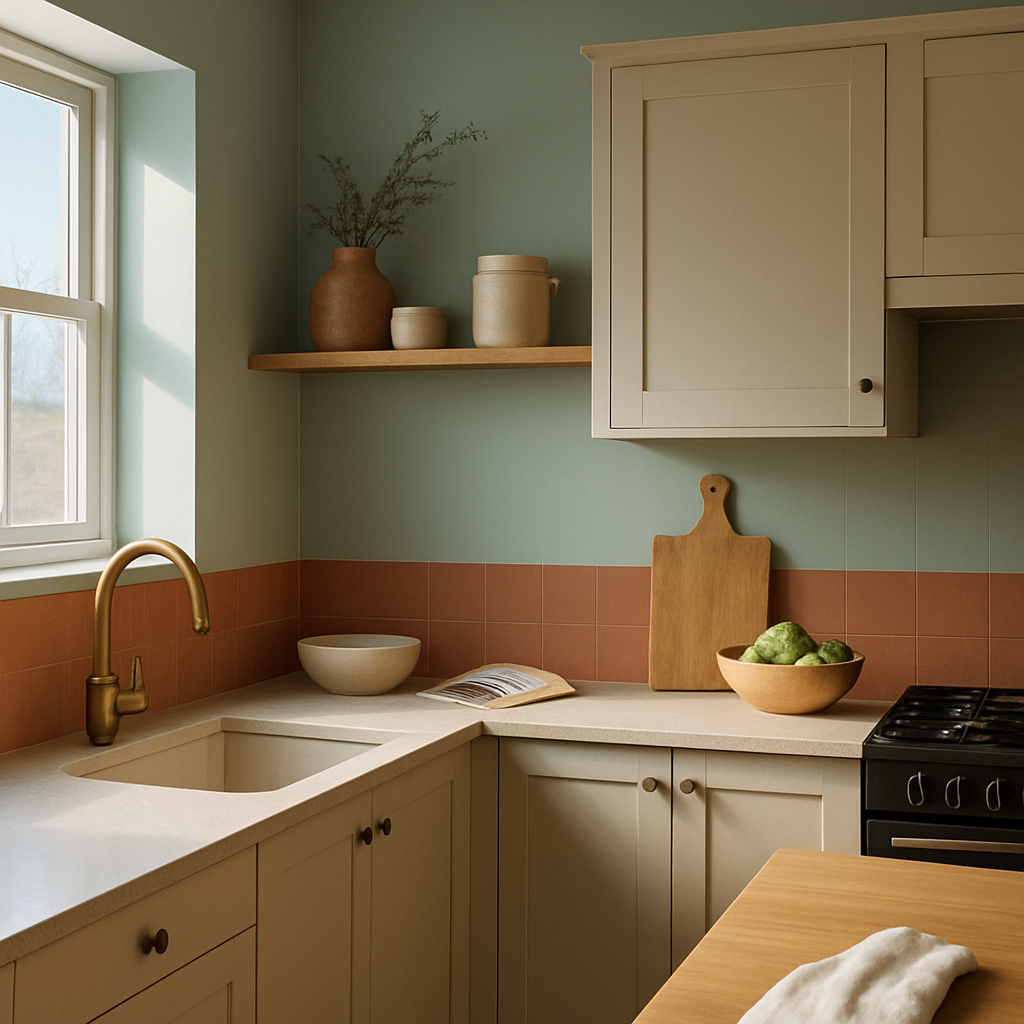
Imagine walking into a kitchen that instantly feels like the heart of the home-warm, inviting, and perfectly aligned with your personal style. According to Houzz's annual survey, over 60% of homeowners seek to redesign their kitchens to create a more enjoyable cooking experience and increase the aesthetic appeal of their homes. But with countless options available, how do you choose the perfect kitchen color palette that complements your space and lifestyle? In this guide, we will explore the key concepts of color theory, analyze current design trends, and provide actionable strategies to help you make informed decisions. By the end of this article, you'll be equipped with expert knowledge to transform your kitchen into a space that not only looks stunning but also feels like a true extension of yourself.
Understanding Color Theory: The Foundation of Your Palette
Color theory is the cornerstone of any successful interior design project, especially when selecting the perfect kitchen color palette. At its core, color theory involves the science and art of combining colors to create harmonious and visually appealing outcomes. The color wheel, a basic tool used in design, categorizes colors into primary, secondary, and tertiary groups. Primary colors-red, blue, and yellow-are the foundation, while secondary colors arise from mixing these primary shades. Understanding these relationships helps you create balance and contrast in your kitchen.
Beyond the basics, the concepts of warm and cool colors play a crucial role in setting the mood of your kitchen. Warm colors such as reds and oranges evoke energy and vibrancy, making them ideal for creating an inviting and lively atmosphere. In contrast, cool colors like blues and greens are calming and serene, perfect for a more relaxed and tranquil setting. Experienced professionals often note that choosing a dominant color and then complementing it with accents from the opposite temperature spectrum can yield a well-rounded look.
Additionally, the use of neutrals-whites, grays, and beiges-can tie together a color palette seamlessly. Neutrals provide a versatile backdrop that allows other colors to pop, enhancing the overall visual impact. While it's tempting to start with bold colors, experts recommend first selecting a neutral base and then adding splashes of color through accents like cabinetry, backsplashes, or decor. This approach not only provides visual interest but also offers flexibility for future updates.
Current Trends and Data-Driven Insights
In recent years, biophilic design and the concept of quiet luxury have gained significant traction in kitchen design. Biophilic design emphasizes the use of natural materials and colors that mimic the outdoors, creating a seamless indoor-outdoor flow. According to a survey by ASID (American Society of Interior Designers), incorporating elements such as natural wood tones and earth-inspired hues can increase a home's resale value by up to 15%. This trend reflects a growing desire for sustainability and a connection to nature within urban living spaces.
Colors inspired by quiet luxury-muted tones and understated elegance-are prevalent in today's kitchen designs. Think soft greys, muted blues, and gentle taupes that provide a sophisticated yet approachable aesthetic. These colors often serve as a canvas for more vibrant accents, allowing homeowners to personalize their kitchens without overwhelming the space. Industry surveys suggest that kitchens designed with these palettes report higher homeowner satisfaction due to their versatility and timeless appeal.
Additionally, smart home integration has influenced color choices, with sleek, modern palettes complementing advanced technology features. Automated lighting and climate control systems are often paired with minimalist designs, enhancing both functionality and style. When planning your kitchen's color palette, consider how it will interact with any existing or planned smart home elements to ensure a cohesive and harmonious environment.
Actionable Strategies for Selecting Your Palette
Embarking on the journey of choosing a kitchen color palette can be daunting, but with strategic planning, you can achieve stunning results. Start by assessing your kitchen's natural light. North-facing kitchens typically receive cooler light, which can wash out certain colors. In contrast, south-facing kitchens benefit from warmer, more consistent light. This assessment will guide you in selecting colors that will look vibrant and true throughout the day.
Next, consider the fixed elements in your kitchen that won't change, such as countertops, flooring, and cabinetry. These components will serve as the foundation for your color palette. For example, if you have rich wooden cabinets, you might select complementary colors that enhance their natural beauty rather than compete with it. Experienced designers often recommend creating a color board or mood board with samples of these elements to visualize how they interact.
Once you've established a base, experiment with accent colors that reflect your personal style. Are you drawn to bold, contrasting hues, or do you prefer a more monochromatic scheme? Test small patches of paint or bring in samples of textiles and decor items to see how they work together. Remember, the perfect color palette is one that resonates with you and your lifestyle, creating a space where you feel truly at home.
Expert Insights on Avoiding Common Pitfalls
While selecting a kitchen color palette can be exciting, it's essential to avoid common pitfalls that can lead to design regret. One frequent mistake is choosing colors that are too trendy without considering their longevity. While a bright, bold color might be popular now, it could quickly date your kitchen as trends evolve. Instead, opt for classic hues with proven staying power, using trendy colors sparingly as accents.
Another potential misstep is neglecting to test colors in your actual kitchen environment. Colors can look drastically different based on lighting and surroundings, so it's crucial to view them in the space where they'll be used. Many design professionals suggest painting large sample swatches directly on your walls and observing them at different times of the day to ensure they maintain their appeal.
Finally, don't overlook the importance of cohesion throughout your home. While your kitchen should reflect your personal taste, it should also harmonize with adjacent spaces. Consider how your chosen colors will flow into connecting rooms, creating a unified and balanced interior. This approach not only enhances the visual appeal but also contributes to the overall harmony of your living environment.
Additional Depth: Leveraging Professional Help
Engaging a certified interior designer can make a remarkable difference in the outcome of your kitchen color palette. Designers with credentials such as NCIDQ (National Council for Interior Design Qualification) or membership in ASID bring a wealth of knowledge and experience to the table. They can provide insights into the latest materials and finishes, ensuring your kitchen not only looks beautiful but also functions optimally.
When working with a professional, you'll typically go through phases such as concept development, design presentation, and procurement. Designers can guide you through these stages, offering advice tailored to your unique space and preferences. They also have access to exclusive resources and industry connections, allowing them to source high-quality materials and fixtures that may not be readily available to the average homeowner.
Budget is an important consideration when hiring a designer. Fee structures can vary, including flat fees, hourly rates, or a percentage of the total project cost. While this investment might seem significant, the value added through expert guidance and enhanced resale potential often justifies the expense. If you've ever wondered whether hiring a designer is worth it, consider the peace of mind and elevated results they can deliver.
Final Perspectives on Creating Your Dream Kitchen
As you embark on your kitchen design journey, remember that the ultimate goal is to create a space that resonates with you on both an aesthetic and functional level. The perfect kitchen color palette is not just about following trends but about creating an environment where you feel comfortable and inspired. Take the time to explore different options, and don't be afraid to trust your instincts.
Consider how your kitchen's color palette will evolve with your lifestyle. Will it adapt to future needs, or will it require frequent updates? By choosing a versatile and timeless palette, you ensure your kitchen remains a beloved part of your home for years to come. As you refine your choices, keep in mind the broader context of your home, ensuring a harmonious flow from one space to the next.
With these insights, you're now equipped to make informed decisions about your kitchen color palette. Start by exploring designer portfolios on platforms like Houzz and Instagram to gather inspiration. Even dedicating just 20 minutes a day to research can significantly sharpen your eye for what resonates with you. Your dream kitchen is within reach, and the perfect color palette is the key to unlocking its full potential.



Comments
Post a Comment