Maximize Small Spaces: Innovative Home Interior Design Ideas You Need to Try
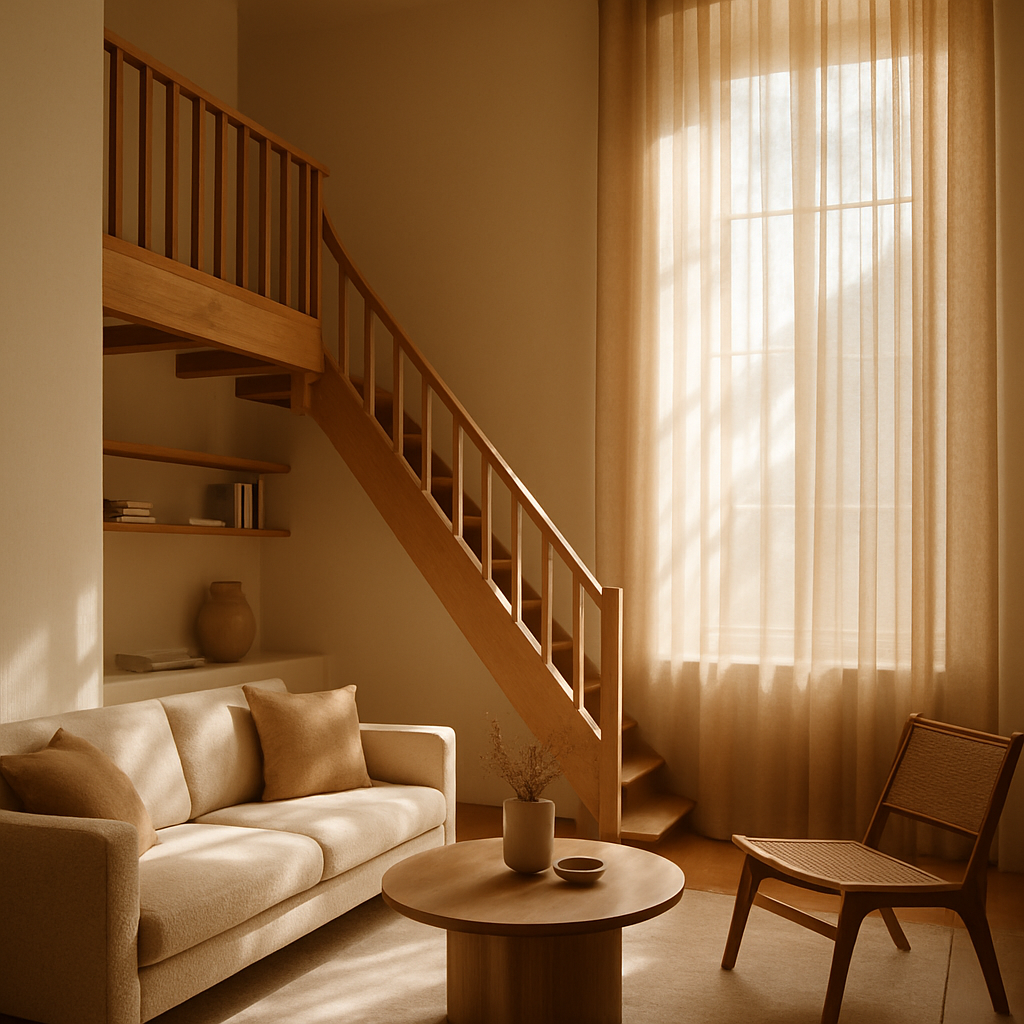
Imagine living in a space where every square foot is thoughtfully utilized, transforming even the tiniest nook into a functional part of your home. This isn't a luxury reserved only for grand houses; it's a necessity for many living in smaller spaces. According to Houzz's annual survey, the demand for creative small space solutions has increased as more people seek to make the most of what they have. In this article, you'll uncover how to maximize small spaces with innovative home interior design ideas. From foundational concepts to expert-level details, we'll explore strategies that can help you transform your compact area into a stylish and efficient living environment.
Understanding the Foundations of Small Space Design
The first step in maximizing small spaces is understanding the fundamentals of interior design. At the core of any successful design is the concept of functionality. When space is limited, every item must serve a purpose, whether it's a piece of furniture or a decorative element. Experienced professionals often note that a well-thought-out layout can make even the smallest space feel open and inviting. This involves strategically placing furniture to allow for natural movement and ensuring that each piece complements the overall design.
One of the foundational principles is the use of vertical space. In small areas, walls become your best friends. Shelving, hanging plants, and even artwork can draw the eye upwards, creating an illusion of height and space. According to the American Institute of Architects (AIA), incorporating vertical elements can increase the perceived size of a room by up to 30%. This is crucial in small apartments or homes where floor space is at a premium.
Another key element is light. Natural light can dramatically affect the perception of space. Utilizing sheer curtains or strategically placed mirrors can enhance natural light, making the room appear larger. This foundational knowledge sets the stage for deeper analysis and strategies, which we'll delve into in the next section.
Analyzing Small Space Challenges with Data
When it comes to small space design, understanding the challenges is crucial. Data from the ASID (American Society of Interior Designers) indicates that 60% of homeowners with limited space struggle with storage issues. This is especially prevalent in urban areas where space is a premium. Addressing these challenges requires a blend of creativity and practicality, often involving multi-functional furniture and innovative storage solutions.
For instance, a survey by Houzz revealed that 45% of respondents found that incorporating built-in storage solutions significantly improved their living space functionality. This includes elements like under-bed storage, wall-mounted cabinets, and modular shelving units. By integrating these solutions, you can effectively declutter your space while maintaining a sleek and organized appearance.
Data also shows that color choice can impact the perception of space. Light colors tend to make a room feel larger, while darker hues can create a cozy but potentially cramped environment. By analyzing these data points, you can make informed decisions about how to tackle your own small space challenges, paving the way for actionable strategies in the following section.
Implementing Actionable Strategies for Space Maximization
Now that we've covered the foundational concepts and analyzed common challenges, it's time to explore actionable strategies. One effective approach is to implement multi-functional furniture. Items such as sofa beds, extendable dining tables, and nesting tables offer flexibility and can be easily adapted to different needs. The cost of these pieces can vary, but investing in high-quality, versatile furniture can save money in the long run by reducing the need for additional items.
Another strategy involves creating distinct zones within a single room. By using rugs, lighting, or even furniture placement, you can define different areas for living, working, and dining. This concept, often referred to as "zoning," enables small spaces to serve multiple purposes without feeling chaotic. Consider how you use your space daily: where do you work, relax, and entertain? Designing with these zones in mind can make your home more functional and enjoyable.
Finally, embracing technology can enhance your design efforts. Augmented Reality (AR) and Virtual Reality (VR) tools, available through platforms like Houzz, allow you to visualize changes before making them. This step can prevent costly mistakes and ensure that every design decision contributes to the overall goal of maximizing space. These practical strategies will be further enriched by expert insights in the next section.
Expert Insights on Small Space Design
Experienced interior designers emphasize the importance of personalization in small space design. While broad strategies are helpful, tailoring solutions to your specific lifestyle can make a significant difference. For instance, if you love cooking, investing in a compact kitchen island with storage can vastly improve your culinary experience. Alternatively, if you work from home, creating a dedicated workspace with ergonomic furniture is crucial.
Many professionals recommend incorporating biophilic design elements, such as natural materials and indoor plants, into small spaces. A study by Architectural Digest's AD PRO network shows that biophilic design can increase occupant satisfaction by 20%, making it an excellent choice for enhancing both aesthetics and well-being. This approach not only maximizes space but also creates a calming environment conducive to relaxation.
Moreover, sustainability is a growing focus in interior design. Using reclaimed materials or opting for eco-friendly products can reduce your environmental footprint while adding unique character to your home. These expert insights provide a deeper understanding of how to refine your small space design, leading to further exploration in the next section.
Additional Considerations for Small Space Design
While we've covered foundational concepts and expert advice, there are additional considerations to keep in mind. One of these is the importance of maintaining a minimalist mindset. Clutter can quickly overwhelm a small space, so it's crucial to regularly assess and edit your possessions. Ask yourself: do these items serve a purpose, or are they simply taking up space?
Furthermore, the role of technology in small space design cannot be overstated. Smart home integration, such as automated lighting and climate control, can enhance the functionality of your space without adding physical clutter. The International Interior Design Association (IIDA) notes that smart solutions are increasingly popular among homeowners seeking efficient and modern living environments.
Finally, consider the resale value of your home. A well-designed small space can yield a higher resale value, often between 5-15%. This statistic, frequently cited in real estate, underscores the financial benefits of investing in quality design. As we move into the final perspectives, these considerations will tie together the comprehensive approach to maximizing small spaces.
Final Perspectives on Maximizing Small Spaces
Maximizing small spaces requires a blend of creativity, practicality, and personalization. By understanding the foundational concepts and leveraging expert insights, you can transform your home into a space that not only meets your needs but also enhances your lifestyle. Remember that the key is to prioritize functionality and maintain a minimalist approach, ensuring that every design choice serves a purpose.
As you embark on your small space design journey, consider how these strategies can be adapted to your specific situation. Whether you're living in a bustling city apartment or a cozy suburban home, the principles of small space design remain the same: make the most of what you have and create a space that reflects your style and needs.
By adopting these innovative ideas, you can maximize your small space effectively and stylishly. As we conclude, let's summarize the key takeaways and provide a clear call to action for your next steps.
Conclusion
In summary, maximizing small spaces involves a combination of foundational design principles, data-driven strategies, and expert insights. From utilizing vertical space to embracing technology, each step plays a crucial role in transforming your home into a functional and stylish living area. The journey to maximizing your small space is an ongoing process that evolves as your needs and lifestyle change.
Are you ready to take action? Start by browsing design portfolios on platforms like Houzz or Pinterest this week. Even dedicating just 20 minutes to research can dramatically sharpen your eye for what you want in your space. You'll gain inspiration and insights that will guide your decisions as you embark on your small space design journey.



Comments
Post a Comment