How to Use Color Psychology in Room Interior Design for a Harmonious Home
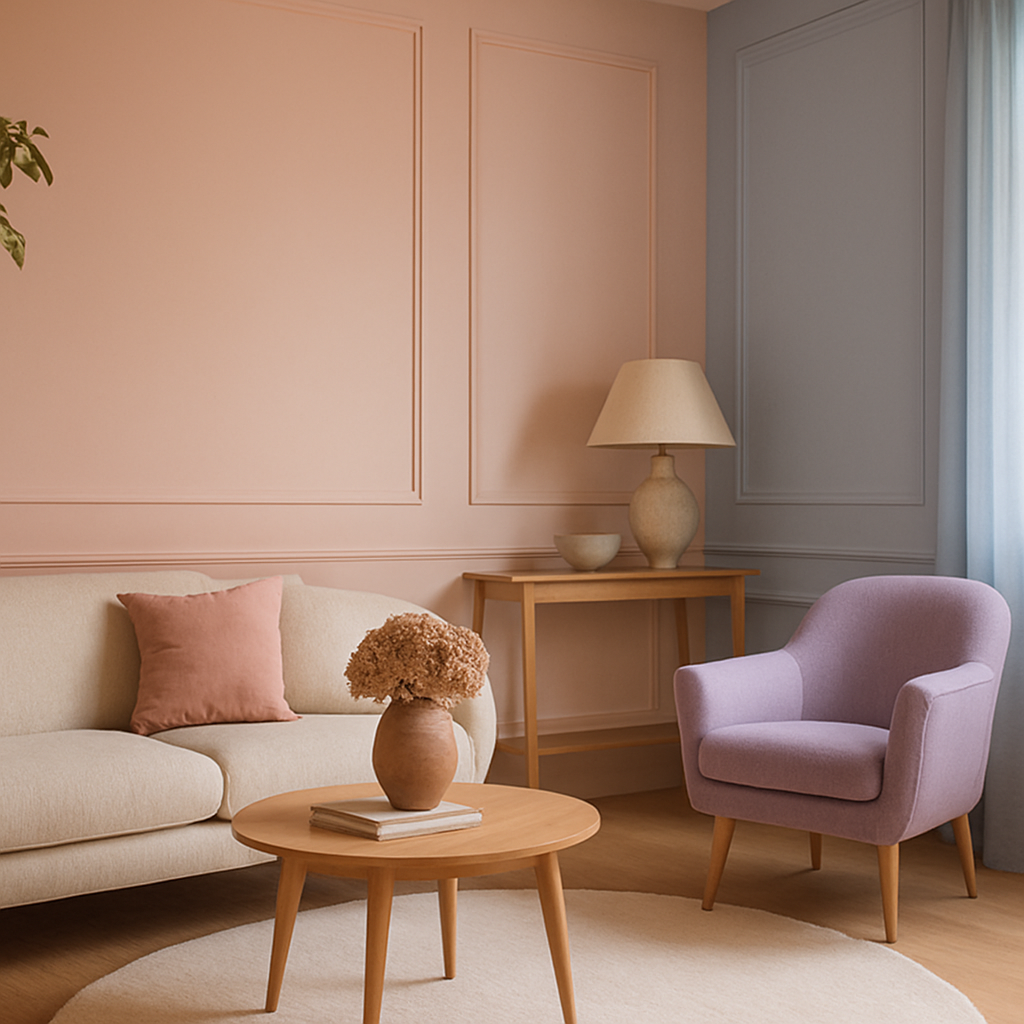
Have you ever walked into a room and instantly felt a change in your mood? That's the subtle power of color psychology at work. According to studies, our environments can significantly influence our emotions and behaviors, with color being a major factor. Understanding how to use color psychology in room interior design can transform your living space into a harmonious sanctuary that reflects your personality and enhances your well-being. In this article, we will explore foundational concepts of color psychology, analyze its impact through data, and provide you with actionable insights to apply this knowledge effectively in your home. By integrating expert opinions and advanced strategies, you'll gain the tools needed to curate your ideal environment.
Understanding the Foundations of Color Psychology
Color psychology is the study of how colors affect human behavior and emotions. Each color can evoke different feelings and reactions, making it a powerful tool in interior design. For instance, blues are often associated with calmness and tranquility, ideal for spaces meant for relaxation, such as bedrooms or bathrooms. On the other hand, vibrant reds can stimulate energy and passion, often used in dining areas to encourage lively conversations and appetites.
The foundational concept of color psychology lies in its effect on our subconscious. Our brains process colors in a way that can trigger emotional responses, even if we're not fully aware of it. This is why experienced interior designers often leverage color schemes to influence the ambiance of a room. For example, a living room painted in soft, warm tones can foster a welcoming and cozy atmosphere, perfect for family gatherings.
Understanding these foundational concepts allows you to make informed decisions about the colors you choose for your home. By aligning your color choices with the intended use of each room, you can create spaces that not only look appealing but also enhance your daily life. As we delve deeper into the specifics, consider how different colors in your current living spaces make you feel. Do they match the purpose of the room?
Analyzing the Impact of Color Schemes with Data
Research on color psychology has revealed fascinating insights into how different hues can affect our mood and productivity. A study published in the Journal of Environmental Psychology found that blue environments can boost productivity and focus, which makes them ideal for home offices. Meanwhile, green-often associated with nature and renewal-can encourage a sense of calm and balance, making it suitable for personal reflection spaces like reading nooks or meditation areas.
Data from the American Society of Interior Designers (ASID) suggests that well-chosen color schemes can improve the perceived value of a home. Homeowners who utilize effective color strategies report higher satisfaction levels and often see a return on investment when selling their properties. This aligns with the commonly cited statistic that well-designed interiors can increase a home's resale value by 5-15%.
These data points emphasize the importance of thoughtful color selection in interior design. By analyzing the effects of different colors on mood and behavior, you can tailor each room to serve its intended function optimally. As you consider these insights, reflect on how your home currently utilizes color. Are there areas where a change in hue could enhance the space's utility or aesthetic appeal?
Implementing Actionable Color Strategies in Your Home
Now that we have a foundational understanding of color psychology and its impacts, let's turn this knowledge into practical strategies you can apply in your home. Start by assessing each room for its primary function and the mood you want to evoke. For instance, if your living room is the hub for social gatherings, consider incorporating warm hues like oranges or reds to energize the space.
For a soothing bedroom, opt for soft blues or greens that promote relaxation and restfulness. To make these changes less overwhelming, you can start with accent walls or decor items like pillows and throws before committing to larger changes. Experienced professionals often recommend testing small paint samples on your walls and observing them at different times of the day to see how the light affects the color.
Don't forget the role of contrast and balance. Use neutral tones like whites or greys to balance more vibrant colors, ensuring your space feels cohesive rather than chaotic. As you implement these strategies, continuously ask yourself: Does this color make me feel the way I want to feel in this space? Adjust until you find the perfect balance.
Expert Insights on Advanced Color Techniques
Experienced professionals often note that advanced techniques, such as color zoning and layering, can further enhance the psychological impact of your interior design. Color zoning involves using different colors to define separate areas within a single space, which can be particularly effective in open-plan homes. For example, a vibrant color might designate a dining area, while a softer hue marks a relaxation zone.
Layering involves combining various shades of a single color to add depth and interest without overwhelming the senses. This technique requires a keen eye for detail and balance, ensuring that all elements within a room complement each other. Platforms like Houzz and Architectural Digest's AD PRO network often showcase examples of these techniques in high-end design projects, providing inspiration and guidance.
Additionally, integrating textures with your color choices can enrich the sensory experience of a room. Consider how the sheen of a silk curtain might contrast with a matte-painted wall, adding dimension and intrigue. As you explore these advanced techniques, think about areas in your home that could benefit from such sophisticated design approaches. How might these methods transform your living spaces?
Diving Deeper into Color Theory and Application
Color theory is the science behind how colors interact and the effects they produce when combined. Understanding color theory can empower you to make more refined choices in your interior design projects. The color wheel, a fundamental tool in color theory, helps designers create harmonious palettes. Complementary colors, such as blue and orange, are opposite each other on the wheel and are known to create a dynamic yet balanced look.
Analogous color schemes, which use colors next to each other on the wheel, like green, blue, and teal, create a serene and cohesive appearance. Such schemes are often recommended for spaces intended for relaxation and contemplation. The NCIDQ (National Council for Interior Design Qualification) underscores the importance of mastering color theory for certified interior designers, ensuring they can create aesthetically pleasing and psychologically beneficial environments.
Applying these principles allows for a more intentional approach to interior design. By using the color wheel as a guide, you can experiment with different combinations to find what resonates best with your personal style and the unique characteristics of your home. As you consider these elements, ponder which color combinations might bring out the best in your rooms and reflect your desired ambiance.
Final Perspectives on Color Psychology in Interior Design
Incorporating color psychology into your home design can be a transformative process. It not only enhances the aesthetic appeal of your living spaces but also deeply influences how you experience each room. The insights provided by experts and research ensure that your design decisions are backed by solid understanding and strategic thinking.
As you implement these strategies, remain mindful of how each color affects your mood and functionality. Remember that your home is a reflection of your personal taste and lifestyle, and the colors you choose should align with your vision for each space. This thoughtful approach to color can lead to more harmonious and satisfying living environments.
As you finalize your color choices, consider how they align with your long-term goals for your home. Are there areas where you could be more adventurous or subtle with your color palette? Reflect on these questions as you move forward.
Conclusion: Creating Your Harmonious Home
Color psychology offers a powerful toolset for shaping the atmosphere of your home and influencing your daily life. By understanding and implementing the principles of color psychology, you can design spaces that not only look beautiful but also support your well-being and lifestyle. From foundational concepts to expert-level strategies, the journey of integrating color into your home design is both creative and rewarding.
Ready to start your color transformation? Begin by browsing designer portfolios on Houzz to find inspiration and see how professionals apply these principles. Even dedicating just 20 minutes to research can sharpen your eye for color and help you visualize the possibilities for your home. Embrace the change, and watch as your living spaces transform into the harmonious haven you've always desired.



Comments
Post a Comment