Exploring DrHomey's Unique Approach to Sustainable Interior Design Styles
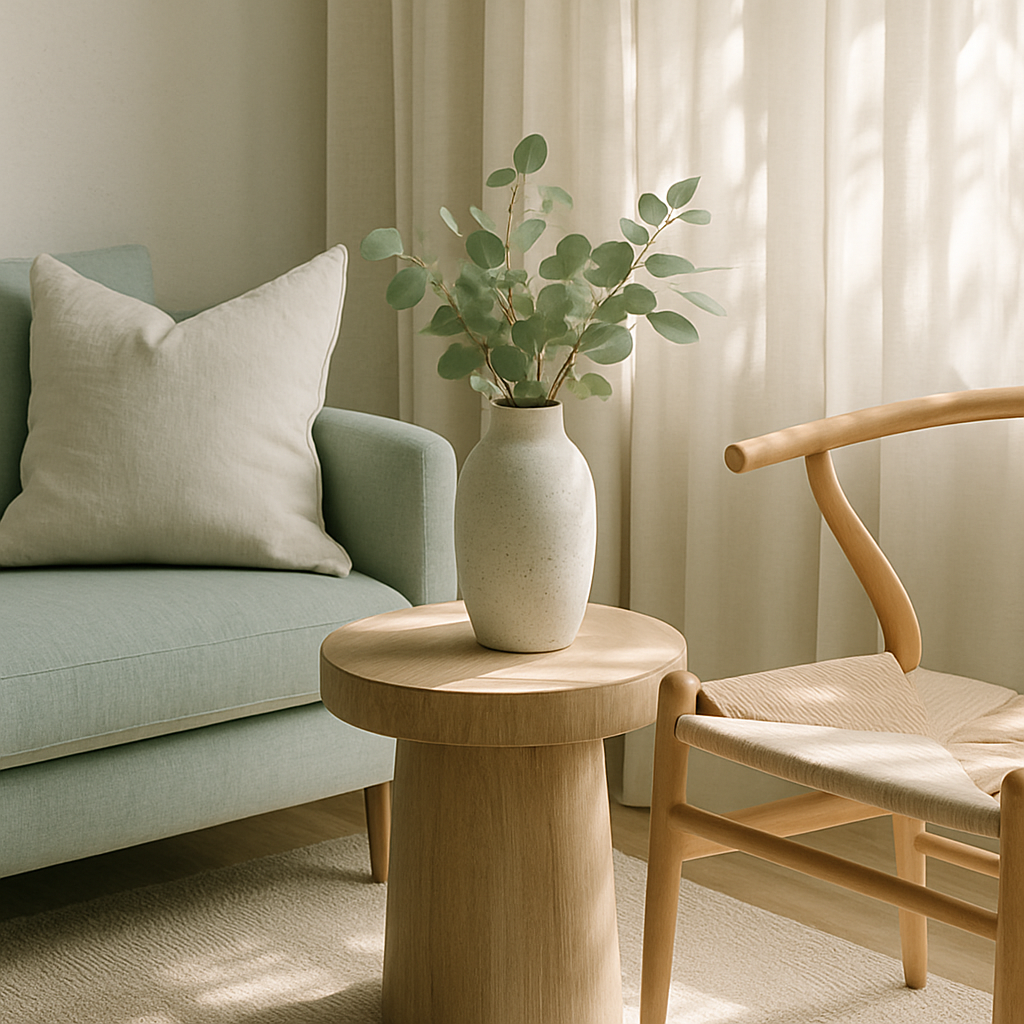
Imagine a home that not only reflects your personal style but also contributes positively to the environment. According to a report by Houzz, homeowners today are more inclined towards integrating sustainability into their living spaces, with over 50% prioritizing eco-friendly materials. This growing trend is precisely where DrHomey's unique approach to sustainable interior design styles comes into play. By combining innovative design techniques with a strong commitment to sustainability, DrHomey offers a fresh perspective that aligns with modern values. This article will delve into the foundational concepts of sustainable design, explore data-driven insights, provide actionable strategies, and share expert-level details on adopting these styles in your home. Whether you're a seasoned design enthusiast or a curious newcomer, there's something here for everyone.
Understanding the Foundations of Sustainable Interior Design
Sustainable interior design goes beyond aesthetics. It's about creating spaces that are environmentally responsible and resource-efficient throughout a building's life cycle. This involves careful selection of materials, efficient energy usage, and a keen awareness of waste reduction. A foundational concept is the use of renewable resources. For instance, bamboo flooring has become a popular alternative to traditional hardwood due to its rapid growth and low environmental impact. By choosing materials that regenerate quickly, homeowners can reduce their carbon footprint significantly.
Another cornerstone of sustainable design is energy efficiency. Implementing LED lighting, for example, can drastically cut down electricity consumption. According to the U.S. Department of Energy, LEDs use at least 75% less energy than incandescent lighting, making them a smart choice for the eco-conscious consumer. Moreover, integrating natural light through strategic window placement not only decreases energy use but also enhances the living environment's ambiance.
The third pillar is waste minimization, which can be effectively managed by opting for reclaimed materials. Using salvaged wood or recycled glass tiles not only prevents waste but also adds unique character to any space. This practice aligns with the principles set forth by the International Interior Design Association (IIDA), which advocates for sustainability in design. By rethinking traditional design processes and embracing sustainable alternatives, DrHomey's approach exemplifies how eco-friendly practices can be seamlessly integrated into modern interior design.
As we understand these foundational elements, it's crucial to analyze how they impact the larger design process, moving into a deeper analysis of sustainable interior design's benefits.
Deeper Analysis: The Impact and Benefits
Sustainable interior design does more than just benefit the environment; it also offers substantial advantages for homeowners. One significant benefit is the potential increase in property value. Well-designed sustainable spaces can yield a 5-15% higher resale value, as reported by the National Association of Realtors. This uptick is not only a testament to environmental responsibility but also to smart financial investment.
Moreover, sustainable design often translates to healthier living environments. By utilizing non-toxic paints, low-VOC (volatile organic compound) materials, and natural ventilation systems, homeowners can significantly improve indoor air quality. This is particularly important as research from the American Lung Association highlights that indoor air can be two to five times more polluted than outdoor air, directly affecting health and wellbeing.
Financial savings are another compelling aspect. While initial investments in sustainable materials and technologies might be higher, the long-term savings on energy bills and maintenance costs are substantial. A study by the American Society of Interior Designers (ASID) found that energy-efficient homes can save homeowners up to 30% on utility costs annually. As we delve deeper into actionable strategies, consider how these benefits could influence your design decisions.
With these insights, it's time to explore how you can implement these sustainable practices effectively in your own home.
Actionable Strategies for Integrating Sustainable Design
Ready to transform your living space into a sustainable haven? The first step is to conduct an energy audit to identify areas where you can improve efficiency. Professional audits, often provided by local utility companies, highlight which aspects of your home are energy guzzlers. Once identified, prioritize upgrades like energy-efficient appliances and smart thermostats to reduce consumption.
Another strategy is to incorporate biophilic design elements. This involves integrating natural elements such as living walls, indoor plants, and water features to create a calming environment. Biophilic design not only enhances aesthetic appeal but also improves mental health by fostering a connection with nature. Experienced professionals often note that even simple additions, like strategically placed houseplants, can boost mood and productivity.
Finally, consider the use of sustainable materials in your design choices. Opt for furniture made from reclaimed wood or recycled metals, and choose textiles crafted from organic fibers. Platforms like Houzz provide extensive portfolios where you can explore sustainable options and gather inspiration. As you make these changes, reflect on how each choice aligns with your values. What small step will you take today to start your sustainable journey?
Having outlined actionable strategies, we now shift to more advanced techniques and expert-level details that can elevate your design.
Expert-Level Details: Advanced Techniques
For those looking to delve even deeper, advanced sustainable design techniques offer additional layers of sophistication. One such technique is the integration of smart home automation systems. These systems can manage lighting, climate, and window treatments automatically, optimizing energy use based on your habits. According to Architectural Digest's AD PRO network, smart homes not only enhance convenience but also contribute significantly to energy efficiency.
Moreover, the use of virtual reality (VR) for room visualization has become a game-changer in sustainable interior design. By simulating different design scenarios, VR allows homeowners to make informed decisions about materials and layouts, reducing waste from unnecessary purchases. This technology is increasingly used by certified interior designers, including those holding the NCIDQ (National Council for Interior Design Qualification) credential, to present their concepts in a realistic and engaging manner.
Another advanced approach is the application of quiet luxury, which focuses on understated elegance with an emphasis on quality over quantity. This design philosophy encourages the selection of timeless pieces that offer longevity, reducing the need for frequent replacements. By combining these advanced techniques, you can create a sustainable space that is not only environmentally friendly but also truly reflective of your personal style.
As you consider these expert strategies, we will explore additional depth in the next section by examining industry trends and future directions in sustainable design.
Industry Trends and Future Directions
Current trends indicate a strong shift toward sustainable and ethical design practices. The concept of Japandi-a fusion of Japanese minimalism and Scandinavian warmth-has gained traction for its focus on simplicity and functionality. This trend exemplifies the move towards designs that are not just beautiful but also purposeful in their sustainability.
Another growing trend is the use of sustainable and reclaimed materials. Designers are increasingly incorporating elements like reclaimed wood and recycled glass into their projects, aligning with consumer demand for eco-conscious options. According to a survey by the American Institute of Architects (AIA), over 60% of architects reported increased client interest in sustainable materials, indicating a significant industry shift.
The future of sustainable interior design also lies in the integration of new technologies. Innovations such as AR/VR tools for design visualization and smart home applications are setting new standards. These technologies not only enhance design accuracy but also promote sustainability by reducing material waste. As we conclude this exploration, consider how these emerging trends might influence your future design projects.
With these insights into current trends, we transition to final perspectives on sustainable interior design and its implications for you as a homeowner.
Final Perspectives on Sustainable Design
As we reflect on DrHomey's approach to sustainable interior design, it's clear that these practices offer a compelling blend of aesthetics and environmental responsibility. By embracing sustainable design, you can create a home that is not only beautiful but also aligned with your values and lifestyle. Have you considered how sustainable design could transform your living spaces?
The journey towards sustainability is ongoing, with new innovations and trends continuously emerging. Whether you're incorporating biophilic elements, opting for reclaimed materials, or integrating smart technologies, each step you take contributes to a more sustainable world. As the industry evolves, staying informed and open to new ideas will keep your design approach fresh and relevant.
Ultimately, sustainable interior design is about creating spaces that reflect who you are while caring for the planet. As you embark on this journey, remember that even small changes can make a significant impact. How will you start integrating sustainable practices in your home today?
In conclusion, we've explored a range of strategies and insights into sustainable interior design. Let's now wrap up with a call to action that will set you on the path to eco-friendly living.
Conclusion
In sum, DrHomey's approach to sustainable interior design offers a comprehensive framework for creating beautiful, eco-friendly spaces. By understanding foundational concepts, analyzing benefits, implementing actionable strategies, and exploring expert-level techniques, you can transform your home into a sustainable sanctuary. As you consider these insights, remember that the journey to sustainability is personal and continuous.
Your next step? Start by browsing designer portfolios on platforms like Houzz or Architectural Digest's AD PRO. Even dedicating just 20 minutes a week to research will enhance your understanding and help you refine your vision. Are you ready to take the first step towards a sustainable home? Begin your exploration today, and join the movement toward a greener future.



Comments
Post a Comment