H Inspiring Interior Design Ideas to Transform Your Space
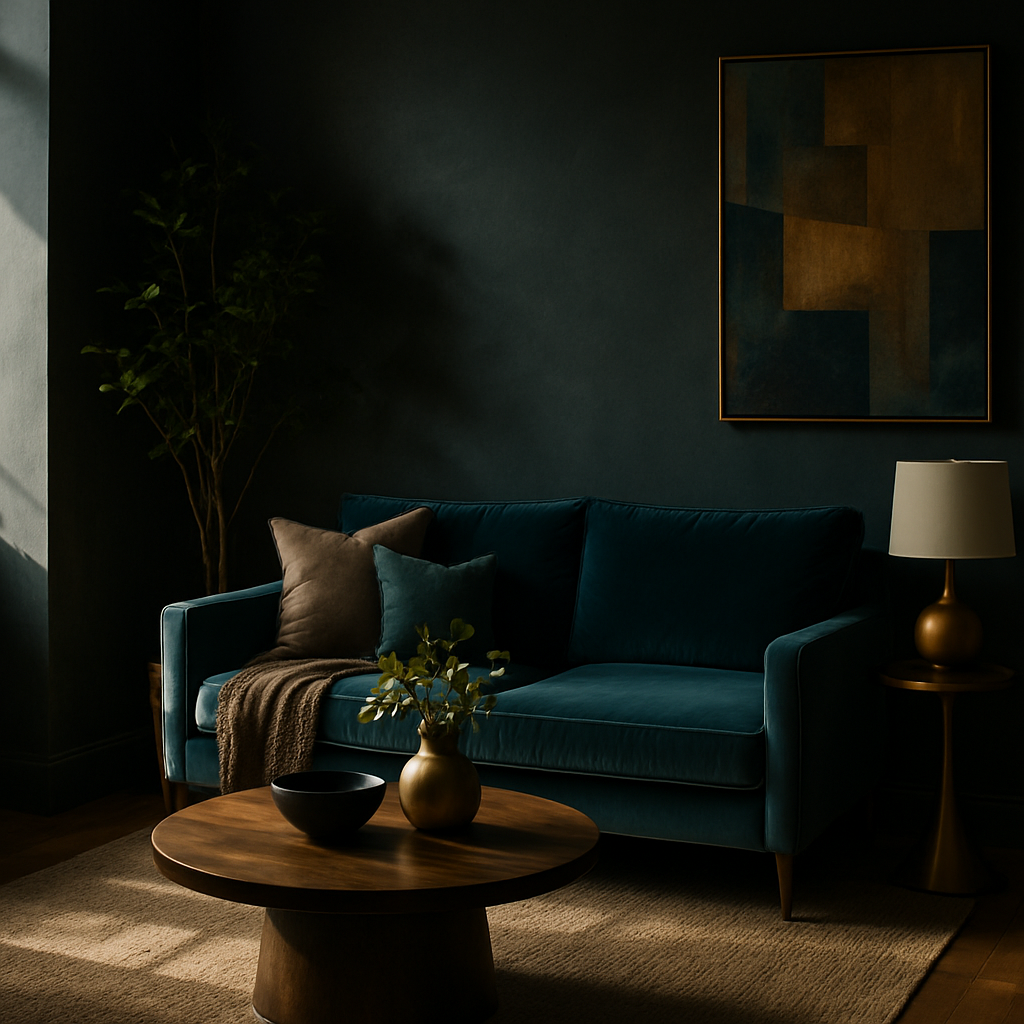
The way we think about our homes has fundamentally shifted over the past few years, and 2023 marks a turning point for residential interior design. According to a survey by the American Society of Interior Designers (ASID), 78% of homeowners now prioritize both aesthetics and functionality when redesigning their spaces. This dual focus has given rise to a fresh wave of design philosophies that blend comfort with visual impact. Whether you occupy a compact studio apartment or a sprawling suburban home, these ideas can reshape the way your rooms feel and function.
Professional interior designers typically charge between $150 and $500 per hour, while full-room redesigns can run from $5,000 to $15,000 depending on scope and materials. For homeowners working within a budget, knowing which trends deliver the highest visual return per dollar spent is essential. The ten ideas outlined below have been selected because they scale gracefully across different price points, room sizes, and personal tastes. Each one reflects a broader movement in the design world that shows no sign of fading after the calendar turns.
What would your ideal living room look like if money were no object? Holding that image in mind, read through the following sections and notice which ideas resonate most strongly with your vision. Often, even a single well-executed change can shift the entire character of a room.
Biophilic Design: Bringing the Outdoors Inside
Biophilic design centers on the human need for connection with nature, and it has moved from niche concept to mainstream practice remarkably fast. The International Interior Design Association (IIDA) reported that biophilic elements appeared in over 40% of award-winning residential projects last year. This approach goes well beyond placing a potted fern on a windowsill. It involves choosing materials, textures, and spatial layouts that echo the patterns found in forests, coastlines, and meadows.
Practical applications include living walls mounted in hallways, reclaimed wood accent panels behind headboards, and stone-clad fireplace surrounds that evoke natural rock formations. Water features, even small tabletop fountains, introduce ambient sound that reduces stress and masks urban noise. Large-format windows or skylights can flood a room with daylight, which studies from the National Council for Interior Design Qualification (NCIDQ) have linked to improved mood and productivity.
The cost of biophilic upgrades varies widely. A simple arrangement of air-purifying plants might cost under $200, while a professionally installed living wall can reach $3,000 or more. The key is to layer multiple natural elements so that the effect feels immersive rather than decorative. Start with one anchor piece, such as a driftwood coffee table, and build outward with complementary textures like linen upholstery, jute rugs, and ceramic planters in earth tones.
Quiet Luxury: Understated Elegance for Every Room
Quiet luxury has emerged as a direct counter to the maximalist trends of the previous decade. Rather than relying on bold logos, flashy metallics, or bright accent walls, this approach prioritizes premium materials and expert craftsmanship that speak for themselves. Think cashmere throws draped over a sculpted walnut chair, or a hand-troweled Venetian plaster wall in a soft, warm white. The result is a space that feels expensive without shouting about it.
Designers at AD PRO have noted that quiet luxury resonates especially well with homeowners who entertain frequently. Guests sense the quality of a space even when they cannot pinpoint what makes it feel special. Achieving this effect requires attention to details that most people overlook: the weight and drape of curtain fabric, the depth of cushion fill, the grain consistency of hardwood flooring. These subtle choices accumulate into an atmosphere of refined calm.
Budget-conscious homeowners can adopt quiet luxury principles by focusing on fewer, better pieces. Replace a set of mass-produced dining chairs with four well-made ones in solid oak. Swap polyester bedding for high-thread-count cotton or linen. Even repainting walls in a carefully selected warm neutral, applied with flawless technique, can elevate a room dramatically. The philosophy is restraint: every item earns its place through quality, not quantity.
Smart Home Integration: Technology That Disappears
Smart home technology has matured beyond novelty gadgets into genuine design infrastructure. Modern systems allow lighting, temperature, window treatments, and audio to be controlled from a single interface, creating seamless transitions between activities. A morning routine might gradually brighten lights to mimic sunrise while raising motorized blinds and starting a coffee maker, all triggered by a single voice command or scheduled automation.
The best smart home designs make technology invisible. Speakers embed into ceilings, sensors hide behind furniture, and control panels disguise themselves as picture frames. Houzz reports that 62% of homeowners who completed renovations in the past year incorporated at least one smart technology element. The most popular upgrades include smart thermostats, automated lighting systems, and motorized window shades, each of which delivers measurable energy savings alongside convenience.
How much daily time do you spend adjusting lights, thermostats, and blinds manually? For many families, the cumulative minutes add up to a surprising total. Investing in a centralized smart home hub, with professional installation typically running between $1,500 and $5,000, can reclaim that time while also reducing energy bills. The design challenge is ensuring that wiring, hubs, and devices remain hidden so the technology enhances the space rather than cluttering it.
Japandi Fusion: Where Minimalism Meets Warmth
Japandi fuses Japanese minimalism with Scandinavian hygge, producing spaces that feel simultaneously serene and inviting. The style emphasizes clean lines, natural materials, and a muted color palette grounded in whites, grays, warm beiges, and soft blacks. Unlike stark minimalism, Japandi interiors incorporate tactile warmth through woven textiles, handmade ceramics, and organic wood grains that invite touch.
A typical Japandi living room might feature a low-profile sofa in oatmeal linen, a round black walnut coffee table, and a single oversized ceramic vase holding dried pampas grass. The floor would be light-toned hardwood or bamboo, partially covered by a flat-weave wool rug in a complementary neutral. Wall art, if present, tends toward abstract ink work or simple botanical prints in thin black frames. The ASID has recognized Japandi as one of the most enduring cross-cultural design movements in the past twenty years.
Achieving Japandi on a budget starts with decluttering ruthlessly. The style depends on negative space, so removing excess furniture and accessories is actually the first and most impactful step. From there, introduce one or two statement pieces with visible craftsmanship, such as a hand-thrown pottery bowl or a bench made from a single slab of live-edge wood. Paint walls in a warm, slightly tinted white to soften the light and create a calm backdrop for the carefully curated items that remain.
Bold Color Blocking: Strategic Use of Saturated Hues
While quiet luxury favors neutrals, there is a parallel movement toward bold color blocking in specific zones within a home. This technique uses large areas of saturated color, often a single accent wall, a ceiling, or a built-in shelving unit, to create focal points that anchor a room. The approach draws from mid-century modern principles updated with contemporary paint technologies that deliver richer pigments and more durable finishes.
Color consultants affiliated with the IIDA recommend limiting bold color to no more than 30% of a room's visual surface area. This ratio prevents overwhelm while still delivering visual punch. Popular choices for 2023 include deep forest green in home offices, warm terracotta in dining rooms, and saturated navy in primary bedrooms. Each of these hues pairs well with natural wood tones and brass hardware, creating a sophisticated palette that avoids looking trendy or dated.
The psychological effects of color are well-documented. Blue tones promote calm and focus, making them ideal for workspaces and bedrooms. Green evokes growth and renewal, which suits living areas and kitchens. Warm tones like terracotta and ochre stimulate conversation and appetite, making them natural fits for dining and entertaining spaces. Before committing to a full wall, test large paint samples over several days and observe how the color shifts under morning, afternoon, and artificial light conditions.
Multifunctional Spaces: Designing for Flexibility
The rise of remote work has permanently altered how homeowners use their square footage. A spare bedroom that once served a single purpose now needs to function as a home office by day, a guest room by evening, and possibly a workout space on weekends. Designers responding to this shift have developed furniture systems, spatial dividers, and storage solutions that allow rooms to transform quickly and elegantly.
Murphy beds with integrated desk surfaces have seen a 45% increase in sales since 2020, according to Houzz market data. Modular shelving systems that can be reconfigured without tools allow walls to adapt as needs change. Sliding barn doors and curtain dividers create visual separation without the permanence of drywall. These solutions matter most in urban apartments where every square foot carries premium cost, but they are equally valuable in suburban homes where families have outgrown their original floor plans.
When planning a multifunctional room, start by listing every activity the space must support, then rank them by frequency. The primary function dictates the permanent furniture, while secondary functions layer in through convertible or stowable pieces. A well-designed multifunctional room should feel intentional in each configuration, not like a compromise. Professional designers experienced in small-space planning can often identify solutions that homeowners overlook, making the investment of $150 to $500 for a consultation session worthwhile.
Conclusion
The ten ideas explored above share a common thread: they each respond to genuine shifts in how people live, work, and recharge within their homes. From biophilic design that reconnects us with nature, to smart home systems that streamline daily routines, to Japandi aesthetics that prove simplicity and warmth can coexist, every trend reflects a deeper desire for spaces that support well-being alongside visual appeal.
You do not need to implement all ten ideas simultaneously. Choose one or two that align most closely with your current priorities and budget, then execute them thoroughly. A single room transformed with intention will have more impact than five rooms changed superficially. If the scope feels daunting, consider booking an initial consultation with a certified designer through the ASID referral network to identify which changes will deliver the greatest return for your specific home.
Take one step this week. Measure a room, collect material samples, or sketch a rough layout on paper. The gap between imagining a better space and actually living in one is smaller than most people assume, and the momentum from that first concrete action tends to carry forward naturally.



Comments
Post a Comment