Creating a Cozy Office: Mixing Comfort and Style in Interior Design
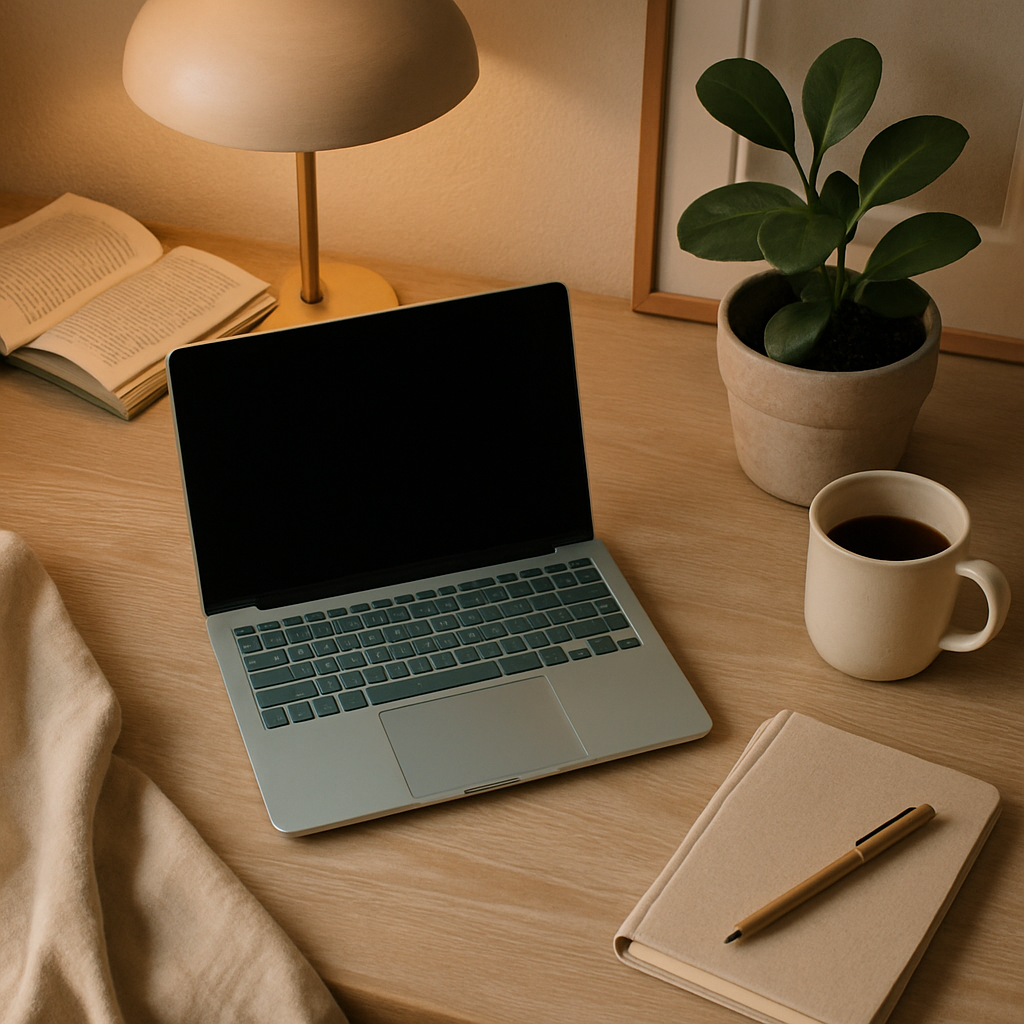
The home office has evolved from a temporary pandemic solution into a permanent feature of modern residential design. According to the American Society of Interior Designers (ASID), over 58% of homeowners now prioritize dedicated workspace design when renovating their homes. This shift has created an entirely new design challenge: how do you build a room that supports eight hours of focused productivity while still feeling warm, inviting, and distinctly yours? The answer lies in a careful balance between ergonomic function and aesthetic warmth, a discipline that top designers have been refining for years. Whether you work from home full-time or simply need a quiet corner for evening tasks, the principles of cozy office design can transform a sterile workspace into a room you genuinely look forward to entering each morning. The key is understanding that comfort and professionalism are not opposing forces but complementary elements that, when layered thoughtfully, produce spaces of remarkable quality.
Understanding the Ergonomic Foundation of a Cozy Office
Before selecting paint colors or throw pillows, every cozy office must begin with a solid ergonomic foundation. The International Interior Design Association (IIDA) emphasizes that physical comfort is the bedrock of any workspace that people actually want to use for extended periods. A desk at the wrong height or a chair without lumbar support will undermine even the most beautifully decorated room within a matter of weeks. Ergonomic furniture does not have to look clinical or institutional, and the best modern manufacturers now produce adjustable desks and supportive chairs in materials ranging from walnut veneer to boucle upholstery. Start by measuring your seated elbow height and selecting a desk surface that allows your forearms to rest at a natural ninety-degree angle.
Investing in a quality task chair remains the single most impactful decision you can make for your home office. A 2023 study published by the National Institute for Occupational Safety and Health found that workers who used ergonomically adjustable chairs reported 41% fewer musculoskeletal complaints over a twelve-month period. You do not need to spend thousands of dollars, but you should test chairs in person whenever possible and prioritize adjustable seat depth, armrest width, and recline tension. Have you considered how many hours you actually spend seated during a typical workday? Most people underestimate this number by two to three hours, which makes the chair selection even more consequential than it first appears.
Beyond the chair and desk, consider the placement of your monitor, keyboard, and lighting relative to your natural line of sight. The top edge of your screen should sit at or slightly below eye level, and the screen itself should be roughly an arm's length away. Task lighting should illuminate your work surface without creating glare on screens or casting harsh shadows across your face during video calls. When these functional elements are resolved first, the decorative layers you add afterward will enhance a space that already works rather than attempting to mask one that does not. A properly set up ergonomic workspace provides the invisible scaffolding on which visual coziness can rest.
Choosing a Color Palette That Promotes Focus and Warmth
Color psychology plays a measurable role in how productive and relaxed you feel in a given room. The NCIDQ-certified designers at leading firms consistently recommend muted, warm neutrals as the backbone of a cozy office palette. Think terracotta, warm taupe, soft sage, and creamy off-whites rather than stark cool grays or brilliant whites that can feel sterile under artificial light. These hues lower visual tension and create a sense of enclosure that is psychologically comforting without becoming dark or oppressive. The Japandi design movement, which blends Japanese minimalism with Scandinavian warmth, has popularized earthy tones combined with natural wood finishes for exactly this reason.
Accent colors should be introduced sparingly and with intention. A single accent wall in deep olive or dusty rose can anchor the room and give it personality without overwhelming the senses during long work sessions. Houzz trend reports for 2024 indicate that designers are moving away from high-contrast accent walls in favor of tonal layering, where the accent color differs from the main wall by only a few shades. This creates depth and dimension while maintaining the overall calm that a workspace demands. If bold color energizes you, consider confining it to accessories like a desk lamp, a piece of ceramic art, or the spine of a notebook holder that sits within your peripheral vision.
Do not overlook the color of your ceiling and trim, because these surfaces occupy a surprising amount of your visual field. Painting your ceiling the same warm white as your trim creates a cohesive envelope that makes the room feel larger and more unified. If your office has lower ceilings, a slightly lighter shade overhead can lift the perceived height by several inches. The goal is to construct a color environment that recedes into the background during focused work and wraps around you like a familiar blanket during quieter moments. When your palette supports both states, you have achieved the fundamental promise of cozy office design.
Layering Textures for Tactile Comfort
Texture is the secret ingredient that separates a cozy office from one that merely looks attractive in photographs. Smooth, hard surfaces reflect sound and light in ways that can make a room feel cold and echoey, while a variety of soft and rough textures absorb acoustic energy and create a sense of physical warmth. Interior designers certified through the NCIDQ examination are trained to balance hard and soft surfaces in every room, and this principle is especially important in offices where you spend prolonged periods in close proximity to your surroundings. Start with a substantial area rug beneath your desk and chair to anchor the workspace and dampen the sound of rolling casters on hard flooring.
Layer in additional textures through window treatments, upholstered seating, and decorative objects. Linen or cotton curtains filter light beautifully and add a gentle drape that softens the geometry of window frames. A reading chair in the corner, upholstered in velvet or a nubby woven fabric, provides an alternative work position and doubles as a visual focal point. Even your desk accessories contribute to the textural story: a leather desk pad, a wooden pencil cup, and a woven basket for filing create a tactile landscape that rewards the eye and the hand alike. What textures surround you right now, and how do they make you feel during your workday?
Biophilic design principles, championed by organizations like the IIDA, suggest that incorporating natural materials is one of the fastest ways to make any interior feel more comfortable and grounded. Cork bulletin boards, stone coasters, dried floral arrangements, and live potted plants all introduce organic textures that our brains associate with safety and calm. A 2022 survey conducted by Houzz found that 67% of homeowners who added living plants to their home offices reported a subjective increase in both mood and productivity. The combination of varied textures and natural elements transforms a flat, two-dimensional design scheme into a rich, immersive environment that supports well-being throughout the workday.
Smart Lighting Strategies for All-Day Comfort
Lighting is perhaps the most underestimated element in home office design, yet it directly affects your energy levels, eye strain, and circadian rhythm. The ideal cozy office features three distinct lighting layers: ambient, task, and accent. Ambient light provides overall illumination and should mimic the warmth and intensity of natural daylight as closely as possible. Smart bulbs that adjust color temperature throughout the day, shifting from cool white in the morning to warm amber in the evening, can replicate the natural light cycle and help regulate your sleep patterns even when you are working indoors for most of the day.
Task lighting, typically a desk lamp with an adjustable arm, should deliver focused illumination to your primary work surface without spilling light onto your screen. AD PRO, the trade arm of Architectural Digest, recommends lamps with a color rendering index above ninety for any surface where you read printed documents or evaluate color-sensitive materials. Position the lamp on the opposite side of your dominant hand to minimize shadow interference while writing or sketching. If your office includes a secondary seating area for reading or brainstorming, give it its own task light, such as a floor lamp with a directional shade, so you can maintain comfortable visibility without relying on the overhead fixture.
Accent lighting adds the emotional warmth that distinguishes a cozy office from a merely functional one. Wall sconces, LED strip lights tucked behind floating shelves, or a small table lamp on a bookcase create pools of soft light that draw the eye and add depth to the room after dark. Smart home integration makes it easy to program lighting scenes: a bright, cool "focus" mode for morning deep work, a softer "meeting" mode for video calls, and a warm, dim "wind down" mode for end-of-day administrative tasks. Designing these scenes in advance means you never have to think about your lighting once it is set up, and each transition gently cues your brain to shift gears along with the room itself.
Personal Touches That Tell Your Story
A cozy office must reflect the person who works in it, and this is where many design guides fall short by prescribing generic decor rather than encouraging genuine self-expression. The objects on your shelves, the art on your walls, and the books within arm's reach should remind you why you do the work you do. ASID research has shown that workers who personalize their office environments report higher levels of job satisfaction and creative thinking compared to those who work in standardized or minimally decorated spaces. Start by identifying three to five objects that hold genuine meaning for you, whether that is a framed photograph, a piece of pottery from your travels, or a vintage tool related to your craft.
Gallery walls and open shelving provide a framework for displaying personal collections without the room feeling cluttered or chaotic. The quiet luxury trend in interior design favors a curated approach: fewer objects, each carefully chosen and given enough breathing room to be appreciated on its own terms. A single oversized piece of art can anchor an entire wall and serve as a conversation starter during video calls, while a small rotating display on a shelf allows you to refresh your visual environment seasonally without committing to permanent decor changes. Think about which items bring you a genuine sense of calm or inspiration, and give those items the most prominent positions in the room.
Scent and sound are often overlooked dimensions of personalization that contribute powerfully to the feeling of coziness. A soy candle, an essential oil diffuser, or a small bowl of dried lavender near your desk can activate olfactory memories that put you at ease. Similarly, a small Bluetooth speaker playing ambient music or nature sounds can mask distracting household noise and create an auditory cocoon that signals "work mode" to your brain. These sensory layers operate below the level of conscious attention, but their cumulative effect is significant. When your office engages multiple senses in a coherent, pleasant way, it becomes a place that nourishes you rather than one that merely houses your laptop.
Budgeting and Phasing Your Cozy Office Transformation
Transforming a home office does not require a single large expenditure, and experienced interior designers often recommend a phased approach that spreads costs across several months. Professional design fees for a home office project typically range from $150 to $500 per hour depending on the designer's credentials and market, while a full room redesign budget of $5,000 to $15,000 per room is considered standard for mid-range residential projects according to ASID benchmarks. If that figure exceeds your current budget, prioritize the elements that have the greatest impact on daily comfort: the chair, the lighting, and the rug. These three purchases alone can shift the entire character of the room without requiring structural changes.
Phase two might include painting, window treatments, and a new desk or desk surface. Phase three can address the decorative layer: art, accessories, shelving, and plants. By spacing these investments across quarters, you give yourself time to live with each change and evaluate whether it genuinely improves your working experience before committing to the next round of spending. This iterative approach also prevents the common mistake of buying everything at once from the same store, which can result in a room that looks like a catalog page rather than a space that has been thoughtfully assembled over time. How much have you already invested in your home office, and is it serving you as well as it could?
Finally, consider the return on investment in terms that extend beyond monetary value. A cozy, well-designed home office can improve your focus, reduce your stress, and increase the number of productive hours you get out of each day. Even small upgrades, such as adding a desk plant, swapping a harsh overhead light for a warm table lamp, or placing a soft rug under your feet, can yield disproportionate improvements in how the space feels. The goal is not perfection on day one but steady, intentional progress toward a workspace that reflects both your professional ambitions and your personal comfort standards. Each change you make is an investment in your daily quality of life.
Integrating Technology Seamlessly Into Your Design
Modern home offices depend on technology, but visible cables, bulky power strips, and mismatched peripherals can undermine even the most carefully styled room. The solution is to integrate technology into your design rather than treating it as an afterthought. Cable management trays that mount beneath your desk, wireless charging pads built into the desk surface, and monitor arms that free up valuable real estate are all practical tools that also improve the visual cleanliness of your workspace. Smart home devices like voice-controlled assistants, automated blinds, and programmable thermostats add a layer of convenience that supports the seamless, frictionless experience a cozy office should provide.
AR and VR tools are increasingly accessible to homeowners who want to visualize design changes before committing to them. Several platforms now allow you to photograph your current room and digitally test new paint colors, furniture arrangements, and lighting fixtures in a realistic three-dimensional preview. This technology, once reserved for professional designers and their clients, has democratized the design process and reduced the risk of costly mistakes. If you are uncertain about a major purchase, spending a few minutes in an AR preview can give you the confidence to proceed or the clarity to pivot before the delivery truck arrives at your door.
When selecting technology for your office, prioritize devices that disappear into the environment rather than dominating it. A sleek, frameless monitor looks less intrusive than a bulky model with a thick bezel. A mechanical keyboard with a wooden case and quiet switches feels more in harmony with a warm, textured room than a plastic gaming keyboard with RGB lighting. Even your webcam and microphone can be chosen for their visual profile as well as their performance. The principle is simple: every object in your cozy office, whether functional or decorative, should contribute to the overall sense of intentional calm that makes the room a pleasure to occupy hour after hour.
Conclusion
Creating a cozy home office is an exercise in thoughtful layering, where ergonomic fundamentals, warm color palettes, varied textures, strategic lighting, and personal meaning combine to produce a space that is both productive and restorative. The principles outlined above are not theoretical; they are drawn from the published research and professional standards of organizations like ASID, IIDA, and the NCIDQ. By starting with the elements that affect your physical comfort and gradually adding the decorative and technological layers that reflect your personal style, you can build an office that sustains you through every kind of workday. The investment does not need to happen all at once, and the phased approach ensures that each decision is made with intention rather than impulse. Take one step this week, whether it is measuring your desk height, ordering a sample of that warm taupe paint, or simply clearing the clutter from your current workspace, and notice how even a single deliberate change shifts the way you feel when you sit down to work.


Comments
Post a Comment